
Blooming
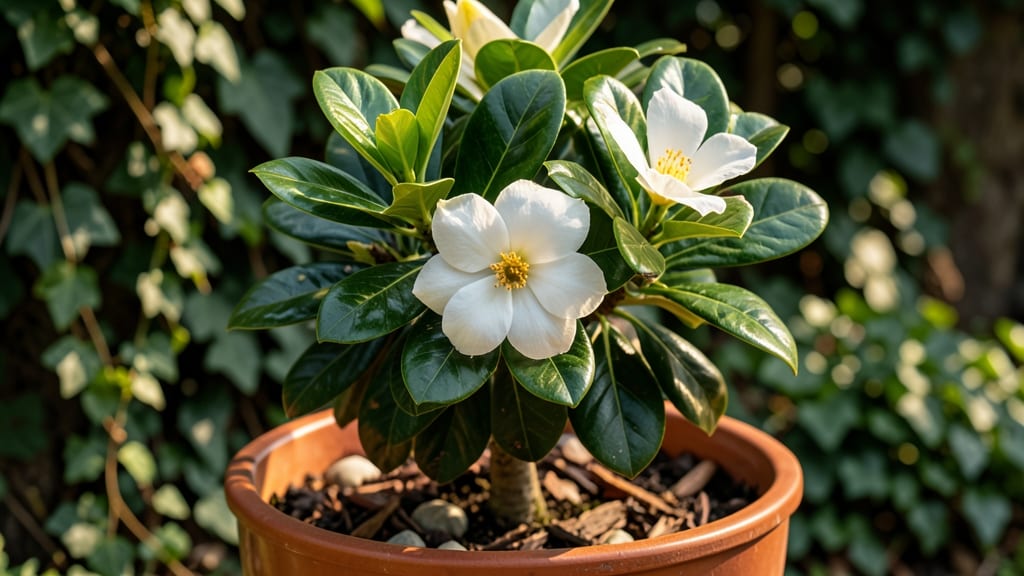
Gardenias bloom in Texas between late spring and early fall, but the exact timing depends on your hardiness zone and microclimate — from April in the Gulf Coast to June in the Hill Country.
If you’ve ever dreamed of filling your Texas garden with the intoxicating fragrance of gardenias, timing is everything — these delicate blooms thrive on precision, and their schedule varies wildly depending on your region.
In Zone 9 and 10, where winters are mild, gardenias often start blooming as early as March, while in Zone 8, cooler springs can delay them until May.
Heat waves and humidity also play a role — too much sun or drought can shorten the bloom period, while consistent moisture and afternoon shade can stretch it into October.
Below, I break down the month-by-month timeline for each Texas zone, plus pro tips to extend those fragrant blooms and troubleshoot common issues like missed flowers or early drop-off.
Gardenia bloom schedule in Texas: month-by-month timeline by hardiness Zone
Texas gardeners know that gardenia blooms don’t follow a one-size-fits-all calendar—they’re more like a moving target that shifts with hardiness zones and microclimates. In Zone 7 (North Texas), frost delays early blooms, while Zone 10 (South Texas) enjoys year-round warmth that extends flowering into fall.
Understanding these patterns helps you time pruning and fertilizing for maximum impact.
Gardenias typically bloom in late spring to summer, but Gulf Coast regions (like Houston) often see early blooms in March, while Hill Country gardeners might wait until May or June.
The key difference? Heat tolerance and humidity levels—gardenias in East Texas thrive with coastal humidity, while West Texas varieties need extra shade to survive summer scorching.
Here’s your zone-by-zone breakdown of when to expect gardenia blooms, including early, peak, and late-season windows. Use this as your guide to planting, pruning, and deadheading for continuous flowers.
In Zone 7, gardenias often start blooming in late April after the last frost, with a peak in June-July.
If you’re in Dallas or Fort Worth, aim to prune in early spring to encourage new growth before the heat arrives. Deadhead spent blooms in summer to redirect energy into fall flowers.
Gardeners in Zone 8 (Austin, San Antonio) enjoy earlier blooms in March, but summer heat can stress plants. Mulch heavily and provide afternoon shade to extend blooming into late August. Varieties like ‘Kleim’s Hardy’ thrive here with minimal fuss.
For Zone 9 (Houston, Beaumont), humidity works in your favor—blooms begin as early as March, and with proper care, you can coax flowers into September. These regions benefit from regular pruning to remove leggy growth and encourage bushier, more fragrant blooms.
If you live in Zone 10 (Brownsville, Corpus Christi), consider yourself lucky—gardenias can bloom year-round with minimal effort. Start seeing flowers as early as February, and enjoy fall blooms into November. Just watch for winter chills below 30°F, which can damage tender varieties.
Pro tip: Adjust your care routine based on your zone. In hotter zones (9-10), increase watering to daily in summer and use drip irrigation to keep foliage dry. In cooler zones (7-8), focus on spring feeding and fall mulching to protect roots.
No matter your zone, deadheading spent blooms is non-negotiable—it signals the plant to produce more flowers. And if your gardenias skip blooming? Check your fertilizer (they crave phosphorus-rich food) and ensure they’re getting 6+ hours of sun.
With these adjustments, you’ll have a fragrant garden oasis from spring to fall.
🌿
How Texas heat and humidity affect gardenia blooming seasons
Texas gardenias are famously finicky about blooming, and the state’s extreme climate variations play a huge role.
In East Texas, where humidity lingers year-round, gardenias often burst into bloom as early as April, while their West Texas cousins may not show signs of flowers until June or July. This regional divide happens because heat stress and drought conditions delay flowering in drier areas.
The Gulf Coast’s milder winters and prolonged humidity create ideal conditions for gardenias to wake up earlier. Meanwhile, Hill Country and Panhandle gardeners face harsher summers that force their plants into a survival mode, pushing back bloom times. Understanding these patterns helps you time pruning and fertilizing for maximum impact.
⚠️ WARNING: Common Mistake ⚠️ Gardenias in West Texas often fail to bloom because gardeners assume the same care works everywhere. Overwatering in dry climates or underwatering in humid zones both trigger stress that halts flowering. Soil pH below 6.0 or above 7.0 also starves plants of nutrients needed for blooms. Test your soil and adjust with sulfur (for alkaline) or lime (for acidic) before spring.
To extend bloom duration, focus on strategic pruning after the first flush of flowers fades. Cut back 1/3 of the plant’s height in late summer to encourage new growth that will flower next spring.
Pair this with morning watering—never let leaves stay wet overnight, as fungal diseases like powdery mildew thrive in Texas’ heat and humidity.
Shade cloth becomes a game-changer in areas like Austin or San Antonio, where afternoon sun can scorch blooms. Install 30-50% shade cloth over gardenias during peak summer months to protect flowers while still allowing light for photosynthesis. This simple trick can add 2-4 weeks to your bloom season.
If your gardenias skip blooming entirely, check for nutrient deficiencies. Gardenias crave phosphorus for flowers—apply a balanced 5-10-10 fertilizer in early spring and again after pruning. Organic options like bone meal work wonders too.
Pair this with regular mulching to retain moisture and cool roots during Texas’ brutal summers.
Remember: Patience is key—gardenias often take 2-3 years to establish before hitting their full blooming potential. With the right care, your East Texas gardenias might reward you with year-round fragrance, while West Texas varieties will still shine in their delayed but spectacular displays. 🌷