
Plants
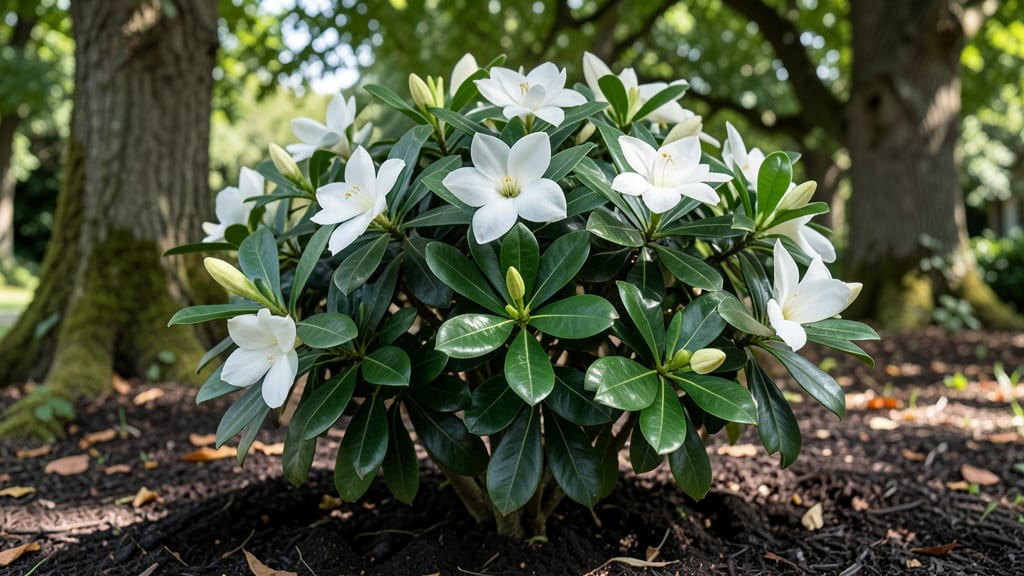
A gardenia plant blooms in late spring to early summer 🌸 — typically May through July in most regions, but the exact timing depends on your hardiness zone and care routine.
If you’ve ever wondered why your gardenia plant refuses to bloom—or when to expect those intoxicating white flowers—timing is everything. Understanding the exact months gardenias bloom, based on your hardiness zone and light exposure, can mean the difference between a thriving plant and a frustrating wait.
For gardeners in Zone 6a, where many grow gardenias as container plants, blooms often arrive in late May or June, while warmer climates like Florida may see flowers as early as April.
The key? Consistent moisture, partial shade, and the right acidic soil—all of which I’ll break down to help you predict (and encourage!) those fragrant blooms.
You’ll also discover how to troubleshoot delayed blooming, from adjusting sunlight to pruning like a pro, so you’re not left staring at lush leaves and zero flowers. Let’s get your gardenia on the right schedule!
Gardenia blooming seasons by US hardiness zones (exact months)
Gardenia plants are famous for their fragrant white blooms, but their blooming windows vary dramatically based on your USDA hardiness zone and local climate. Unlike many plants, gardenias thrive in humid subtropical zones, which means Zone 7-11 gardeners get the best results.
If you're in Zone 6 or colder, expect limited blooms or need to grow gardenias in containers for winter protection.
Understanding these blooming timelines helps you set expectations—whether you're planning a spring wedding bouquet or just love their sweet scent. In warmer zones like Florida or Southern California, gardenias may bloom year-round, while Zone 7-8 plants follow a spring-to-fall cycle.
Let’s break down the exact months for each zone, including early bloomers, peak seasons, and late-season surprises.
| USDA Zone | Early Blooms | Peak Blooms | Late Blooms | Notes |
|---|---|---|---|---|
| Zone 7 | Late April | May-June | July-August | Short season; protect from frost. |
| Zone 8 | Early April | May-July | August-September | Longer bloom window; prune after frost. |
| Zone 9 | February-March | April-June | September-October | Year-round potential in mild winters. |
| Zone 10 | January-February | March-May, Sept-Nov | December | Blooms nearly year-round; minimal dormancy. |
| Zone 11 | Year-round | Peak: Spring & Fall | Year-round | Tropical climate; no seasonal dormancy. |
In Zone 7, gardenias bloom late April through August, with a clear peak in May-June. This zone is the northern limit for reliable blooms, so protect your plants from early frosts—even a light freeze can damage buds.
If you’re in Atlanta or Raleigh, expect shorter bloom seasons unless you provide winter mulch or container protection.
Gardeners in Zone 8 (like Houston or San Diego) enjoy a longer bloom window, from April through September. The key here is pruning after frost risk passes (usually mid-March) to encourage new growth.
In humid climates like Florida (Zone 9-11), gardenias may bloom year-round, though they still prefer cooler seasons for peak production.
If your gardenia in Zone 10 or 11 isn’t blooming, check for nutrient deficiencies or overwatering. In tropical zones like Hawaii or Southern Florida, gardenias can produce multiple bloom cycles annually, but they still need 60%+ humidity and acidic soil (pH 5.0-6.5) to thrive.
Without these conditions, even warm climates may see sparse or no blooms.
Regional variations matter too—California gardenias (Zone 9-10) often bloom earlier in coastal areas due to milder winters, while Florida gardenias may have two peak seasons: spring and fall.
If you’re in a drier climate like Arizona (Zone 9b), supplement with daily misting to mimic humidity levels they’d get in
How light exposure and care trigger gardenia blooms (science-backed tips)
Your gardenia plant might be waiting for the perfect conditions to burst into fragrant blooms—and those conditions are often tied to light exposure and humidity levels. Gardenias thrive with 4-6 hours of sunlight daily, but too much direct sun can scorch their delicate leaves.
The key is finding that sweet spot where they get enough light to fuel blooming without stressing the plant.
Beyond sunlight, gardenias are tropical plants at heart, meaning they crave humidity levels above 60%. In dry climates or indoor settings, this can be the difference between a blooming bush and one that just sits there looking pretty but barren.
I’ve seen gardenias in low-humidity homes struggle to bloom until I introduced a pebble tray or humidifier nearby.
Now, let’s break down what triggers those creamy-white blooms and how to adjust your care if your gardenia isn’t cooperating. Here’s what science says about the ideal conditions—and what happens when you fall short.
Ideal vs. Poor Conditions for Gardenia Blooms
✅ Ideal Conditions
- Sunlight: 4-6 hours/day (morning sun)
- Humidity: 60%+ (use pebble trays or humidifiers)
- Soil pH: 5.0-6.5 (acidic, well-draining)
- Pruning: After blooming season (late summer)
- Watering: Deep soak, morning only
❌ Poor Conditions
- Sunlight: <7 hours/day or full afternoon sun
- Humidity: <50% (dry air stunts blooms)
- Soil pH: Alkaline (7.0+)
- Pruning: During bloom season (removes buds)
- Watering: Shallow or inconsistent
If your gardenia isn’t blooming, start by checking its light exposure. Too little light means weak growth, while too much can cause leaf burn.
I once had a gardenia in a west-facing window that developed brown patches—once I moved it to an east-facing spot, it bounced back within weeks and started budding.
Next, focus on humidity. A simple pebble tray filled with water and gravel beneath the pot can boost moisture levels instantly. For indoor gardenias, misting the leaves lightly in the morning also helps mimic their tropical habitat.
Pair this with regular pruning—always trim after blooming to encourage new growth for next season.
Finally, don’t overlook the soil. Gardenias hate alkaline conditions—test your soil’s pH and amend it with composted pine needles or sulfur if needed. A happy gardenia in the right environment will reward you with blooms from late spring to early fall, filling your garden with that signature intoxicating fragrance.