
Picking
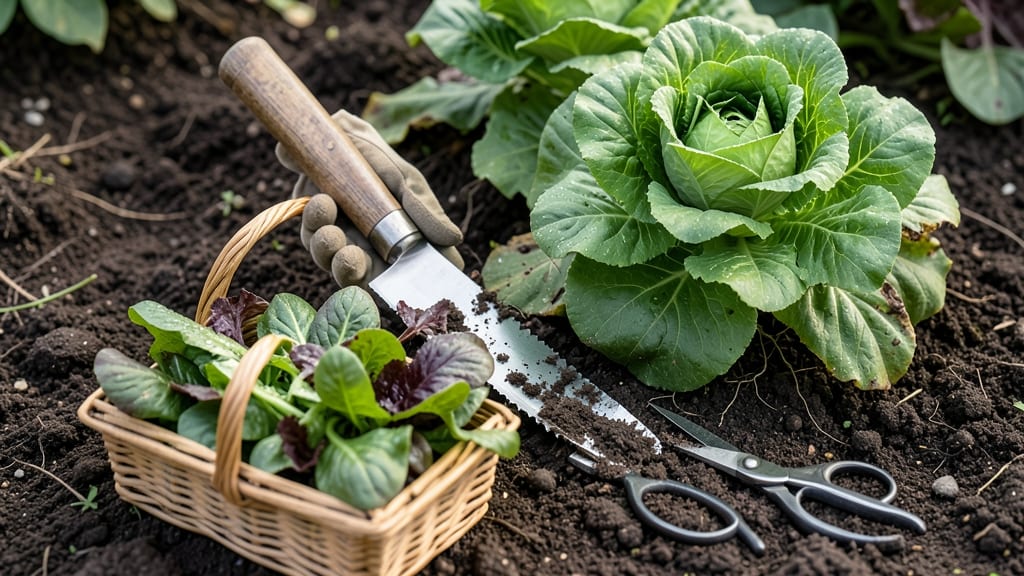
Garden lettuce is ready to pick when outer leaves reach 4-6 inches and feel crisp to the touch—this is the sweet spot for flavor and texture before bolting kicks in.
Picture this: you’ve nurtured your 🥬 for weeks, only to pull a leaf that’s bitter or wilted. That’s your cue that you waited too long. The key is acting fast—once leaves hit that ideal size, they’re primed for harvest, but not for long.
Morning is the best time to check, since lettuce stays cool and crisp overnight. Look for vibrant color and firmness; if the center is still tight, you’re golden. For cut-and-come-again varieties, snip just the outer leaves to keep the plant producing.
Below, I’ll break down the exact leaf-by-leaf method to extend your harvest, plus how to spot over-maturity before it ruins your salad. No more wasted effort—just perfect, continuous yields.
How to identify perfectly picked lettuce: leaf size, texture, and growth stage clues
Picking lettuce at the right moment transforms your garden into a crisp, flavorful salad bar instead of a bitter, bolted disappointment. The key lies in understanding leaf size, texture, and growth stage differences between varieties.
For example, romaine and butterhead lettuce mature differently than oakleaf varieties, and harvesting too early or late can ruin your harvest. Let's break down the exact visual and tactile clues to know when your lettuce is ready to pick.
Start by examining the outer leaves—these are your best indicators of maturity. For loose-leaf varieties, look for leaves that measure 4-6 inches long with a vibrant, consistent color. The edges should be slightly curled but not wilted, and the leaves should feel firm and crisp to the touch.
This is your cue that the plant has reached its ideal harvest window without sacrificing future growth.
For head lettuce varieties like iceberg or romaine, the heart of the lettuce should be forming tightly. The outer leaves should be fully unfurled and dark green, while the inner leaves should still be compact and pale green.
If the head feels dense and heavy for its size, it’s ready. Waiting too long risks the head loosening or the lettuce turning bitter.
Now, let’s compare the ideal harvest windows for popular varieties using these visual cues:
| Variety | Leaf Size | Texture | Color | Days to Harvest | Harvest Clue |
|---|---|---|---|---|---|
| Romaine | 6-8 inches tall | Crisp, firm | Deep green | 50-60 days | Tight head forms |
| Butterhead | 4-6 inches wide | Buttery, tender | Soft green | 45-55 days | Loose, rounded head |
| Oakleaf | 3-5 inches long | Crisp, slightly wrinkled | Dark green with red edges | 30-40 days | Leaves fully unfurled |
| Loose-leaf | 4-6 inches long | Crisp, firm | Varies by type | 28-40 days | Outer leaves mature first |
A simple taste test is the ultimate way to confirm readiness. Snip a single outer leaf and taste it—if it’s crisp and mild, your lettuce is perfect.
If it’s bitter or overly soft, wait a few more days or adjust your watering. Morning harvests are ideal because lettuce is most hydrated and crisp after a night’s rest, ensuring the best flavor and texture.
For cut-and-come-again varieties, like loose-leaf lettuce, you can harvest outer leaves first once they reach 2-3 inches. This encourages the plant to produce more leaves, extending your harvest by 3-4 weeks.
Always use a clean, sharp knife or scissors to avoid damaging the plant, and leave the inner leaves intact to keep the plant healthy.
Watch for signs of over-maturity, like yellowing leaves or a hollow stem, which indicate the lettuce is bolting. Bolting occurs when lettuce senses it’s time to flower, often triggered by heat stress or day length.
To delay bolting, provide afternoon shade during hot weather and keep the soil consistently moist. If you miss the window, don’t panic—some varieties, like arugula, taste better when slightly bitter!
Timing your harvest also depends on the season. In spring, lettuce grows quickly in cooler temperatures, while in fall, it may take longer to
Leaf-by-leaf harvesting: Step-by-Step guide to extending your lettuce supply
Mastering leaf-by-leaf harvesting transforms your lettuce patch from a one-time crop to a continuous salad source. The key is removing just the right amount of foliage while leaving enough energy for regrowth.
I’ve learned that timing and technique make all the difference—especially when avoiding the dreaded bolting that turns sweet leaves bitter.
Start by harvesting outer leaves first, which are fully mature while protecting the inner growth. This method works for loose-leaf varieties like romaine and oakleaf, but head lettuce requires a gentler touch.
The goal? Keep your plants productive without stressing them into flowering. Let me walk you through the exact steps I use to maximize yield.
- 🌱 Step 1: Wait for 4-6 inch leaves—harvest only when outer leaves reach this size for full flavor.
- 🌿 Step 2: Use clean scissors—cut leaves at the base, leaving a 1-inch stem to prevent damage.
- ✂️ Step 3: Remove 1/3 of foliage max—never take more than this to avoid shocking the plant.
- 💧 Step 4: Water deeply post-harvest—helps roots recover and supports regrowth.
- 🌡️ Step 5: Stop harvesting in heat—temperatures above 75°F trigger bolting.
For cut-and-come-again varieties, I harvest every 2-3 weeks during cool seasons. But watch for yellowing leaves—this signals over-harvesting. If you see this, pause for a week to let the plant recover.
My biggest mistake? Pulling too many leaves at once, which stunted regrowth completely. Now I stick to the 1/3 rule religiously.
Head lettuce needs a different approach: harvest the entire head when firm and compact. For continuous supply, sow successive crops every 2 weeks. I’ve found that shade cloth in summer prevents bolting, extending harvests by 3-4 weeks.
The trade-off? Slightly smaller heads, but worth it for that extra freshness.
Troubleshooting is half the battle. If your lettuce tastes bitter, it’s either too mature or stressed by heat. For loose-leaf types, I recommend harvesting in the morning when flavors are sweetest. And always rotate your harvests—never take from the same side repeatedly, or you’ll create uneven growth patterns.
With these techniques, I’ve turned a 30-day harvest window into a 6-week salad supply. The secret? Patience and precision. Your lettuce will reward you with crisp, sweet leaves all season long—no bolting in sight! 🥬