
Planting
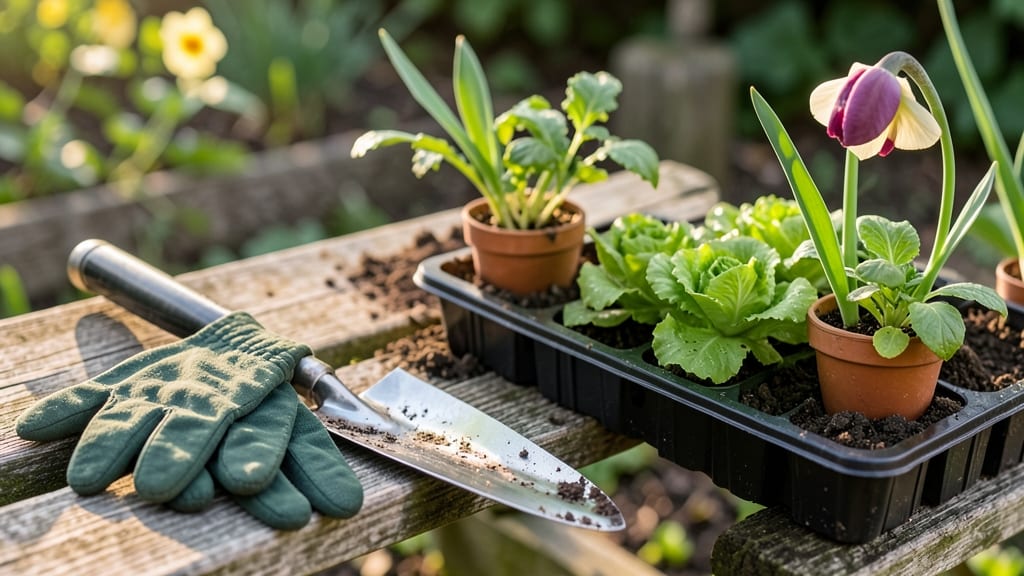
The best time to plant a garden in Ohio depends on soil warmth and frost-free windows—typically 4-6 weeks before your last spring frost for cool-season crops and 2-3 weeks after for warm-season varieties.
Ohio’s unpredictable spring weather can turn your gardening dreams into a gamble—unless you know the exact frost-free window and soil temperature thresholds for planting. Timing is everything when it comes to maximizing yields and avoiding frost damage, and Ohio’s diverse microclimates demand precision.
For USDA Zone 6a, where most of Ohio falls, cool-season crops like spinach and peas thrive when planted in early spring (March-April), while tomatoes and peppers need to wait until the soil warms to at least 60°F—usually late April or early May.
In this guide, I’ll break down Ohio’s frost-free dates by region, soil temperature rules, and a month-by-month planting calendar so you can plan for peak success—no more guessing, just growth.
Ohio’s frost-free dates by region: when to plant cool-season vs warm-season crops
Ohio’s gardening season hinges on understanding its frost-free dates, which vary dramatically from north to south. The average last frost date in northern Ohio (USDA Zone 5) can be as late as May 15, while southern Ohio (Zone 6) often sees frost-free conditions by April 15.
Central Ohio typically falls in between, around April 25. These differences mean your planting schedule must adapt to avoid frost damage or missed growing windows.
Cool-season crops like spinach, peas, and lettuce thrive in Ohio’s early spring and fall. For these, plant 4-6 weeks before your region’s last frost date to ensure they mature before summer heat sets in.
Warm-season crops such as tomatoes, peppers, and cucumbers need to wait until 2-3 weeks after the last frost, when soil temperatures consistently stay above 60°F. Getting this timing wrong can mean stunted plants or total crop failure.
To fine-tune your schedule, check your local weather station or use resources like the Ohio State University Extension, which provides historical frost data by county. Even within a single region, microclimates—like urban heat islands or sheltered valleys—can shift frost dates by 1-2 weeks.
For example, Columbus’s urban areas may warm up faster than rural areas in Franklin County.
Here’s how Ohio’s three main regions break down for cool-season vs warm-season planting, including key deadlines and crop examples:
| Region | USDA Zone | Avg. Last Frost | Cool-Season Planting Window | Warm-Season Planting Window | Example Crops |
|---|---|---|---|---|---|
| Northern Ohio | 5a/5b | May 10–15 | March 20–April 10 | May 25–June 1 | Spinach, Peas, Kale, Radishes |
| Central Ohio | 6a | April 20–25 | March 1–March 15 | May 10–15 | Lettuce, Broccoli, Tomatoes, Peppers |
| Southern Ohio | 6b/7a | April 5–10 | February 20–March 5 | April 25–May 5 | Cucumbers, Squash, Basil, Okra |
For northern Ohio, where frosts linger longer, focus on hardy cool-season crops like kale and radishes, which can tolerate light frosts. Start seeds indoors in late February to get a jump on the season.
In central Ohio, you’ll have a slightly longer window for both cool and warm crops, making it ideal for succession planting. For example, plant lettuce in early March, followed by tomatoes in mid-May, and then a second round of lettuce in late July for a fall harvest.
Southern Ohio gardeners enjoy the earliest frost-free dates, allowing for earlier warm-season plantings. This region is perfect for heat-loving crops like okra and sweet potatoes, which thrive in the longer growing season.
However, even here, a late frost in April can still pose a risk, so always have row covers or a greenhouse on hand for sensitive seedlings like peppers.
Pro tip: Use soil thermometers to confirm when soil reaches 50°F for cool-season crops or 60°F for warm-season crops. Cold soil can stunt germination, even if air temperatures seem warm.
For example, tomato seeds may rot if planted in soil below 60°F, while spinach will bolt if soil temperatures exceed 75°F.
Extend your growing season by planting fall crops like broccoli and carrots 8-10 weeks before your first frost date, which typically falls between October 10–20. In northern Ohio, this might mean planting in early September, while southern Ohio allows for late August starts.
Always check moon planting calendars or local agricultural almanacs for additional fine-tuning based on lunar cycles or historical weather patterns.
Remember, Ohio’s weather is unpredictable—even in the same region, years can vary by
Soil temperature rules for Ohio gardens: how to test and time planting for success
Ohio gardeners know that soil temperature is just as critical as frost dates when determining planting success. Unlike air temperature, soil warmth dictates when seeds germinate and transplants thrive. For Ohio’s USDA Zones 5-7, soil temps can vary by 10-15°F between north and south regions, making precision essential.
Most cool-season crops like peas and spinach can handle 40-50°F soil, while warm-season favorites like tomatoes and peppers demand 60-70°F to germinate. Testing soil warmth isn’t just guesswork—it’s science.
A soil thermometer ($10 at garden centers) or even a DIY potato test (bury a raw potato overnight and check for sprouts) can reveal when conditions are perfect.
🌱 Key Takeaway: Ohio’s average last frost (mid-April in most areas) doesn’t mean soil is ready. Wait until 50°F for seeds and 60°F for transplants—or risk stunted growth or rot.
| Crop Type | Ideal Soil Temp (°F) | Planting Window (Ohio) | Extension Tip |
|---|---|---|---|
| Cool-Season (Spinach, Lettuce, Peas) | 40-50°F | 4-6 weeks before last frost (Feb-March) | Use row covers for frost protection |
| Warm-Season (Tomatoes, Peppers, Cucumbers) | 60-70°F | 2-3 weeks after last frost (May-June) | Black plastic mulch warms soil faster |
| Root Crops (Carrots, Beets, Potatoes) | 50-60°F | As soon as soil is workable (March-April) | Plant in raised beds for faster warming |
| Herbs (Basil, Cilantro, Dill) | 55-65°F | After frost risk passes (late April-early May) | Start basil indoors for early harvest |
| Fall Crops (Kale, Radishes, Broccoli) | 45-55°F | 8-10 weeks before first frost (July-August) | Use cold frames for winter harvests |
For transplants (like tomato seedlings), wait until soil hits 60°F—cold soil shocks roots and delays growth. If your garden bed is slow to warm, try black plastic mulch or straw bales to raise soil temps by 5-10°F in just days.
I’ve seen gardeners in northern Ohio use this trick to plant tomatoes 2 weeks earlier than usual.
Don’t forget about fall planting! Ohio’s first frost (mid-October) signals the end for most warm-season crops, but cool-season crops like kale and spinach thrive when soil temps drop to 45-55°F.
Plant these in August-September for a winter harvest, and use row covers to extend the season until snow flies.
Pro tip: Check soil temps in the morning (before sun heats it) and afternoon (when it’s warmest). If temps fluctuate wildly, opt for slow-germinating seeds like beans or peas—they’re more forgiving than delicate seedlings.
Mastering soil temperature means fewer failed gardens and bigger harvests. Grab a thermometer, test your beds, and plant with confidence—your Ohio garden will thank you! 🌱🌿