
Planting
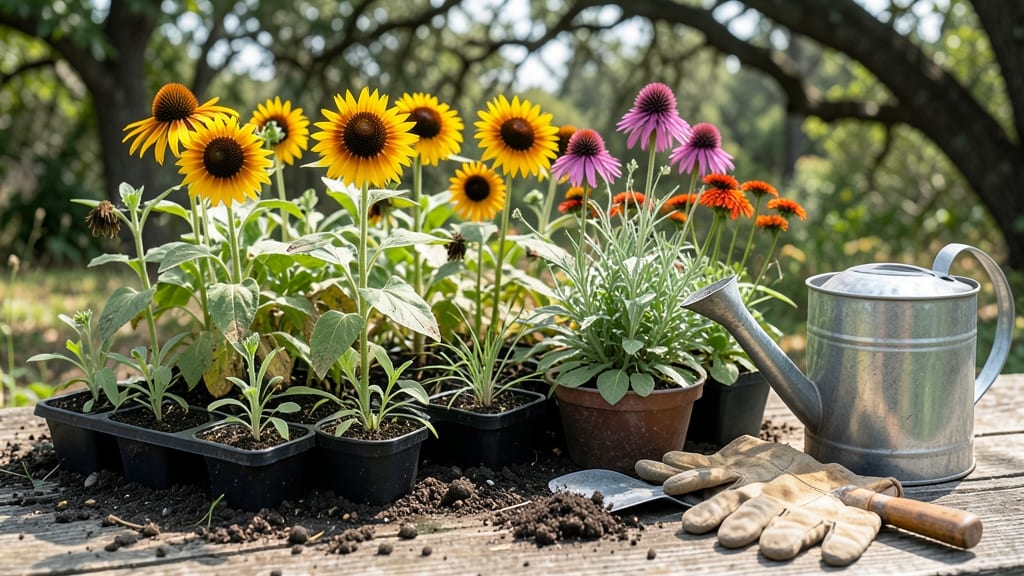
The best time to plant a garden in Tennessee is between mid-March and late May for spring crops, or August through September for fall planting, aligning with your USDA Zone 6a-7b frost dates.
Picture this: you’ve prepped the soil, ordered seeds, and even marked your rows—only to watch your seedlings wilt under a surprise frost or bolt in the heat. Tennessee’s diverse microclimates mean timing is everything, especially when humidity and soil warmth play such a big role.
From tomatoes and peppers that need warm soil to kale and spinach thriving in cooler temps, each plant has its own ideal window. Below, I’ll break down the exact dates for your zone, plus how to adjust for East Tennessee’s cooler springs or Middle Tennessee’s faster warming soil.
You’ll leave here with a customized planting schedule, frost-free day math, and the top mistakes to avoid—so your garden grows strong, not stressed.
Tennessee planting calendar by Zone: exact dates for vegetables, flowers, and herbs
Tennessee’s gardening season stretches from early March to late October, but the exact timing depends on whether you’re in Zone 6 (East Tennessee) or Zone 7 (Middle/West Tennessee).
In Zone 6, the last frost typically arrives March 15–April 1, while Zone 7 gardeners can start as early as February 28–March 15. Conversely, Zone 6’s first frost hits October 15–30, while Zone 7 holds off until November 1–15.
These differences mean your neighbor’s planting schedule might not work for you!
For cool-season crops like spinach and kale, aim for early spring (March–April) or late summer (August–September). Warm-season staples such as tomatoes and peppers need to wait until after soil warms to 60°F, usually mid-April to early May.
Perennials like lavender and asparagus have different rules—plant them in early spring (March–April) for established roots before summer heat arrives.
Here’s your zone-specific planting calendar, including frost dates, soil temperature requirements, and region-specific adjustments for East Tennessee’s cooler highlands versus Middle/West Tennessee’s warmer valleys.
| Month | Zone 6 (East TN) | Zone 7 (Middle/West TN) | Soil Temp (°F) | Best Plants |
|---|---|---|---|---|
| March | Peas, spinach, lettuce (after frost) | Peas, spinach, onions (Feb–March) | 40–50°F | Cool-season veggies, perennials |
| April | Broccoli, carrots, potatoes (after April 15) | Broccoli, carrots, tomatoes (after April 1) | 50–60°F | Warm-season starters, herbs |
| May | Tomatoes, peppers, cucumbers (after May 10) | Tomatoes, peppers, beans (after April 30) | 60–70°F | Heat-loving veggies, flowers |
| June–July | Succession plant beans, squash | Succession plant beans, melons | 70–80°F | Summer crops, herbs |
| August | Kale, radishes, fall flowers | Kale, radishes, broccoli (after Aug 15) | 55–65°F | Cool-season fall crops |
| September | Spinach, lettuce, garlic (before Oct 1) | Spinach, lettuce, garlic (before Oct 15) | 50–60°F | Late fall harvests, bulbs |
🌱 Note: Adjust
Tennessee’s geography creates wildly different growing conditions—from the cool mountain valleys of the Smoky Mountains to the hot urban heat islands of Nashville. Even within 50 miles, your last frost date can shift by 2-3 weeks, making your neighbor’s planting schedule irrelevant. For example, Chattanooga’s Zone 7b might be ready for tomatoes by April 15, while Bristol’s Zone 6a in the mountains waits until May 1. These microclimates force you to think beyond the calendar and focus on soil temperature, elevation, and urban heat effects. Don’t overlook clay-heavy soils common in West Tennessee, which stay 5-10°F colder longer than sandy loam. Meanwhile, urban gardens in Memphis or Knoxville can experience heat islands that push spring planting dates 10-14 days earlier than rural areas. Without adjustments, you risk bolting lettuce or stunted tomatoes—both classic Tennessee gardening nightmares. The key? Test soil warmth with a soil thermometer (aim for 60°F for tomatoes, 50°F for peas) and use row covers or cold frames to extend seasons by 3-4 weeks in cooler microclimates.
Cool Mountain Zones (6a): Planting warm-season crops (tomatoes, peppers) before May 15 risks frost damage—even if your neighbor in Nashville starts in April. Use black plastic mulch to warm soil 5-7°F faster.
Urban Heat Islands (7b): Starting cool-season crops (kale, spinach) after August 20 triggers bolting from summer heat. Opt for shade cloth or succession planting every 2 weeks for continuous harvests.
Clay Soil Areas: If your soil stays below 55°F past April 30, delay planting until a soil thermometer confirms warmth. Amend with compost to improve drainage and speed up warming.
For elevation adjustments, add 1 day of frost risk for every 100 feet above sea level. The Great Smoky Mountains (Zone 6a) may see frost until May 10, while Nashville’s (Zone 7a) last frost averages April 15. Use this rule: if your elevation is 1,500+ feet, wait 7-10 days longer than your local extension office’s frost date suggests. For example, Gatlinburg’s Zone 6a gardeners should hold off on cucumbers until May 22 instead of the May 12 date for Memphis. Urban gardeners face a different challenge: asphalt and concrete trap heat, creating microclimates that can be 5-10°F warmer than surrounding areas. This means spring planting can start 2 weeks earlier in cities like Nashville or Chattanooga. However, this also shortens the fall growing season—so prioritize fast-maturing varieties (e.g., ‘Early Girl’ tomatoes instead of ‘Brandywine’). Test your microclimate by planting radishes (fast-growing indicators) in March—if they thrive, you’re safe to expand to lettuce and spinach. Clay soils dominate West and Middle Tennessee, slowing soil warming and increasing disease risk from poor drainage. To compensate, use raised beds filled with a 50/50 mix of compost and native soil. This raises soil temperature by 3-5°F and improves drainage. For in-ground planting, apply black plastic mulch 2 weeks before planting to warm soil 10°F faster. In East Tennessee’s rocky soils, focus on amending with pine bark fines to improve aeration while retaining moisture. Extend your season with row covers or cold frames. A floating row cover can add 4-6°F of warmth, letting you plant cool-season crops like broccoli or carrots 3 weeks earlier in spring or 2 weeks later in fall. For warm-season staples, use a cold frame to harden off seedlings 10 days faster than outdoor hardening. In Zone 6a, this means you can transplant tomato starts by April 25 instead of waiting for May 10. Always monitor for heat stress—remove covers during 90°F+ days to prevent wilting. Finally, assess crop-specific risks. Peppers and eggplants need 70°F+ soil—planting them before May 1 in most of Tennessee risks rot or stunted growth. Spinach and kale, however, bolt at 75°F+, so avoid planting them after April 15 in Zone 7b. Use this risk matrix as a guide: High-risk crops (tomatoes, peppers) get priority timing adjustments, while low-risk crops (radishes, lettuce) offer more flexibility. When in doubt, start with a test plot of fast-growing crops to gauge your microclimate’s readiness.How to adjust planting times for Tennessee’s microclimates and soil types