
Planting
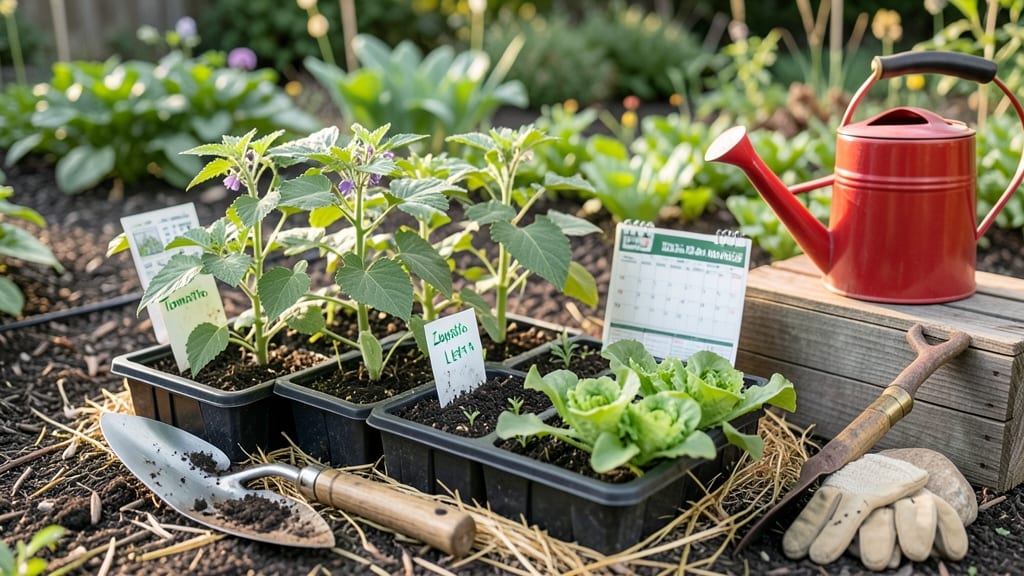
Planting a garden in Tennessee at the right time means the difference between a bountiful harvest and a sad pile of frost-nipped seedlings.
Tennessee’s mild winters and long growing season make it a gardener’s paradise—but planting too early or late can mean frost damage or stunted growth. Mastering the perfect timing for Zone 7A/7B ensures your 🌱 vegetables, flowers, and herbs thrive without risking Mother Nature’s unpredictable whims.
Most gardeners in Tennessee aim to start cool-season crops like lettuce and peas in early spring, just as the soil warms to 60°F. Warm-season favorites such as tomatoes and peppers, however, need to wait until after the last frost—usually mid-April in most regions—when the ground is reliably thawed.
Below, I’ll break down the exact planting windows for every type of crop, along with pro tips to adjust for Tennessee’s microclimates—so you can enjoy a garden that grows strong from seed to harvest.
Tennessee’s planting calendar: exact dates for cool-season vs. warm-season crops
Tennessee’s Zone 7A/7B climate offers a 220-day growing season, but timing is everything. Cool-season crops like broccoli and spinach thrive in early spring and fall, while warm-season favorites such as tomatoes and peppers need soil temperatures above 60°F to sprout.
Getting these dates wrong can mean wasted seeds or stunted plants.
Your last frost date typically falls between mid-April (mountains) and early May (valleys), with first frost arriving around mid-October. Nashville’s urban heat island can delay frost by 1-2 weeks, while higher elevations in Knoxville or Chattanooga may experience earlier frosts. Always check local Extension Service updates for precision.
Here’s your Tennessee planting calendar broken down by crop type, with soil temperature requirements and regional adjustments for Nashville, Knoxville, and Chattanooga:
| Crop Type | Planting Window | Soil Temp (°F) | Nashville Adjustment | Knoxville/Chattanooga |
|---|---|---|---|---|
| Cool-Season Veggies (Lettuce, Spinach, Broccoli) | Feb 15–March 31 Aug 15–Sept 15 |
40–50°F | Plant 1 week earlier | Wait until March 15 |
| Warm-Season Veggies (Tomatoes, Peppers, Cucumbers) | April 15–May 15 July 1–July 15 |
60–70°F | Use row covers for early starts | Wait until May 1 |
| Herbs (Basil, Cilantro, Dill) | March 1–April 15 July 15–Aug 15 |
50–60°F | Start indoors Feb 1 | Plant after May 15 |
| Flowers (Marigolds, Zinnias, Sunflowers) | April 1–May 31 July 1–Aug 15 |
55–65°F | Direct sow after April 15 | Wait until May 10 |
For cool-season crops, start seeds indoors 6–8 weeks before your last frost date. In Nashville, this means sowing lettuce or kale by February 1, while Knoxville gardeners should wait until February 15 due to cooler mountain air.
Use row covers to extend your window by 2–3 weeks if frost threatens.
Warm-season plants like tomatoes and peppers demand patience—soil must reach 60°F before planting. In Chattanooga’s higher elevations, this often means waiting until May 1, while Nashville’s urban heat can push starts to April 15. Always harden off seedlings for 7–10 days before transplanting to avoid shock.
Herbs like basil and cilantro have unique needs: basil hates cold and should only be planted after May 15, while cilantro bolts in heat and thrives in spring or fall. Dill, a biennial, can self-seed and often sprouts unpredictably—just let it grow wild in sunny corners.
Flowers follow similar rules: marigolds and zinnias are heat-tolerant and can handle July plantings, while pansies and snapdragons prefer
How to adjust planting times for Tennessee’s microclimates and frost risks
Tennessee’s varied elevations—from the Great Smoky Mountains to Nashville’s urban heat islands—create microclimates that shift planting windows by weeks or even months. High elevations like Gatlinburg (Zone 6) can experience frost two weeks later than Nashville (Zone 7B), while concrete jungles trap heat, delaying first frosts.
Understanding these nuances lets you extend your growing season safely.
Late spring frosts—common through mid-April—can devastate tender seedlings like tomatoes or peppers if planted too early. Meanwhile, urban areas like Memphis may see earlier harvests due to warmer microclimates. The key? Frost-tolerant varieties and protective tools like row covers or cold frames to push boundaries without risk.
⚠️ callout warning
Tennessee’s last spring frost ranges from March 15 (West TN) to April 15 (East TN mountains). Warm-season crops (tomatoes, peppers, squash) must wait until soil hits 60°F—use a soil thermometer to avoid frost damage. Urban areas like Nashville may be 2 weeks ahead of rural zones. Always check local frost forecasts (UT Extension provides updates).
For cool-season crops like kale or carrots, start seeds indoors 6-8 weeks before last frost or plant directly in early March in protected beds. In high-elevation areas, delay by 2-3 weeks—hardy varieties like ‘Winterbor’ kale tolerate 20°F and extend harvests into December.
Urban gardeners can leverage heat islands to plant warm-season crops 1-2 weeks earlier than rural areas. Use lightweight row covers (like Reemay) to shield seedlings from 32°F+ frosts and remove them once danger passes. Cold frames add 5-10°F protection, letting you start spinach or lettuce in February.
Pro tip: Succession planting every 2 weeks ensures a steady harvest. For example, sow bush beans in early May, then again in June—the second batch avoids late-summer pests while extending production. Pair this with frost-cloth for fall crops to harvest greens until Thanksgiving.
When in doubt, consult the UT Ag Extension’s frost maps or use frost-sensitive varieties like ‘Early Girl’ tomatoes (matures in 55 days) to beat frost risks. With these adjustments, Tennessee’s 200+ frost-free days become your garden’s superpower—not a limitation. 🌱