
Tools
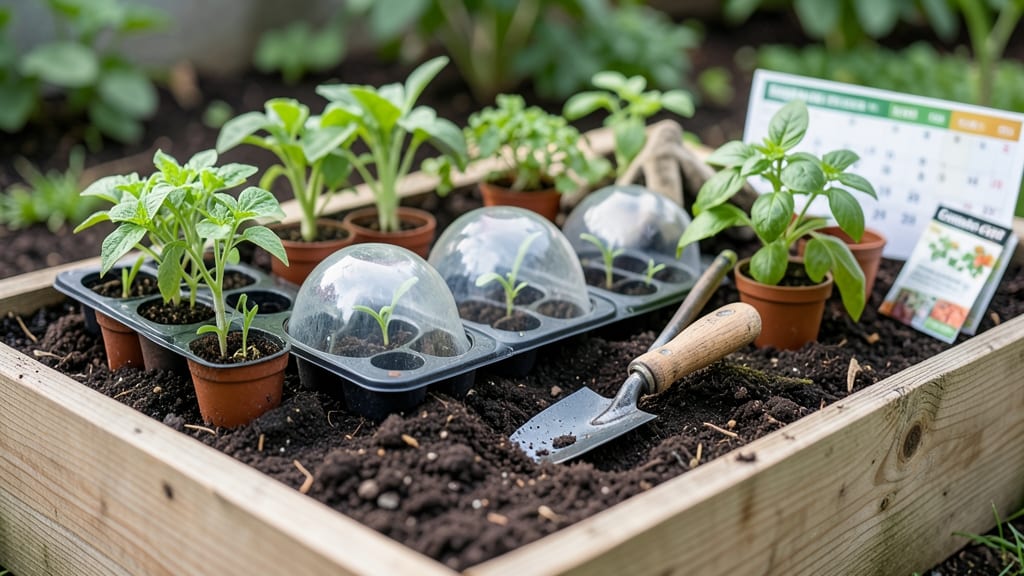
Starting your vegetable garden at the right time means the difference between a bountiful harvest and wasted effort—spring and fall are the two ideal windows, but timing them precisely depends on your hardiness zone.
Picture this: you’ve spent weeks preparing your soil, only to have a late frost wipe out your seedlings in a single night. That’s why knowing your last frost date is the key to success—whether you’re in Zone 3 or Zone 10.
In Zone 6, like many gardeners, you’ve got about 4-6 weeks before the last frost to plant cool-season crops like lettuce and peas. But for heat-lovers like tomatoes, you’ll want to wait until the soil warms up in late spring.
Below, I’ll break down how to pinpoint your exact planting window, which crops thrive in early vs. late starts, and how to stretch your growing season for even more harvests.
Zone-specific planting windows by last frost date (USDA hardiness zones 3-10)
Understanding your USDA hardiness zone is the first step to avoiding frost damage in your vegetable garden. Each zone has a distinct last frost date, which determines when you can safely plant cool-season crops like lettuce or warm-season crops like tomatoes without risking death from unexpected cold snaps.
For example, Zone 3 gardeners face later start dates than Zone 10, where frost is rare year-round.
Your planting window isn’t just about the calendar—it’s about soil temperature, daylight hours, and even microclimates in your yard. A south-facing bed warms up faster than a north-facing one, which can shift your zero-frost start date by weeks.
Let’s break down the ideal planting windows for each zone to help you plan with confidence.
| Zone | Avg Last Frost Date | Early Spring Planting Window | Late Spring Planting Window | Frost-Free Days |
|---|---|---|---|---|
| Zone 3 | May 15 | 4-6 weeks before May 15 | June 1 - July 15 | 90-120 days |
| Zone 4 | May 1 | 4-6 weeks before May 1 | May 15 - June 30 | 120-150 days |
| Zone 5 | April 15 | 4-6 weeks before April 15 | April 30 - June 15 | 150-180 days |
| Zone 6 | April 1 | 4-6 weeks before April 1 | March 15 - May 31 | 180-210 days |
| Zone 7 | March 15 | 4-6 weeks before March 15 | February 28 - May 15 | 210-240 days |
| Zone 8 | February 15 | 4-6 weeks before February 15 | January 31 - April 30 | 240-270 days |
| Zone 9 | January 1 | 4-6 weeks before January 1 | November 15 - March 3
How to calculate your local zero-frost start date (even without a zone map)Hardiness zones give you a general idea of when to plant, but your exact zero-frost date depends on local weather patterns—not just your zone number. Even if you’re in zone 6, your last frost date might be weeks earlier or later than your neighbor’s. Here’s how to pinpoint your personal planting window with precision. Start by checking historical frost data for your area. The National Oceanic and Atmospheric Administration (NOAA) provides free frost date records for most locations. Look for the average last frost date over the last 10 years—this gives you a reliable baseline. For example, if NOAA shows your last frost date is April 15, you’ll want to plant warm-season crops like tomatoes 4-6 weeks before that date. Next, use online frost calculators like the Plant Maps app or the Old Farmer’s Almanac. These tools factor in your specific latitude and elevation, which can shift frost dates by 1-2 weeks compared to zone averages. For instance, a valley might frost 5 days later than a hilltop just a mile away—microclimates matter! Here’s how to calculate your zero-frost start date step by step:
Step 1: Find Your Historical Frost Dates
Step 2: Adjust for Microclimates
Step 3: Use a Frost Calculator
Step 4: Calculate Your Planting Window
Step 5: Test with a Frost Watch
Once you’ve nailed down your zero-frost date, adjust for crop maturity. Fast growers like radishes (30 days) can handle a late start, while tomatoes (80+ days) need a longer frost-free window. For example, if your last frost is May 10, plant tomatoes by April 15 to ensure they mature before fall frost. Don’t forget to track your own data! Record your frost dates for 2-3 years to refine your timeline. Over time, you’ll spot patterns—like how El Niño years might delay your last frost by 10 days. This personalized approach beats relying solely on zone maps and ensures your vegetable garden thrives year after year. 🌱 |