
Planting
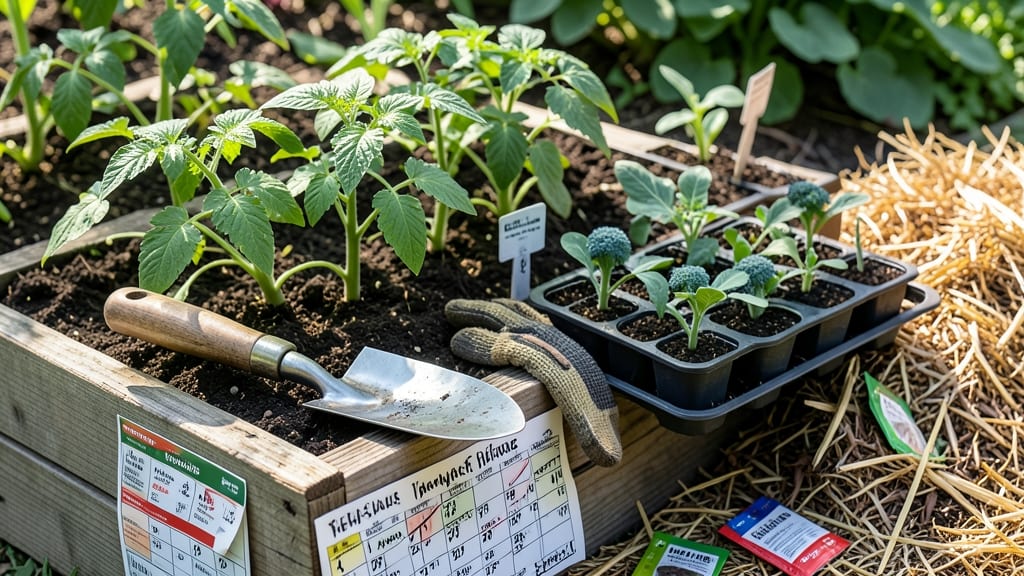
Planting your garden in Maryland at the right time means the difference between a bountiful harvest and a season of disappointment.
Maryland’s unpredictable spring weather can turn a gardener’s excitement into frustration—plant too early, and frost will strike; too late, and your harvest season shrinks. Timing your garden correctly means the difference between a thriving plot and wasted seeds.
With USDA Zones 7a-7b and 180 frost-free days, Maryland offers a short but sweet growing window. Cool-season crops like lettuce and peas can go in as early as late March, while tomatoes and peppers need to wait until after the average April 15 last frost.
In this guide, I’ll break down the best planting schedule for vegetables, flowers, and herbs—plus tips to extend your season and avoid common mistakes. Let’s get those 🌱 seeds in the ground at the perfect moment!
Maryland’s frost dates by region: when to start planting vegetables
Maryland’s last spring frost and first fall frost vary dramatically by region, making timing your garden a critical skill. In Zone 5b-7a, these dates can shift by weeks—especially between the Eastern Shore’s milder coastal climate and Western Maryland’s colder inland valleys.
Understanding these regional differences helps you avoid frost damage while maximizing your harvest window.
For cool-season crops like lettuce and peas, planting 4-6 weeks before your area’s last frost gives them time to mature before summer heat. Meanwhile, warm-season crops such as tomatoes and peppers need 2-3 weeks after the last frost to thrive.
Maryland’s average frost-free season spans about 180 days, but regional microclimates can stretch or shrink that window significantly.
Baltimore and the Mid-Atlantic region typically see their last frost around April 15, while the Eastern Shore enjoys a slightly earlier late March to early April window. Western Maryland, including Frederick and Hagerstown, often waits until mid-to-late April for safety. These variations mean your planting calendar should account for local conditions—not just statewide averages.
Here’s a breakdown of Maryland’s regional frost dates to help you schedule your garden like a pro:
| Region | Last Spring Frost | First Fall Frost | Frost-Free Days | Best Time to Plant Warm-Season Crops |
|---|---|---|---|---|
| Eastern Shore (Zone 7a) | Late March - Early April | Late October - Early November | 210-220 days | April 10 - April 25 |
| Baltimore & Central MD (Zone 7b) | Mid-to-Late April | Mid-to-Late October | 190-200 days | April 20 - May 5 |
| Western MD (Zone 5b-6a) | Late April - Early May | Early-to-Mid October | 160-170 days | May 1 - May 15 |
If you’re growing cool-season crops like kale or spinach, start seeds indoors 6-8 weeks before your region’s last frost.
For warm-season crops, wait until after the last frost to transplant seedlings—tomatoes and peppers are especially sensitive to cold. Succession planting every 2-3 weeks after your last frost ensures a steady harvest of beans, cucumbers, and zucchini throughout the summer.
For fall planting, focus on cool-hardy crops like broccoli and carrots. Sow seeds 8-10 weeks before your first frost to give them time to mature.
The Eastern Shore can often squeeze in a second planting of spinach or radishes as late as September 15, while Western Maryland should aim for early-to-mid August for best results.
Pro tip: Use row covers or cold frames to extend your growing season by 2-4 weeks in spring or fall. This is especially useful in Zone 5b areas, where the frost-free window is shorter.
For example, covering lettuce or peas with a lightweight fabric can protect them from late spring frosts and early fall chills, giving you a longer harvest.
Keep a gardening journal to track your local frost dates—Maryland’s climate can shift year to year. Over time, you’ll refine your planting schedule based on real-world data. Start with these regional guidelines, then adjust based on your microclimate and past experiences.
With the right timing, your Maryland garden can be as productive as it is beautiful!
🌱
Best planting schedule for Maryland’s most popular vegetables
Timing is everything in Maryland gardening, where last frost dates can vary by 2-3 weeks across regions. For tomatoes, peppers, and beans, wait until soil reaches 60°F+—typically late April to early May.
Meanwhile, lettuce and herbs like basil thrive when planted 4-6 weeks before your area’s last frost, often in March or early April. The key is balancing warmth-loving and cool-season crops to stretch your harvest from early summer to fall.
Maryland’s USDA Zones 5b-7a mean some areas can start planting earlier than others. For example, Western Maryland (Zone 6) might see tomato transplants in mid-April, while Eastern Shore (Zone 7) waits until late April.
Always check your local frost-free date—aim for 2-3 weeks after to avoid chilly soil stunting growth. Pro tip: Use row covers to extend your planting window for heat-lovers like peppers.
| Plant | Best Planting Time | Transplant vs. Direct Sow | Key Notes |
|---|---|---|---|
| Tomatoes | Late April–Early May | Transplant seedlings | Needs full sun; stake for support |
| Peppers | Late April–Mid-May | Transplant seedlings | Slow to germinate; keep soil 70°F+ |
| Lettuce | March–Early April or August | Direct sow or transplant | Bolts in heat; use shade cloth in summer |
| Beans | Late April–June | Direct sow only | Tolerates poor soil; plant after frost |
| Basil | Late April–May | Transplant seedlings | Hates frost; harvest leaves early |
For tomatoes and peppers, start seeds indoors 6-8 weeks before your last frost date. Maryland’s short growing season means early starts are critical—seedlings need 100+ days to mature.
If you miss the window, opt for fast-maturing varieties like 'Early Girl' tomatoes (65 days) or 'Jalapeño' peppers (70 days). Succession planting every 2 weeks ensures a continuous harvest, especially for lettuce and beans.
Cool-season crops like lettuce and spinach can handle light frosts and even thrive in fall plantings (August–September). These crops prefer 50–65°F soil, so avoid planting when temps exceed 80°F—they’ll bolt quickly.
For herbs, basil and cilantro are your best bets in spring, while parsley and chives are more frost-tolerant for fall. Mulch heavily to protect roots from temperature swings.
Avoid these common Maryland mistakes: planting tomatoes too early (they’ll rot in cold soil), ignoring soil warmth for peppers, or skipping succession planting for beans. Always harden off transplants for 7–10 days before setting them out.
And remember—Maryland’s humidity can lead to disease in crowded plants, so space tomatoes 18–24 inches apart and peppers 12–18 inches apart.
To maximize your harvest, pair fast growers (radishes, lettuce) with slow growers (tomatoes, peppers). For example, sow radishes in early spring, then replace them with tomato seedlings once the radishes are harvested.
This intercropping trick keeps your garden productive all season. And don’t forget—fall planting (August–September) gives you a second chance for cool-season crops like kale and carrots before winter sets in.