Planting
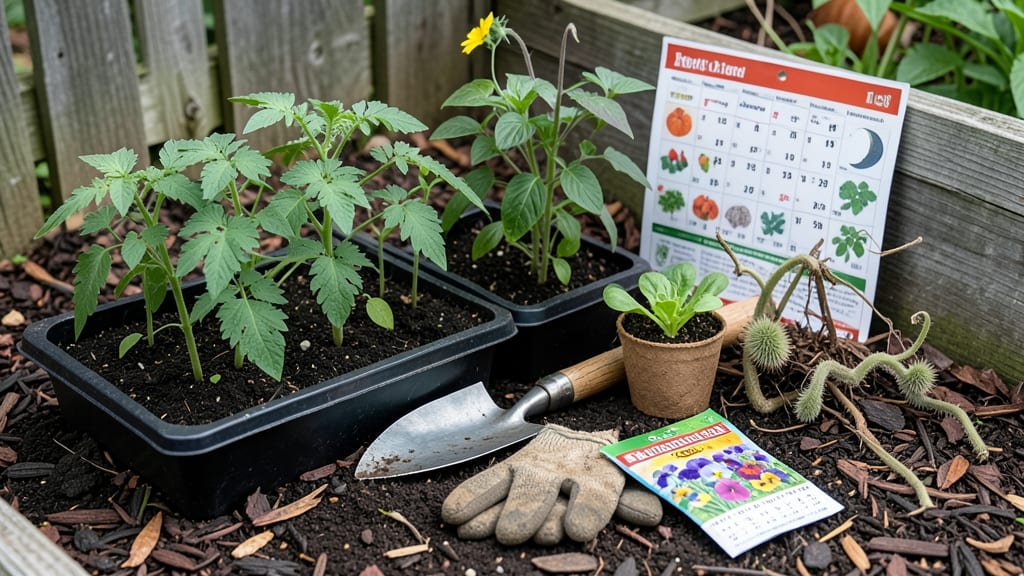
Planting your garden in Tennessee at the right time means the difference between a thriving harvest and wasted effort—especially in Zone 6B, where frost can strike late and heat arrives early.
Picture this: you’ve spent weeks preparing your soil, only to watch seedlings wither under an unexpected frost or bolt into flower because the days grew too long too fast.
Tennessee’s mild winters and hot summers create a gardener’s paradise—but planting at the wrong time can mean the difference between a bountiful harvest and wasted seeds.
Most gardeners in Tennessee’s 6a-7b zones swear by mid-March to mid-April for spring planting and mid-August to mid-September for fall crops, but the exact timing depends on your region—whether you’re in Nashville’s urban heat island or the cooler highlands near the Smokies.
Below, I break down the precise planting windows for your favorite vegetables, herbs, and flowers, plus how to adjust for frost risks, soil temperature, and microclimates so you can grow confidently all season long.
Tennessee Zone 6B planting calendar: exact dates for vegetables, herbs, and flowers
Tennessee’s Zone 6B climate offers a 180-220 frost-free days, perfect for growing everything from tomatoes to strawberries. But timing is everything—plant too early, and frost will kill your seedlings; too late, and you’ll miss peak harvests.
Nashville, Chattanooga, and Knoxville each have slight variations, but these exact planting windows apply across most of the state.
For cool-season crops like spinach and broccoli, start seeds indoors 6-8 weeks before your last frost date (typically mid-March for most areas). Warm-season favorites like tomatoes and peppers need to wait until soil temperatures reach 60°F, usually mid-April to early May.
Fall planting is just as critical—cool-season crops thrive when sown 6-8 weeks before your first frost (around mid-August to early September). Perennials like asparagus and strawberries should be planted in early spring or early fall for best establishment.
Here’s your month-by-month planting guide, tailored for Tennessee’s Zone 6B:
| Month | Cool-Season Crops | Warm-Season Crops | Herbs & Flowers | Perennials |
|---|---|---|---|---|
| February | Start onions, spinach indoors | — | Plant perennial herbs (oregano, thyme) | Divide asparagus crowns |
| March | Direct sow lettuce, kale, peas | — | Plant pansies, calendula | Plant strawberries, rhubarb |
| April | Transplant broccoli, cabbage | Start tomatoes, peppers indoors | Sow basil, cilantro | Plant asparagus crowns |
| May | — | Direct sow beans, corn, squash | Plant marigolds, nasturtiums | — |
| June | — | Transplant tomatoes, peppers | Sow dill, parsley | — |
| July | — | Sow okra, sweet potatoes
How to adjust planting times for Tennessee’s microclimates and last frost risksTennessee’s diverse geography—from the Great Smoky Mountains to Memphis heat islands—means frost dates vary by 10-14 days across regions. A high-altitude garden in Sevierville might face frost until May 1, while urban Nashville typically warms up by April 15. Adjusting your planting schedule based on these microclimates prevents frost damage and extends your growing season. Start by checking your local frost-free dates from the UT Extension Service or NOAA climate maps. For example, cool-season crops like kale or peas should go in 4-6 weeks before your last frost, while warm-season crops like tomatoes need soil at 60°F+. Use these dates as a baseline, then tweak for your specific location. ⚠️ callout-warning ⚠️
⚠️ Common Mistake: Planting Too Early
Even if your neighbor in Memphis plants tomatoes by March 15, a high-elevation garden in Gatlinburg risks frost damage. Always wait until soil warms to 60°F for warm-season crops—use a soil thermometer to confirm. 💡 Pro Tip: Seed packets list "days to maturity"—count backward from your first frost date to avoid late-season losses. Extend your season with seasonal extensions like row covers or cold frames. A floating row cover can push spring planting back by 2-3 weeks, while a low tunnel adds 4-6 weeks to your fall harvest. For urban heat islands, opt for shade cloth in summer to protect heat-sensitive crops like lettuce. In high-altitude areas, prioritize fast-maturing varieties (e.g., bush beans or radishes) to beat frost. Shift planting dates 2-4 weeks later than lowland gardens. For example, if Memphis plants cucumbers on April 1, wait until April 15 in the Smokies. Monitor weekly frost forecasts from AccuWeather or your local ag extension. If a late frost is predicted, cover tender plants with lightweight fabric or burlap sacks. Avoid plastic sheets, which trap too much heat and can scorch leaves. Test your soil’s warmth with a soil thermometer—warm-season crops like peppers and eggplants need 70°F+ soil. If your garden is slow to warm, opt for container gardening near your house, where heat from walls speeds up soil temperature. |