Planting
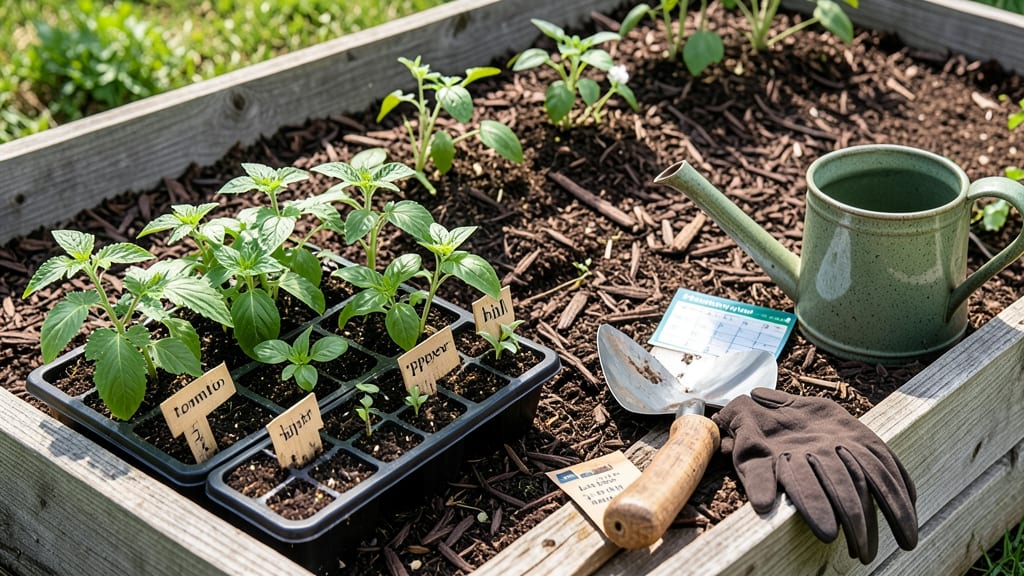
Planting your garden in Tennessee at the right time means the difference between a bountiful harvest and wasted seeds—especially in USDA Zone 7a, where last frost dates can shift by weeks between Nashville and Chattanooga.
Tennessee’s mild winters and hot summers create a gardener’s paradise—but planting at the wrong time can mean wasted seeds and missed harvests. Whether you’re sowing cool-season greens in spring or warm-season tomatoes in fall, timing is everything.
Most General Garden Plants 🌱 thrive when planted after the March 15 average last frost date, but regional microclimates (like East Tennessee’s shorter growing season) demand adjustments. A missed window can leave you with leggy seedlings or stunted yields.
Below, I break down the exact planting windows for Tennessee’s most popular crops, how to prep soil for clay-heavy areas, and the one trick that adds 3 extra weeks to your harvest season—no matter where you garden in the state.
Tennessee USDA Zone 7a planting calendar: exact dates by vegetable type
Tennessee’s USDA Zone 7a offers a 190-day frost-free season, perfect for growing everything from cool-season greens to heat-loving tomatoes. But timing is everything—plant too early and frost will kill your seedlings, too late and summer’s heat will stress your crops.
Here’s my exact planting schedule based on Nashville, Chattanooga, and Knoxville averages, with adjustments for cool vs. warm-season crops.
For cool-season crops like spinach and broccoli, I start seeds indoors 8-10 weeks before the last frost (around February 15) and transplant outdoors by March 15. Warm-season favorites like tomatoes and squash wait until April 15, after soil warms to 60°F.
Perennial herbs like basil and rosemary can go in as early as March 20 if you’re patient with slow starts.
| Plant Type | Planting Window | Sun Needs | Harvest Time | Notes |
|---|---|---|---|---|
| Cool-Season Crops | Feb 15 (indoors) / Mar 15 (outdoors) | Partial Sun | April–June, Sept–Oct | Spinach, broccoli, kale |
| Warm-Season Crops | Apr 15 (after last frost) | Full Sun | June–Sept | Tomatoes, peppers, squash |
| Perennial Herbs | Mar 20–Apr 15 | Full Sun to Partial Shade | Year-round (harvest as needed) | Basil, rosemary, thyme |
| Fall Planting | Aug 1–Sept 15 | Varies | Sept–Nov | Kale, carrots, lettuce |
In Nashville and Knoxville, the average last frost date is March 15, but Chattanooga’s higher elevation can delay it by 3–5 days. To play it safe, I use row covers for early cool-season plants if temperatures dip below 32°F.
For warm-season crops, wait until soil reaches 60°F—a soil thermometer is my best friend here!
My tomatoes and peppers get a head start in late April under grow lights or in a greenhouse, then transplant after May 1 when nights stay above 50°F.
Squash and beans, which are heat-tolerant, can go in as early as April 20 if you’re lucky with warm spells. For fall harvests, I sow cool-season crops like kale and carrots by August 1 to beat the first frost in early November.
Don’t forget perennial herbs like rosemary and thyme, which thrive in Tennessee’s mild winters. I plant them in early spring (March 20) or late summer (August 15) to establish roots before dormancy. Basil, however, is a warm-season annual—I wait until after May 1 to avoid frost damage.
Pro tip: Use Tennessee State University Extension’s frost maps to track local variations. In East Tennessee, cooler microclimates may need 2–3 weeks later for warm-season crops, while West Tennessee’s longer growing season lets you push fall planting into early September.
Always check soil temperature—it’s more critical than air temperature for seed germination.
For container gardening, warm-season crops like peppers and eggplants can start 2 weeks earlier in pots, as they warm up faster. Just move containers to protected spots if nighttime temps drop below 55°F. And remember: succession planting every 2–3 weeks ensures a continuous harvest of
How to adjust planting times for Tennessee’s microclimates and soil conditions
Tennessee’s varied microclimates—from the Appalachian foothills to the Mississippi Delta—mean frost dates and soil conditions can shift dramatically even within a single county. In elevated areas like East Tennessee, frost lingers until April 15, while West Tennessee often warms up by March 20.
These differences force gardeners to adapt planting schedules or risk stunted growth or frost damage.
Beyond elevation, Tennessee’s clay-heavy soils in the western regions and sandy loams in the east demand different prep work. For example, raised beds in clay soil improve drainage, while mulching in sandy areas retains moisture.
Ignoring these soil-specific needs can lead to poor germination or nutrient deficiencies, even with perfect timing.
- 1. East TN (USDA 6a-7a): Wait until April 15 for warm-season crops like tomatoes and peppers—frost risk lingers longer due to higher elevation.
- 2. Middle TN (USDA 7a-7b): Plant cool-season crops like spinach by February 20; warm-season crops after April 1 for Nashville/Knoxville.
- 3. West TN (USDA 7b-8a): Start warm-season crops by March 20—soil warms faster in lower elevations, but monitor for late frosts until March 31.
- 4. River Valleys (e.g., Memphis): Use row covers for early broccoli or cabbage planted in January—warmer microclimates allow earlier starts.
- 5. Soil Prep: Amend clay soil with compost and sand; for sandy soil, add peat moss to retain moisture. Test pH—aim for 6.0-7.0 for most vegetables.
- 6. Heatwave Prep: Use shade cloth for leafy greens in summer (temps > 90°F) or opt for heat-tolerant varieties like Malabar spinach.
To extend your growing season, I’ve found row covers and cold frames are game-changers. For example, covering lettuce or kale with lightweight fabric can push harvests into late October or even November in West Tennessee.
In contrast, raised beds warm up faster in spring, letting you plant cucumbers or beans 2-3 weeks earlier than in-ground soil.
Tennessee’s unpredictable spring rains can also disrupt planting. If downpours delay soil warming, switch to container gardening for heat-loving crops like peppers or eggplants. Containers heat up faster and give you control over moisture. For in-ground planting, use drip irrigation to avoid compacting soil during wet spells.
Summer heatwaves are another challenge, especially for cool-season crops planted too late. If you miss the fall planting window for carrots or radishes, try succession planting every 2 weeks until July 15. For heat-sensitive plants, prioritize shade-tolerant varieties like ‘Heatmaster’ tomatoes or ‘Black Seeded Simpson’ lettuce.
Finally, don’t overlook perennial herbs like rosemary or thyme, which thrive in Tennessee’s climate with minimal fuss. Plant them in well-draining soil in early spring or fall, and they’ll reward you with year-round harvests—even through winter in sheltered microclimates. 🌿