
Planting
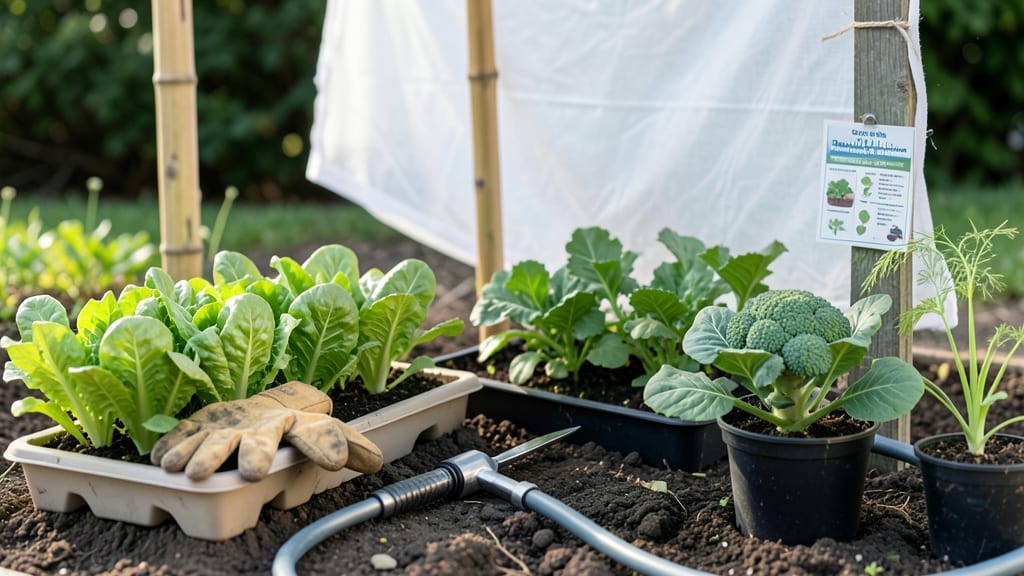
You should plant a garden in Ohio after your last frost date—typically mid-April to mid-May—when soil warms and 🌱 General Garden Plants can thrive without risk of frost damage.
Ohio’s unpredictable spring weather can turn your gardening dreams into frost-bitten disappointments—but timing your plantings right ensures a thriving harvest. Learn the exact zero-frost windows and plant-by-date checklist to maximize your garden’s potential before summer heat sets in.
Whether you’re sowing cool-season greens like spinach or waiting for the soil to reach 60°F before transplanting tomatoes, knowing your local frost dates is the key to success. Southern Ohio’s milder climate may allow earlier planting, while northern regions like Cleveland need to wait a little longer.
Here’s your step-by-step guide to planting in Ohio’s spring, including when to start seeds indoors, when to direct-sow, and how to protect tender plants from late frosts—so you can enjoy a bountiful harvest from June through October.
Ohio’s frost-free planting zones: key dates by region (2024 guide)
Ohio’s USDA Hardiness Zones 5b-6a mean gardeners here must work with a tight window between late frosts in spring and early frosts in fall. Knowing your exact last frost date separates successful harvests from sad, frost-nipped seedlings.
I’ve broken down the average frost dates for Ohio’s four major regions—Columbus, Cincinnati, Cleveland, and Toledo—so you can plan your cool-season and warm-season crops with confidence.
Southern Ohio (like Cincinnati and Columbus) tends to warm up 1-2 weeks earlier than northern areas (Cleveland and Toledo). This means tomatoes and peppers can hit the ground in early May in the south, while northern gardeners should wait until mid-May.
Even within these zones, microclimates matter: A low-lying area might frost 3-5 days later than a hilltop. Always check your local Ohio State University Extension updates for real-time adjustments.
| Region | USDA Zone | Avg. Last Frost | Avg. First Frost | Cool-Season Window | Warm-Season Window |
|---|---|---|---|---|---|
| Columbus | 6a | April 15 | October 20 | March 15–April 15 | May 1–June 1 |
| Cincinnati | 6a | April 10 | October 15 | March 10–April 10 | April 25–May 15 |
| Cleveland | 5b | May 5 | October 5 | April 1–May 1 | May 15–June 1 |
| Toledo | 5b | May 1 | October 10 | April 1–April 20 | May 10–May 25 |
For cool-season crops like spinach, kale, and peas, you can start seeds 4-6 weeks before your last frost date. In Columbus, that means mid-March, while Toledo gardeners should wait until early April.
These cold-hardy plants can even handle a light frost, so don’t rush them out of the ground. I’ve planted broccoli in late February under row covers, and it thrived by spring!
Warm-season crops like tomatoes, peppers, and cucumbers need to wait until after your last frost and when soil temps hit 60°F+. In Cincinnati, that’s late April, but in Cleveland, you’ll likely need to start indoors in March and transplant after May 15. Pro tip: Use a soil thermometer—if it’s below 55°F, your seeds won’t germinate properly.
Ohio’s unpredictable late frosts (especially in May) can ruin tender seedlings overnight. I once lost a $50 tray of tomato starts to a May 10 frost in 2022. To protect your garden, use frost cloths or row covers for 2-3 weeks after your average last frost date.
For extra insurance, plant heat-loving crops like okra and sweet potatoes after June 1, when the risk of frost is nearly zero.
Don’t forget about fall planting! Ohio’s first frost typically hits in mid-October, giving you time for cool-season crops like lettuce and radishes. In Columbus, you can plant spinach until September 15 and still
Step-by-step planting timeline: what to sow when in Ohio’s spring
Ohio’s spring planting season is a delicate balance between frost risks and soil warmth. While northern Ohio may still see frost in late May, southern Ohio often warms up faster—so knowing your last frost date (typically April 15–May 15) is critical.
Start with cold-hardy crops like spinach and peas, then transition to heat-loving plants like tomatoes and peppers once nighttime temps stay above 50°F consistently.
For direct sowing, prioritize root vegetables (carrots, beets) and leafy greens (kale, lettuce) in early spring, while transplants (tomatoes, peppers) thrive once soil reaches 60°F. Succession planting every 2–3 weeks ensures a continuous harvest—just be ready to protect tender seedlings with row covers if late frost sneaks in.
Don’t overlook herbs and flowers—basil, cilantro, and marigolds thrive when planted after the last frost. For perennials, divide and transplant in early spring (March–April) while the soil is still cool.
Pro tip: Use a soil thermometer to confirm warmth before planting heat-lovers like peppers, which wilt if soil temps dip below 55°F.
Ohio’s microclimates matter—urban areas like Columbus warm faster than rural zones, so adjust timelines by 1–2 weeks. Keep a planting journal to track your local frost dates and soil conditions year after year.
With this timeline, you’ll avoid the heartbreak of frost-killed seedlings and enjoy a bountiful summer harvest!
🌱