
Fertilization
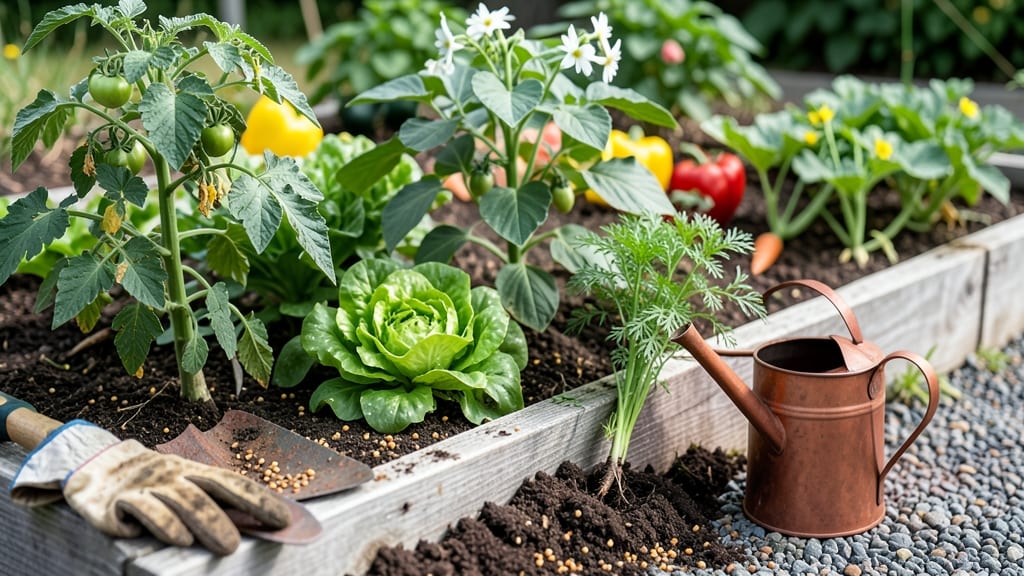
To apply fertilizer to your vegetable garden at the right time means feeding your plants when they actually need it—not before or after they’ve missed the window.
Timing your fertilizer applications wrong can mean wasted nutrients—or stunted plants. Discover the exact soil-test-based schedule to maximize growth without burning your 🥬 vegetables.
Most gardeners assume a one-size-fits-all approach works, but the truth is that heavy feeding too early can scorch roots, while waiting too long starves your crops of critical nutrients. The key is matching fertilizer to your soil’s current state and your plants’ growth stages.
In this guide, you’ll learn how to read soil test results, when to fertilize for pre-planting, early growth, flowering, and fruiting, and how seasonal shifts change your strategy from spring to fall.

Optimal fertilizer application timing based on soil tests and plant growth stages
Vegetable gardens thrive when nutrients align with their growth stages—not when we think they need feeding. A soil test reveals your garden's baseline, but even perfect results require timing fertilizer with plant development phases.
Over-fertilizing early can burn roots, while skipping mid-season feeds starves flowering tomatoes or peppers. Let's break down the science-backed schedule that prevents waste and maximizes harvests.
Most gardeners focus on NPK ratios (nitrogen, phosphorus, potassium), but timing matters more. For example, leafy greens like lettuce need nitrogen-heavy feeds early, while fruiting plants like cucumbers demand phosphorus at flowering.
Your soil test will show whether you need to amend before planting or supplement during growth. I’ll show you how to interpret those results and adjust your schedule accordingly.
Here’s the golden rule: Apply fertilizer when roots can access it. Cold, wet soil locks out nutrients—so never fertilize before the last frost date (typically mid-April in Zone 6a).
Instead, use compost or aged manure in fall to build soil life over winter. Spring’s the first critical window, but let’s dive into the full schedule.
Let’s start with pre-planting, where soil tests become your roadmap. If your test shows low organic matter (<1%), mix in 2–3 inches of compost before tilling. For sandy soil, add peat moss to retain moisture; for clay soil, incorporate coarse sand.
My rule of thumb: Work amendments 6–8 weeks before planting to let microbes break them down. This is especially critical for heavy feeders like corn or squash.
Once seedlings emerge, shift to nitrogen-focused feeds like fish emulsion or blood meal. Apply these 3–4 weeks after planting, but stop if plants bolt (send up flowers) prematurely. For tomatoes, switch to a 5-10-10 blend when you spot the first flower clusters.
This phosphorus boost encourages stronger roots and fruit set. Pro tip: Water deeply before fertilizing to prevent root burn.
Common mistakes that ruin fertilizer timing (and how to fix them)
Even experienced gardeners can fall into fertilizer timing traps that waste nutrients or harm plants. I've learned the hard way that applying fertilizer at the wrong time—like right before heavy rain or during extreme heat—can reduce its effectiveness by up to 70%.
The key is understanding your vegetable garden's growth stages and how environmental factors interact with nutrient uptake.
One of the biggest mistakes is ignoring soil temperature when applying fertilizer. For warm-season crops like tomatoes and peppers, soil needs to stay above 60°F (15°C) for roots to absorb nutrients properly.
If you fertilize too early in spring when soil is still cold, your plants will struggle to utilize the nutrients, leading to yellowing leaves and poor growth. Always check soil temperature with a thermometer before applying fertilizer.
Another critical error is over-fertilizing during the flowering stage. Too much nitrogen can cause excessive leafy growth at the expense of fruit production. I once saw my tomato plants burst with leaves but produce almost no fruit because I kept adding nitrogen-rich fertilizer.
The fix? Switch to a phosphorus-heavy fertilizer (5-10-10 NPK) during flowering to support root and flower development.
⚠️ Warning: 3 Timing Mistakes That Burn Your Plants
- Fertilizing before rain: Nutrients wash away before roots absorb them. Wait 24-48 hours after rain to apply fertilizer.
- Applying during drought: Dry soil can't distribute nutrients properly, causing root burn. Water first, then fertilize.
- Ignoring plant stress: Fertilizing stressed plants (wilted, yellowing, or pest-damaged) shocks them further. Wait until they recover.
Pro Tip: Always fertilize in the early morning or late evening to reduce nutrient loss from evaporation and heat.
Organic fertilizers like compost or manure require even more precise timing than synthetic options. If you apply them too early in the season, they can tie up nitrogen in the soil, making it unavailable to plants.
For organic matter, I recommend working it into the soil 4-6 weeks before planting to give it time to decompose and release nutrients gradually. Synthetic fertilizers, on the other hand, should be applied at planting and every 4-6 weeks during the growing season.
Don't forget to watch for plant stress signals that indicate poor fertilizer timing. If your vegetables develop crispy leaf edges or dark brown spots, it could mean over-fertilization.
Conversely, pale yellow leaves or stunted growth often signal under-fertilization. Adjust your schedule based on these visual cues—your plants will thank you with healthier growth and better yields.
Finally, seasonal changes can drastically alter fertilizer needs. In summer heat, plants absorb nutrients faster, so you may need to fertilize more frequently. In fall, cool-season crops like kale and carrots benefit from a final feeding 6-8 weeks before harvest to boost storage nutrients.
Always tailor your fertilizer timing to the current season and crop type for the best results.
By avoiding these common mistakes and paying attention to your plants' needs, you'll create a fertilizer schedule that maximizes growth without wasting resources. Remember, the goal is consistent, balanced nutrition—not just throwing fertilizer at your garden whenever you think of it. 🌱