
How To
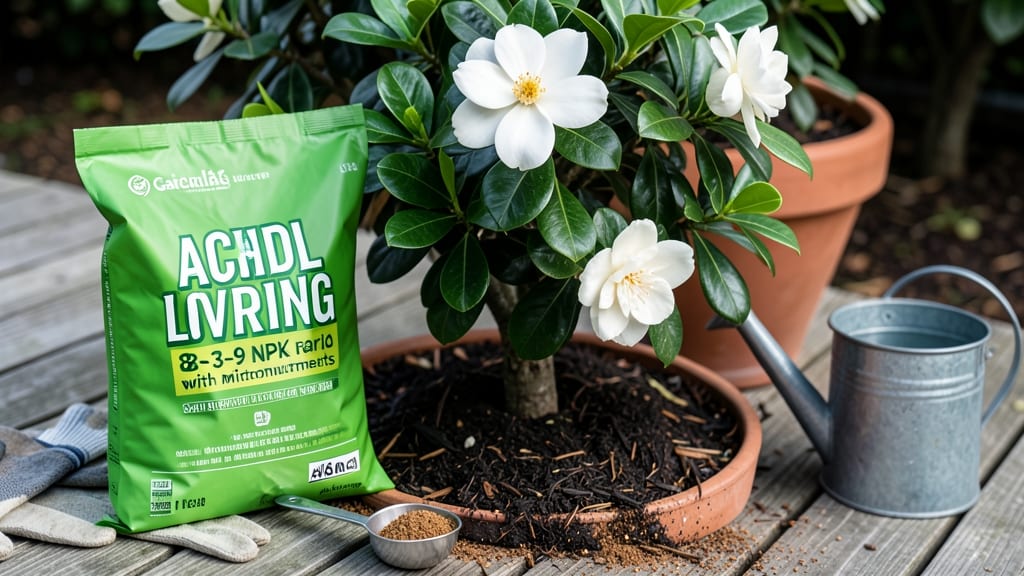
To fertilize gardenia 🌸 at the right time means timing it with its blooming cycle—early spring kickstarts growth, while summer feeds fuel those fragrant flowers.
Picture this: you’ve waited all winter for those glossy leaves to burst into bloom, only to end up with sparse buds or no flowers at all. The problem?
Fertilizing at the wrong time—too late in the season or with the wrong nutrients—can leave your gardenia underwhelmed, no matter how much you water it.
Here’s the secret: gardenias thrive on a seasonal schedule, not just random feedings. Whether you’re in USDA Zone 6a or a warmer climate, the key is feeding lightly in spring, boosting nutrients mid-season, and tapering off as fall approaches.
Skip the guesswork and follow the exact timing that triggers blooms.
In this guide, I’ll walk you through the month-by-month fertilization plan, the best fertilizer types for acid-loving gardenias, and how to spot over- or under-feeding before it’s too late. Ready to turn your gardenia into a fragrant powerhouse?

Optimal fertilization timeline for gardenia blooms by season
Gardenias thrive when fertilized at the right times—too early, and you risk root burn; too late, and your blooms may suffer. The key is aligning feeding with your plant's natural growth cycles, adjusted for your USDA climate zone (7-10).
In warmer zones, you'll fertilize slightly earlier than cooler regions, but the principle remains: feed when new growth begins and taper off before dormancy.
Your gardenia's blooming season (typically summer to fall) depends on when you fertilize in spring. A well-timed kickstart in March or April primes the plant for abundant flowers, while mid-season feedings in May and June sustain energy.
Late summer is for light touch-ups, and winter? A complete rest. Let's break down the exact monthly schedule to maximize those fragrant blooms.
| Month | USDA 7-8 | USDA 9-10 | Fertilizer Type | Notes |
|---|---|---|---|---|
| January | None | None | - | Dormant period; avoid fertilizing |
| February | None | None | - | Wait for new growth signs |
| March | Light feed | Light feed | Acid-loving 7-9-5 | Use ½ strength fertilizer |
| April | Full feed | Full feed | Acid-loving 7-9-5 | Apply when buds form |
| May | Full feed | Full feed | Acid-loving 7-9-5 | Peak blooming season |
| June | Light feed | Light feed | Acid-loving 7-9-5 | Reduce frequency |
| July | Light feed | Light feed | Acid-loving 7-9-5 | Prepare for dormancy |
| August | None | None | - | Stop fertilizing |
| September | None | None | - | Dormancy begins |
| October | None | None | - | Full dormancy |
| November | None | None | - | Protect from frost |
| December | None | None | - | Winter rest |
In USDA zones 7-8, your gardenia may need a light feed in March to kickstart growth after winter dormancy. Use a slow-release acid fertilizer like cottonseed meal or a 7-9-5 blend to avoid shocking the roots.
Apply it when you see new shoots emerging—this is your cue that the plant is ready to feed.
By April and May, your gardenia should be in full bloom mode. This is when you switch to regular feeding every 4-6 weeks with a balanced acid-loving fertilizer. Look for signs like dark green leaves and bud formation—these indicate your plant is thriving.
In USDA zones 9-10, you can fertilize slightly earlier (as early as <
Signs your gardenia needs fertilizer (and when to avoid it)
Your gardenia may be silently screaming for nutrients if its leaves start yellowing between the veins—a classic sign of iron deficiency. This chlorosis (yellowing) often appears first on newer growth, signaling your plant isn't getting enough micronutrients like iron or manganese.
Even with lush green leaves, check for sparse blooms or buds that drop before opening, another red flag that your gardenia needs a nutrient boost.
Don't confuse nutrient needs with overwatering, though. Wilting leaves or drooping stems can mean either too little water or too much fertilizer. The key difference? Overwatering causes mushy stems, while over-fertilizing leads to crispy leaf edges and stunted growth.
Both issues require different fixes—one needs less water, the other needs a fertilizer break.
⚠️ When NOT to Fertilize Your Gardenia
Never fertilize during these times:
- Winter months (Dec-Feb): Plant is dormant
- After pruning (wait 4-6 weeks)
- During heatwaves (above 90°F/32°C)
- When leaves show burn (brown crispy edges)
Pro Tip: Always water thoroughly 24 hours before fertilizing to prevent root burn.
Pay attention to your gardenia's growth rate too. Healthy gardenias grow about 6-12 inches per year, but if new growth is slow or stunted, it's begging for nutrients.
Look for small, pale leaves or weak stems—these are clear signs your plant isn't getting enough nitrogen or phosphorus. Even established plants benefit from a spring feeding to kickstart blooming season.
One of the most overlooked signs is poor soil structure. If your gardenia's soil feels compacted or dry even after watering, roots can't access nutrients properly. Amend with compost or peat moss before fertilizing—this helps roots absorb nutrients more efficiently.
I once had a gardenia with beautiful leaves but no flowers until I added organic matter to the soil first.
For potted gardenias, root-bound plants show different deficiency signs. Check for roots circling the pot—these plants need repotting before fertilizing. If you see white, powdery growth on leaves or stems, that's powdery mildew, often caused by excess nitrogen.
In this case, reduce fertilizer and improve airflow around the plant instead.
Remember: Less is more with gardenias. Over-fertilizing causes more damage than under-fertilizing. Start with a light application (½ tsp per plant) and monitor for 2-3 weeks before adding more. The goal is steady growth, not rapid blooms—your gardenia will thank you with fragrant flowers all season long! 🌸