
Picking
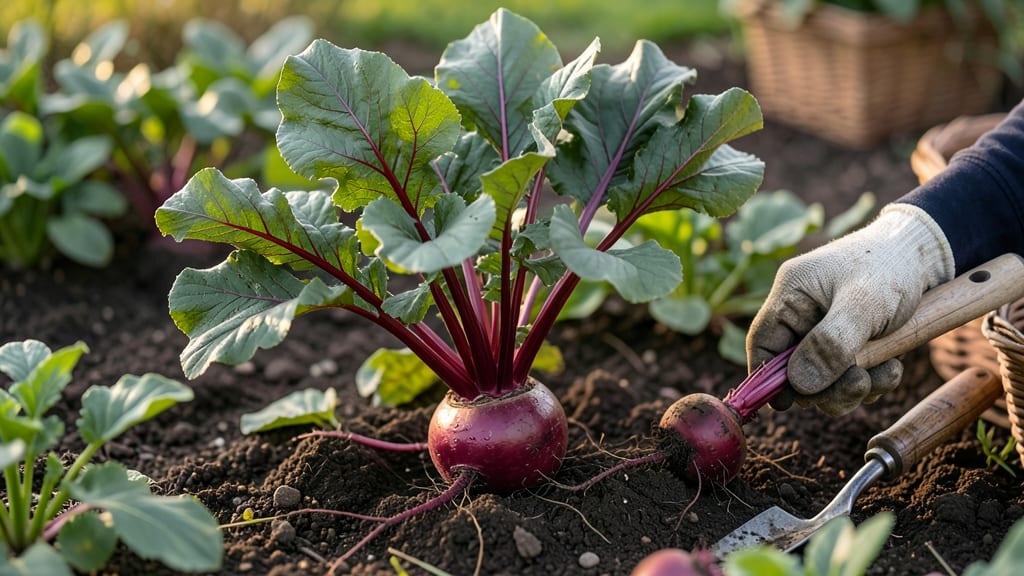
Knowing when to harvest beets from the garden ensures they’re sweet, tender, and full of flavor 🍠 — and missing that window means tough, woody roots that ruin even the best dish.
Most gardeners wait too long, assuming bigger is better, but the key is actually watching for three clear signs that tell you when to pull them: size, color, and soil resistance.
In this guide, I’ll walk you through the exact size and color tests to use, how to check soil readiness, and why timing matters more than you think—especially if you’re growing for storage.
By the end, you’ll know exactly when to harvest your beets for peak sweetness, whether you’re growing baby varieties or full-sized roots.
3 Size-based tests to harvest beets at peak tenderness
Harvesting beets at the right size ensures maximum tenderness and sweet flavor. Unlike many vegetables, beets don't ripen after picking, so timing is everything. The key lies in understanding variety-specific sizes and textural cues that signal peak readiness.
I've grown Detroit Dark Red, Golden Beets, and Baby Beets for years, and the difference between a perfectly tender harvest and a woody mess comes down to these three size-based tests. Each variety has its own ideal window—missing it means sacrificing flavor and texture.
Visual reference is critical because beet sizes vary dramatically. A 1-inch diameter baby beet is ready to eat, while a 3-inch mature beet needs more time. The table below breaks down exactly what to look for by variety, including common mistakes that lead to tough roots.
| Beet Type | Ideal Harvest Size (Diameter) | When to Pull | Flavor Profile | Common Mistakes |
|---|---|---|---|---|
| Baby Beets (e.g., 'Baby Keeper') | 1-2 inches | 50-55 days after sowing | Sweet, mild, delicate | Waiting too long for larger size |
| Standard Beets (e.g., 'Detroit Dark Red') | 2.5-3.5 inches | 60-70 days after sowing | Earthy, rich, robust | Harvesting before full size |
| Giant Beets (e.g., 'Chioggia') | 4+ inches | 75-90 days after sowing | Intense, deep flavor | Overestimating soil readiness |
For baby beets, I pull them when they reach 1-2 inches in diameter—about the size of a golf ball. These are perfect for salads and quick cooking. The leaves should be large (4-6 inches tall) and the roots should resist gentle pressure when squeezed between fingers.
Standard varieties like Detroit Dark Red take longer—aim for 2.5-3.5 inches in diameter. At this size, the skin should be firm but not hard, and the color should be deep and consistent throughout. If you wait too long, the roots develop woody rings, making them tough and bitter.
Giant varieties like Chioggia (with their stunning striped interiors) need even more time—4+ inches in diameter. These are best for long-term storage or roasting. The key test here is soil resistance: if the beet won't budge when gently pulled, it's overripe and past its prime.
I always harvest in the morning when soil is moist but not soggy. This makes the roots easier to pull and preserves their crisp texture. Use a garden fork to loosen the soil around the beet before pulling—this prevents damage to the roots and surrounding plants.
One mistake I see often is judging size by leaf size alone. While large leaves indicate maturity, the root size is what truly matters. Always dig up a test beet to check the root diameter before committing to a full harvest.
This simple step saves hours of overgrown, inedible beets.
Pro tip: Thin seedlings early to give remaining plants enough space. Crowded beets compete for nutrients, leading to smaller, tougher roots. Space them 3-4 inches apart for standard varieties and 6 inches apart for giant types to ensure optimal growth and harvest quality.
Color and soil tests: how to spot perfectly ripe beets
Harvesting beets at the right time isn't just about guessing their size—it's an art of reading root color and soil resistance. A deep ruby red or golden hue signals peak sweetness, while soil that gives slightly under gentle pressure confirms tender roots ready to pull.
I've learned the hard way that waiting too long turns beets woody and bitter, but harvesting too early means missing that perfect earthy flavor.
Start by examining the topsoil around your beet plants. Perfectly ripe beets should resist gentle tugging—if they pull out easily, they're underripe. Meanwhile, the leafy greens should be vibrant and healthy, not yellowing or wilted.
These visual cues work together to tell you when your beets are ready for harvest.
Underripe Beets
Overripe Beets
For striped varieties like Chioggia, look for bold, uniform color bands that run from the center outward. The golden beets should develop a rich, buttery hue—not pale or dull.
I always dig one test beet to check the color before harvesting the whole patch, especially with heirloom varieties where color depth matters most.
Soil conditions play a surprising role too. If the soil feels compacted or dry, your beets may have developed hard, fibrous roots. Loose, moist soil ensures tender roots.
After a rain, I test the soil by pressing my finger into it—if it holds its shape but isn't sticky, it's perfect for harvesting. Overly wet soil can cause beets to split or rot, while dry soil makes them tough.
Don't ignore the top greens either. Healthy leaves mean the beet is photosynthesizing properly, which directly impacts root development. If the greens look stressed (yellowing, curling, or stunted), your beets might be struggling—pull a test sample to check for underdevelopment.
In my garden, I've found that Detroit Dark Red varieties often mature faster when the greens stay lush and dark.
One final trick: cut into a test beet to check the ring pattern. Perfectly ripe beets show a clear, consistent ring of color. If the center looks pale or the rings are uneven, it's not ready.
Overripe beets often have a dark, almost blackened core—a sure sign you've waited too long. I've saved many a harvest by using this simple test before committing to a full pull.