
Picking
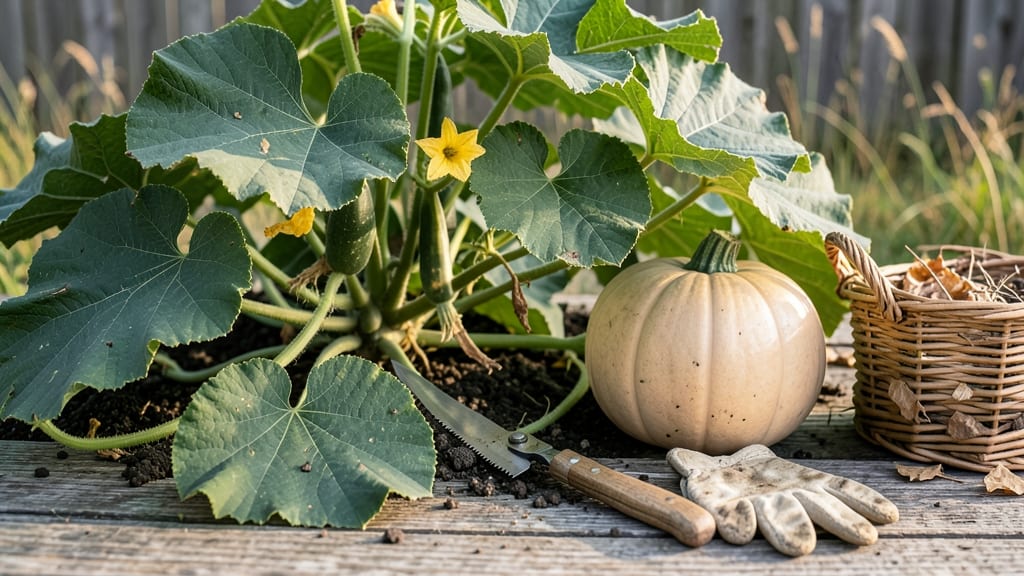
Harvesting when to harvest butternut squash from the garden at the right moment means the difference between sweet, tender flesh and tough, flavorless disappointment—and timing it perfectly is easier than you think.
Picture this: You’ve spent weeks tending to your vines, and now the fruit is the size of a small pumpkin. But is it really ready? One wrong cut too soon, and you’re left with squash that’s still growing on the vine.
Too late, and the first frost turns your harvest into mush.
Here’s the game-changer: three simple finger-press tests that take just 10 seconds each to confirm ripeness. No guesswork, no wasted effort—just foolproof results every time. I’ll walk you through each step, from checking the stem to testing the rind, so you never miss the window again.
Whether you’re in Zone 6a or further south, these tricks work year after year. By the end, you’ll know exactly when to grab your pruners and walk away with the sweetest, most flavorful butternut squash your garden—and your table—has ever seen.
3 Finger-press tests to determine butternut squash ripeness (with visual guide)
Harvesting butternut squash at the perfect moment ensures sweet, tender flesh and maximum storage life. Unlike color alone—which can be misleading—these three tactile tests reveal the true ripeness of your squash.
I’ve used them for years to avoid tough, underripe squash or mushy overripe ones, and they’ll work for you too.
The key is pressure sensitivity: a ripe butternut squash resists your fingers like a firm watermelon, while unripe ones dent easily. These tests take just seconds each and eliminate guesswork.
Let’s start with the most reliable method—the stem press test—which tells you if the squash is still growing or ready to pick.
| Test Type | Ready Squash | Unripe Squash | What It Means |
|---|---|---|---|
| Stem Press | Brown, dry, brittle stem that snaps easily | Green, flexible stem that bends without breaking | Stem drying signals stopped growth and peak sweetness |
| Rind Pressure | Hard rind with no dent when pressed with thumbnail | Soft rind that dents easily or bruises | Firm rind = fully developed starches and longer shelf life |
| Seed Cavity Check | Seeds are plump but soft when pressed with thumb | Seeds are hard or shriveled (overripe) or still developing | Soft seeds = peak flavor and ideal texture for roasting |
The stem press test is my go-to because it’s the most direct indicator of growth status. Gently grasp the stem near where it attaches to the squash. If it’s dry and papery, the squash has stopped growing and is ready.
A green, flexible stem means it’s still feeding nutrients from the vine—wait another week.
Next, perform the rind pressure test by pressing your thumbnail into the squash’s skin. A ripe butternut squash should feel rock-hard with no give. If your nail leaves a dent, the squash needs more time.
This test is especially critical for storage potential: soft rinds bruise easily and spoil faster.
For the final check, cut open the blossom end (the flat side) and examine the seed cavity. Press a seed between your fingers—it should feel soft and fully formed but not mushy.
Hard seeds mean the squash is overripe, while tiny, undeveloped seeds signal it’s not ready. This test guarantees you’re harvesting at the sweetest flavor window.
Pro tip: Combine all three tests for 100% accuracy. For example, a squash might pass the rind test but fail the stem test—this means it’s still growing. Always harvest in the morning after dew dries to avoid fungal risks from wet rinds.
If you’re growing butternut squash in warmer climates, these tests work year-round. In cooler regions, prioritize the stem test first—frost can trick other cues by turning rinds dull before the squash is truly ripe. I’ve even used these tests on smaller varieties like ‘Waltham’ with great success.
Remember, butternut squash continues to ripen after harvest if cured properly (place in a warm, dry spot for 10 days). But these finger tests ensure you’re starting with the best possible fruit. Now grab your squash and give it the three-touch inspection—your taste buds will thank you!
Best time of day and seasonal factors for harvesting butternut squash
Timing your butternut squash harvest isn’t just about ripeness—it’s also about temperature, daylight, and seasonal shifts. Morning harvests yield the freshest flavor because cooler temps preserve sugars, while afternoon heat can accelerate spoilage. Aim for 6-9 AM when dew has evaporated but temps stay mild (65-75°F).
Seasonal timing varies dramatically by climate zone. Northern growers face frost risks by October, while Southern gardens can extend harvests into November or December.
Butternuts ripen in 85-100 days, so track your planting date—late summer peaks in most regions, but early fall frost can ruin unripe fruit.
🌱
| Factor | Northern Climates (Zones 3-6) | Southern Climates (Zones 7-10) |
|---|---|---|
| Optimal Harvest Window | Late August–early October | September–November |
| Best Time of Day | 6–9 AM (cooler temps) | 7–10 AM (avoid midday heat) |
| Ideal Air Temp | 55–70°F (13–21°C) | 60–75°F (16–24°C) |
| Frost Risk | Harvest before first frost (Oct 15) | Can tolerate light frost if cured |
| Post-Harvest Cure | 10–14 days at 80°F (27°C) | 7–10 days at 75°F (24°C) |
Northern gardeners should prioritize harvest speed when temps drop below 50°F (10°C). Frost turns squash mealy and bitter—cut vines 2 inches above fruit to prevent rot during storage.
Southern growers enjoy longer harvests but must watch for humidity spikes, which accelerate decay. Store harvested squash in a dry, shaded spot (60–70°F) for up to 3 months.
Watch for seasonal color shifts: Northern butternuts deepen to tan or cream earlier, while Southern varieties may retain green streaks longer. Always test rind firmness—if it yields to pressure, wait 3–5 more days.
Overripe squash loses sweetness and spoils faster, so harvest proactively when 80% of fruit shows these cues.
🎃
Pro tip: Mark your calendar 2 weeks before your average first frost date to trigger final harvests. Use a moisture meter to check soil—dry conditions slow ripening. Pair morning harvests with evening curing (place squash in sunny, breezy spots) to maximize shelf life.
With these seasonal adjustments, you’ll consistently harvest butternut squash at peak flavor every year.