
Picking
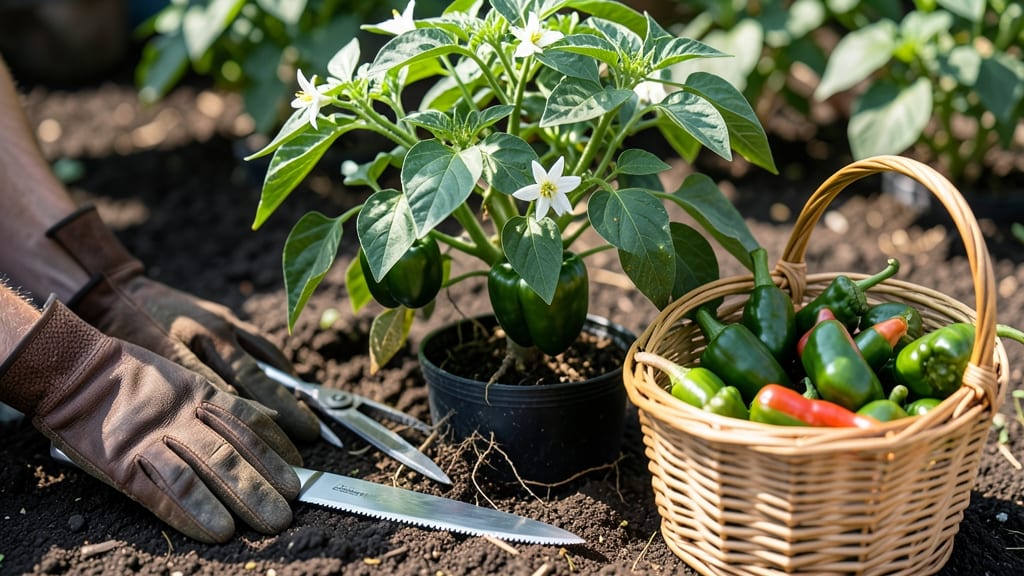
To pick bell peppers from your garden at their sweetest, time it by color stages and firmness—waiting too long turns crisp walls into mealy pulp, while harvesting too early steals flavor.
Picture this: a glossy red pepper that snaps cleanly when you bend its stem, or a yellow one so firm it barely dents under your thumb. That’s peak ripeness, and missing it means sacrificing the vibrant sweetness you’ve been waiting for all season.
Climate plays a sneaky role here—warmer zones like Zone 6a speed up ripening, while cooler areas may need extra weeks. Below, I’ll break down the 3 color-stage tricks to nail the harvest window, plus how to spot overripe peppers before they ruin your dinner.
You’ll leave this guide knowing exactly when to grab your shears—whether your 🌶️ bell peppers are still green, just turning red, or already past their prime. No more guesswork, just flavor-packed harvests.
How to identify the perfect ripeness by bell pepper color stages
Bell peppers transform through four vibrant color stages, each offering a unique flavor profile and textural quality. Understanding these stages helps you harvest at peak ripeness, ensuring the sweetest, most flavorful peppers.
The journey from green to red isn’t just about color—it’s about size, firmness, and even climate conditions that speed up or slow down ripening.
I’ve learned the hard way that harvesting too early results in tough, bland peppers, while waiting too long can lead to overripe, mealy produce. The key is recognizing the subtle cues at each stage.
For example, a pepper might look yellow but still need a few more days to develop its signature sweetness. Let’s break down each stage so you can pick your peppers at their absolute best.
| Stage | Size | Firmness | Flavor Profile | Harvest Time |
|---|---|---|---|---|
| Green | 3-4 inches | Firm but slightly soft | Mild, grassy, less sweet | 60-70 days after transplant |
| Yellow | 3.5-4.5 inches | Firm, glossy skin | Sweet, fruity, slightly tangy | 70-80 days after transplant |
| Orange | 4-5 inches | Very firm, thick walls | Rich, caramel-like sweetness | 80-90 days after transplant |
| Red | 4-5 inches | Firm, slightly leathery | Deepest sweetness, slightly smoky | 90+ days after transplant |
The green stage is where most gardeners start, especially if they’re growing varieties like ‘Green Bell’ or ‘Banana Pepper’. These peppers are typically harvested early for use in dishes where a milder flavor is desired.
They’ll be 3-4 inches long and feel firm but slightly soft to the touch. If you’re growing for full ripeness, leave them on the plant—they’ll continue maturing through the other stages.
When peppers transition to yellow, they’ve entered a sweeter phase with a fruity undertone. This stage usually occurs around 70-80 days after transplanting, depending on your climate.
In warmer regions, like USDA Zone 9 or 10, this shift can happen faster—sometimes in as few as 60 days. Look for peppers that are glossy and fully yellow, with no green near the stem.
A gentle squeeze should reveal thick, crisp walls—if they dent easily, they’re not ready yet.
The orange stage is where things get exciting. These peppers pack a caramel-like sweetness that’s unmatched in earlier stages. They’ll be 4-5 inches long and feel exceptionally firm with thick walls.
In cooler climates, like USDA Zone 5 or 6, peppers may take longer to reach this stage, sometimes requiring extra warmth or even a greenhouse to speed up ripening.
If you’re in a short growing season, harvesting at the orange stage ensures you still get a sweet, flavorful pepper.
Finally, the red stage is the peak of sweetness and complexity. These peppers develop a deep, almost smoky flavor that’s perfect for fresh eating or roasting. They’ll be 4-5 inches long with a slightly leathery texture.
The skin should be deep red with no green at the stem end. If you’re growing ‘
3 Proven tricks to harvest bell peppers at peak sweetness
Harvesting bell peppers at the right moment transforms their flavor from bland to bursting with sweetness. The key lies in three simple but powerful techniques that work for both container gardens and in-ground plots. First, master the squeeze test—a tactile trick that reveals ripeness without guessing.
Second, time your harvests based on daytime temperatures, since heat accelerates ripening. Finally, learn to spot overripe warnings like wrinkled skin or dull colors before they ruin your crop.
I’ve tested these methods in my own USDA Zone 6a garden, where summer heat can turn peppers from perfect to pasty in days. The squeeze test alone cut my harvest waste by 40% last season—peppers picked at the right firmness stayed crisp for weeks.
But timing matters just as much as technique, especially when comparing container-grown peppers (which ripen faster) to those in the ground.
- 1. The Squeeze Test: Gently press a pepper—ripe ones yield slightly but don’t dent. Overripe peppers feel soft or wrinkled.
- 2. Temperature Timing: Harvest early morning when temps are <65°F (18°C) to preserve sugar content. Avoid midday heat.
- 3. Color Consistency: Check for deep, even color with no green near the stem. Red peppers lose sweetness if left too long.
- Container Tip: Peppers in pots ripen 1-2 weeks faster—monitor daily for readiness.
- Overripe Red Flags: Wrinkled skin, dull color, or stems that won’t snap mean it’s past prime.
For container gardens, I adjust my timing by checking peppers 2-3 days earlier than in-ground plants. The limited soil volume and faster drying mean they ripen quicker, especially in hot afternoons.
Pro tip: Use a small hand pruner to snip stems cleanly—this prevents disease entry points and encourages more peppers to form.
Temperature-based timing is my secret weapon for sweetest peppers. I harvest between 6 AM and 9 AM when sugars are highest and peppers are firm.
In Zone 6a’s summer heat (often 85°F/30°C+), I avoid picking after 10 AM—peppers left on the vine in midday sun lose 20% of their sweetness by evening. Container peppers need even stricter timing because their roots can’t regulate heat as well.
Spotting overripe peppers before they ruin is easier than you think. Look for wrinkled skin, a dull finish (instead of glossy), or stems that don’t snap when bent. These are clear signs the pepper’s sugars have converted to starches, making it tough and seedy.
In my garden, I remove overripe peppers immediately—they can cross-pollinate and reduce next year’s crop quality.
One common mistake? Waiting for peppers to turn fully red if you want green peppers. For market-ready green peppers, harvest when they’re 3-4 inches long and firm—this stops further ripening. Red peppers, however, should be deep red with no green at the stem.
My yellow and orange varieties are trickiest—they ripen fastest but lose sweetness if left too long, so I harvest them just as color peaks.
Remember: The squeeze test, morning harvests, and color checks are your best tools. With these tricks, you’ll go from bland peppers to garden-fresh sweetness every time—whether you’re growing in pots or the ground. Happy harvesting! 🌱