
Picking
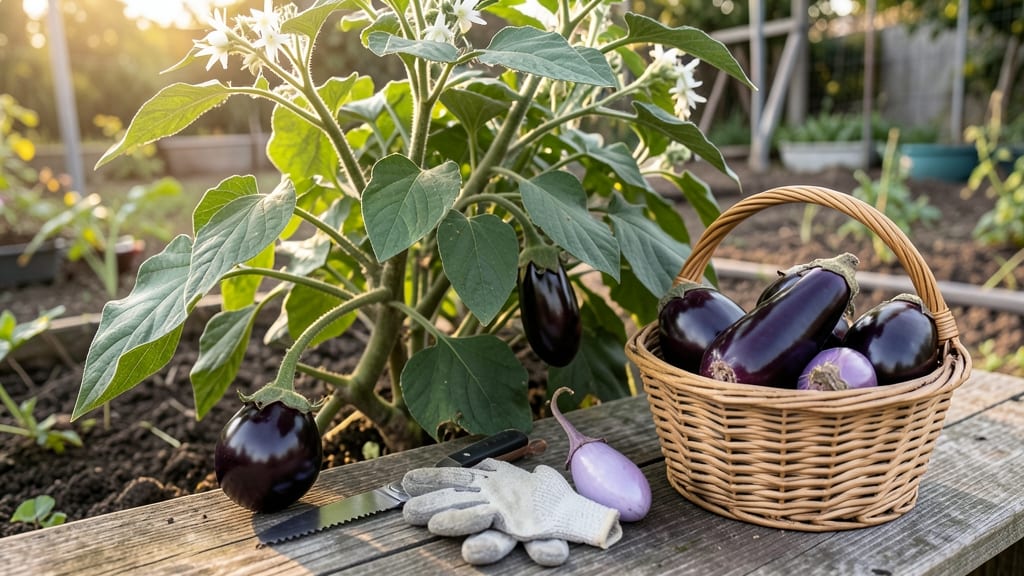
Picking eggplant from your garden at the right time ensures tender, flavorful fruit—wait too long, and you’ll end up with mealy, bitter 🍆 that’s past its prime.
Eggplants are tricky: pick them too early, and they’ll be bitter and underdeveloped; wait too long, and they’ll turn mealy or rot. But mastering the perfect moment ensures juicy, flavorful harvests every time.
You’ll know it’s time when the skin shifts from glossy green to deep purple or black, feels firm to the touch, and the stem snaps cleanly. These visual and tactile cues are your best friends in the garden.
Below, I’ll walk you through the exact color, size, and firmness checks—plus the best time of day to harvest—so you never miss the window again.
How to tell when eggplant is ripe by color & size
Knowing when to pick eggplant from your garden starts with understanding its color shifts and ideal size range. Unlike many vegetables, eggplants don’t ripen further after harvest, so timing is everything. A ripe eggplant should have a deep, rich hue and a glossy, firm skin—signs it’s ready to enjoy.
Ignoring these cues can lead to bitter flavors or mealy textures, so let’s break down what to look for.
The color transformation is one of the most obvious signs. Young eggplants often start green or pale purple, but as they mature, they develop a deep purple, black, or striped appearance, depending on the variety.
For example, Black Beauty eggplants turn glossy black, while Ichiban varieties develop striking white stripes. This color shift indicates the fruit is storing more sugars and developing its signature flavor.
| Ripeness Cue | Description | What It Means |
|---|---|---|
| Color Shift | Deep purple, black, or variety-specific hue | Fruit is mature and flavorful |
| Glossy Skin | Smooth, shiny surface | Peak freshness and texture |
| Size Range | 6–12 inches long | Full-sized for variety (check seed packet) |
| Firmness | Resists gentle pressure | Not overripe or mushy |
Size matters just as much as color. Most eggplant varieties reach their ideal harvest size between 6 and 12 inches, though dwarf varieties like Fairy Tale stay smaller (around 4 inches). Check your seed packet for variety-specific guidelines, as some types (like Ichiban) can grow larger.
Overlooking size can mean harvesting too late—when eggplants become woody or seedy, ruining their delicate texture.
Pay close attention to the skin’s glossiness. A ripe eggplant should feel smooth and slightly shiny, almost like polished marble. Dull or wrinkled skin is a red flag that the fruit is past its prime.
This glossiness isn’t just about looks; it’s a sign the skin has thickened, reducing bitterness and improving flavor. If your eggplant’s skin feels rough or dry, it’s likely been on the vine too long.
Don’t forget to consider the stem’s condition. When an eggplant is ready, the stem where it attaches to the plant should snap easily when gently twisted. This indicates the fruit has fully matured and is ready to separate cleanly.
If the stem resists or tears, the eggplant may still need time. This test is especially useful for large varieties, where color alone might not be enough to judge ripeness.
Variety plays a huge role in ripeness cues. For example, Asian eggplants like Thai Long stay slender and green until fully ripe, while Italian varieties like Rosa Bianca develop a creamy white blush.
Always research your specific variety’s traits—some change color dramatically, while others mature more subtly. When in doubt, harvest on the smaller side; eggplants won’t ripen further off the vine.
Temperature can also affect color development. In cooler climates, eggplants might take longer to reach their full hue. If your garden experiences unseasonably cold nights, give your plants extra time to mature.
Conversely, in hot climates, eggplants may ripen faster—monitor them closely to avoid missing the window. Adjust your harvesting schedule based on your local last frost date and growing season.
One common mistake is waiting for eggplants to turn fully black (for dark varieties). While this might seem like the ultimate ripeness, it can mean the fruit is overripe and seedy. Instead, aim for a deep, even color that’s just shy of full darkness.
For lighter varieties, look for a consistent, vibrant hue without green or pale patches. These visual cues ensure you’re harvesting at peak flavor and texture.
Remember, eggplant flavor improves with maturity up to a point. The longer they stay on the vine (within reason), the sweeter and more complex their taste becomes. But balance is key—harvest before seeds harden or the skin becomes too tough.
With these color and size guidelines, you’ll consistently pick eggplants at their best, ready for your favorite recipes or fresh eating.
Pro tip: Use a small knife or pruners to harvest, cutting the stem about 1 inch above the fruit. This prevents damage to the plant and encourages more blooms. Store ripe eggplants in a cool, dark place for up to a week, or refrigerate for longer storage.
Now that you’re tuned into their visual cues, you’re ready to enjoy homegrown eggplants at their peak! 🍆
The firmness & weight test: why it matters more than you think
Don’t rely on color alone to judge eggplant ripeness—firmness and weight reveal the true story. A ripe eggplant should feel heavy for its size, a sign of dense flesh packed with flavor.
When I press my thumb into the skin, it should spring back slightly rather than dent. This tactile test separates perfect harvests from disappointing, mealy ones.
Many gardeners skip these checks, assuming size or color is enough. But overripe eggplants develop hollow cavities and bitter seeds, while underripe ones stay tough and bland. The secret? Combine visual cues with these hands-on tests for foolproof results every time.
⚠️ Warning: Common Mistake Alert!
Don’t twist the stem to harvest—it crushes the fruit and invites rot. Instead, use a sharp knife or pruners to cut 1 inch above the fruit. This preserves the plant’s energy for future harvests and keeps your eggplants looking store-bought perfect.
Start with the weight test: Hold the eggplant in one hand. A ripe fruit feels surprisingly heavy, like a small melon, while unripe ones feel light and hollow.
For example, my Black Beauty varieties tip the scales at 1.5–2 pounds when ready, while smaller Ichiban stay under 1 pound. Weighing them helps track progress over days.
Next, examine the seed cavity. Cut one end open—ripe eggplants have small, soft seeds surrounded by firm white flesh. If seeds are large or hard, the fruit overstayed its welcome. I’ve ruined batches by ignoring this step, ending up with bitter, seedy eggplants that no recipe could save.
For extra precision, check the stem attachment. Gently twist the fruit—if the stem snaps cleanly (not pulls away), it’s ready. This method works even for white or striped varieties, where color changes are subtle.
Pair this with the firmness test for 100% accuracy, especially in cooler climates where ripening slows.
Remember: Harvest frequency matters. Pick eggplants every 2–3 days during peak season to encourage more production. Overcrowded plants divert energy to seeds instead of fruit, leading to small, underripe harvests.
My longest harvest season came from picking consistently—20 fruits in 6 weeks—versus just 8 when I waited too long.
Master these tactile tests, and you’ll never second-guess your eggplant harvest again. The difference between restaurant-quality and disappointing fruit comes down to these simple checks—no fancy tools required. Happy harvesting! 🍆