Picking
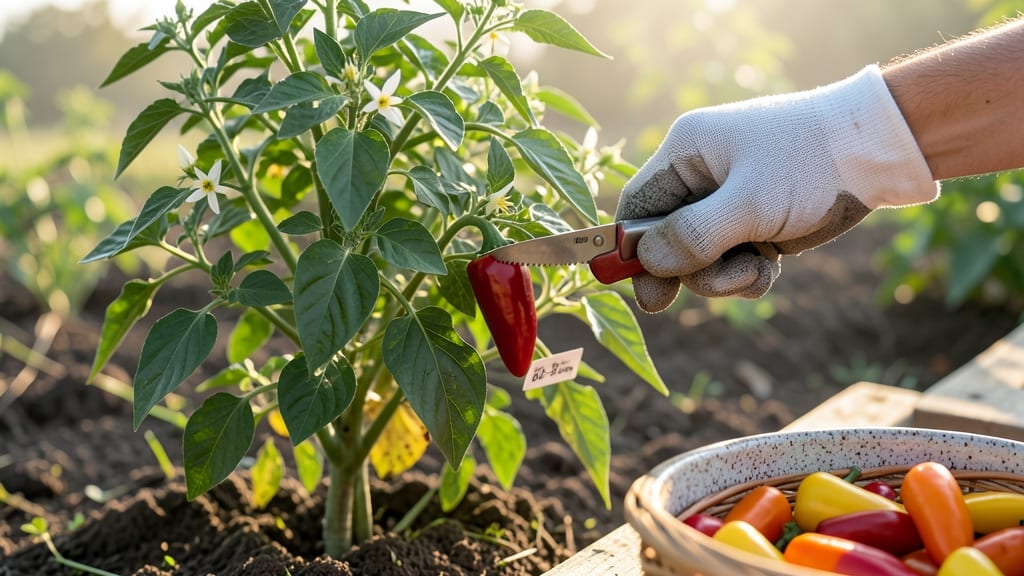
To pick garden salsa peppers at their peak for the best flavor and heat, watch for three key signals: deep color, firmness, and a glossy sheen 🌶️.
Harvesting too early means mild, underdeveloped peppers that lack the punch your homemade salsa deserves. Wait until they’re fully colored, 2-4 inches long, and still crisp to the touch—those are the signs of perfect ripeness.
Miss this window, and you’ll end up with peppers that are tough, bland, or even bitter.
But here’s the trick: heat levels change as peppers mature. A green jalapeño, for example, packs more capsaicin than its red counterpart, while serranos turn fiery yellow when fully ripe. Knowing these shifts helps you time your harvest for the exact spice profile you want in your salsa.
In this guide, I’ll break down the exact visual cues to look for, common mistakes that ruin flavor, and how to store your freshly picked peppers so they stay vibrant and ready for chopping. Let’s make sure your next batch of salsa is the best yet!
How to identify perfect salsa pepper ripeness by color, size & heat
Picking your salsa peppers at the right moment transforms your homemade salsa from good to extraordinary. The key lies in understanding their color progression, size thresholds, and how heat levels evolve as they mature.
For example, a jalapeño picked too early will be mild and underdeveloped, while waiting too long can make it tough and bitter. Let's break down the exact cues to watch for.
Most salsa pepper varieties like serranos, habaneros, or even bell pepper hybrids follow predictable ripening patterns. The ideal harvest window typically falls between 60-90 days after transplanting, but color and firmness are your best indicators—not just days on the calendar.
For instance, a red jalapeño will have twice the heat of its green counterpart, but it also loses crispness if left too long.
Color is your first visual clue. Most salsa peppers start green and transition through yellow or orange before turning red or another mature hue. However, some varieties like habaneros stay orange or red their entire lives. The deeper and more uniform the color, the riper—and often hotter—the pepper. For jalapeños, a vibrant red means peak heat, while serranos should be a bright green or red.
Size matters too. A jalapeño should be at least 2-3 inches long and 1 inch wide before picking, while serranos or habaneros are ready when they reach 1.5-2.5 inches.
Smaller peppers are usually less flavorful and milder in heat. Always compare to similar peppers on the plant—consistency in size is a good sign of readiness.
Now for the heat test: Gently press the pepper near the stem. If it feels firm but yields slightly (like a ripe avocado), it’s ready. A soft or wrinkled pepper is overripe, while one that’s too hard needs more time.
The stem should also separate cleanly from the plant with a slight twist—no tearing. This indicates the pepper has absorbed maximum flavor and heat.
| Peppers | Color Stage | Size Range | Heat Level | Best For |
|---|---|---|---|---|
| Jalapeño | Green → Red | 2-3" long | Mild (green) → Hot (red) | Fresh salsa, pickling |
| Serrano | Green → Red | 1.5-2.5" | Hot (2x jalapeño) | Spicy salsa, sauces |
| Habanero | Orange/Red | 1-2" | Extreme heat | Hot sauces, marinades |
| Poblano | Dark Green → Red | 3-5" long | Mild to medium | Stuffed peppers, salsa |
| Thai Chili | Red | 1-2" | Very hot | Asian dishes, spicy salsa |
Heat intensity peaks at full ripeness for most peppers. For example, a red jalapeño can have 3-4 times the capsaicin (the compound that makes peppers hot) of its green version. If you’re making spicy salsa, wait for the
Common mistakes that ruin salsa pepper flavor (and how to avoid them)
Picking salsa peppers at the wrong stage can turn your homemade salsa from fiery delicious to bland disappointment. Many gardeners make the same critical errors—like harvesting too early for mildness or waiting too long for tough, bitter peppers.
These mistakes don't just affect heat levels; they ruin texture and vibrant color too. The key is understanding maturity cues and avoiding common pitfalls that even experienced gardeners fall for.
One of the biggest mistakes is harvesting green peppers when you actually want mature red or yellow ones. While green peppers are milder, they lack the sweet depth and complex flavors that develop as they ripen.
Another frequent error is picking peppers that are too soft or wrinkled, which means they've overstayed their prime and lost crispness. Even the heat intensity changes dramatically based on timing—picking too early means weak spice, while waiting too long can make them tough and seedy.
⚠️ WARNING: The #1 Mistake Gardeners Make ⚠️
Many gardeners pick peppers based on calendar dates or plant age rather than actual ripeness. This leads to:
- Pale, uneven color = underripe and bland
- Soft, wrinkled skin = overripe and tough
- Uneven heat levels = inconsistent salsa spice
Always check these three ripeness signs before picking:
- ✅ Deep, consistent color (no green patches)
- ✅ Firm skin that resists gentle pressure
- ✅ Stem snaps cleanly when bent (not pulled)
Pro Tip: Use your fingernails to test firmness—if the skin dents easily, wait 1-2 days.
Another common error is overestimating heat development. Some varieties, like jalapeños, get hotter as they ripen, while others like serranos peak early and lose heat if left too long. I've seen gardeners harvest red jalapeños expecting maximum heat, only to find they're milder than their green counterparts.
Always research your specific variety's heat progression—some need to be picked green for maximum spice, while others should ripen fully.
Storage mistakes after harvest also ruin flavor. Many gardeners wash peppers immediately, which removes their protective natural wax coating and speeds up spoilage. Instead, store them unwashed in a paper bag in the fridge to retain crispness.
If you're not using them within a week, consider freezing or drying—both methods preserve heat and texture better than long-term refrigeration. For salsa-making, I recommend using peppers within 5-7 days of harvest for peak freshness.
Finally, don't fall for the myth that bigger peppers always mean better flavor. While size matters, it's the balance of color, firmness, and heat that creates the perfect salsa pepper.
Some compact varieties like shishito peppers are best when small and tender, while larger peppers like bell varieties need time to develop sweetness. Always prioritize visual and tactile cues over size alone when deciding to harvest.
By avoiding these common mistakes—harvesting at the right color stage, testing firmness properly, and storing peppers correctly—you'll ensure your homemade salsa has bold heat, vibrant color, and perfect texture every time.
The difference between a mediocre salsa and a showstopping one often comes down to these simple but critical timing decisions. 🌶️