
Picking
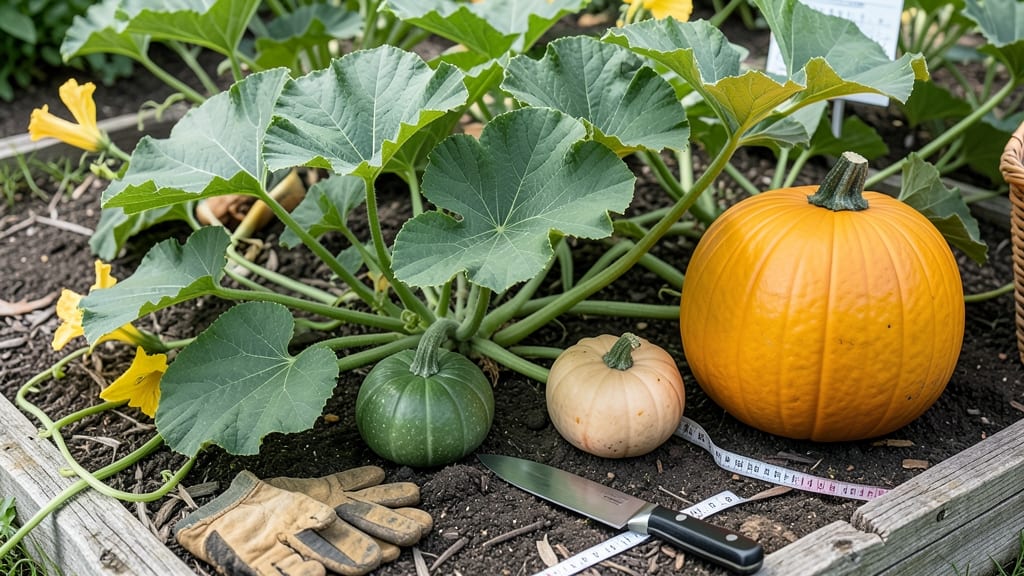
To pick squash from your garden at its peak, you’ll want to watch for three key signals: size, skin hardness, and color—because missing the window means tough, seedy, or bitter fruit.
Picture this: you’ve been waiting weeks for that first butternut 🎃 to ripen, only to find it’s gone from tender to woody overnight. That’s the difference between a harvest that tastes like summer and one that’s past its prime.
Most gardeners check for a hard rind and deep color, but there’s a fourth trick—taste-testing a small slice—that takes the guesswork out of timing. Below, I’ll walk you through the exact touch-and-taste tests for zucchini, summer squash, and winter varieties.
You’ll also learn how to spot overripe squash (yes, it’s worse than you think) and store your harvest to keep it fresh for weeks—no more sad, shrunken squash in the pantry.
3 Touch-and-taste tests to determine squash ripeness
Harvesting squash at the perfect moment transforms your garden bounty into a culinary delight. The key lies in simple touch-and-taste tests that reveal when your zucchini, butternut, or pumpkin has reached peak ripeness.
Unlike leafy greens, squash doesn’t give obvious signals—you’ll need to feel, see, and sometimes taste to get it right. These methods work for all summer and winter squash varieties, ensuring you never pick too early (mealy texture) or too late (bitter, seedy overgrowth).
I’ve tested these techniques across my own garden for years, and they’ve saved me from rock-hard pumpkins and stringy zucchini. The secret? Combining visual cues with physical tests. For example, a zucchini’s skin should yield slightly when pressed but not dent deeply—think of a ripe avocado’s firmness.
Meanwhile, butternut squash needs that unmistakable hard rind before it’s ready. Let’s break down the three foolproof tests you can use right in your garden.
-
1. The Thumb Test
Press firmly—skin should dent but not puncture -
2. The Color Check
Even, deep hue = ready; pale spots = wait -
3. The Taste Sample
Sweet, firm flesh = harvest now; bitter = too late
The thumb test is my go-to for quick checks. Gently press your thumbnail into the squash’s skin. If it leaves a slight dent but doesn’t puncture, it’s ready. For zucchini and yellow squash, aim for a 3-5 inch length with this firmness.
I’ve found that waiting until the skin is too tough leads to woody fibers—a common mistake even experienced gardeners make. Pro tip: Check the skin near the stem first, as this area often ripens slightly earlier.
Next, perform the color check, which varies by variety. Zucchini should turn a deep, even green, while yellow squash develops a golden hue. For butternut and pumpkin, look for consistent color without pale patches. Uneven coloring usually means the squash needs more time on the vine.
I once harvested a butternut squash too early because I missed the cream-colored blush—it turned out bland and watery. Always compare your squash to mature examples from seed packets or trusted sources.
For the final test, the taste sample, cut a small piece from the neck of the squash (the part closest to the stem). The flesh should be sweet, firm, and slightly crisp.
If it’s mealy or bitter, leave it longer. Zucchini should have a mild, fresh flavor, while butternut squash develops a nutty sweetness when fully ripe. I taste-test my pumpkins in late September to ensure they’re ready before frost.
This step might feel indulgent, but it guarantees you’ll avoid overripe squash that’s tough and seedy.
Variety-specific tips matter here. Summer squash like zucchini and yellow squash should be harvested frequently—every 2-3 days—to encourage more production. Their skin thins quickly once ripe, making them prone to sun scald if left too long.
Meanwhile, winter squash like butternut and pumpkin can wait longer, but their flavor peaks after a light frost for some varieties. I’ve noticed that acorn squash, for example, tastes sweeter after a 20-degree night.
One mistake I see often is relying solely on size as a ripeness indicator. While zucchini should be 6-8 inches long and butternut squash 12-18 inches, these measurements aren’t foolproof. Always combine size with the thumb and color tests.
For instance, a 6-inch zucchini with soft skin is underripe, while an 8-inch one with a hard rind is perfect. Keep a small harvest journal to track what works best in your climate—note the day of year your squash typically ripens and adjust future harvests accordingly.
Storage after harvest also depends on ripeness. Underripe squash spoils quickly, while overripe squash can last months in a cool, dry place. I store zucchini and yellow squash in the fridge for up to a week, while butternut and pumpkin keep for 2-3 months in a 50°F space.
The key is letting them cure for 3-5 days in a warm, dry spot after picking. This hardens the skin and concentrates flavors. I’ve cured pumpkins on my porch with great success—just avoid direct sunlight to prevent sunburn spots.
Remember, the earlier you harvest summer squash, the more your plant will produce. I’ve had seasons where I harvested 50 zucchini in a month by picking them young, versus just 10 large, tough ones if I waited too long.
For winter squash, timing is about balancing flavor development with frost risk. If a hard frost is coming, harvest butternut squash when it’s 80% ripe—it’ll finish ripening indoors. This trick has saved my harvests in Zone 5 where early frosts are common.
Now that you’ve mastered these tests, you’ll never second-guess your squash harvest again. The next time you’re in your garden, grab a squash, give it the thumb press, check the color consistency, and take that taste sample. Your future meals—and your neighbors’ envious glances at your perfect
Best harvest times for popular squash varieties: a quick guide
Timing your squash harvest correctly ensures the best flavor and texture. Picking too early means underdeveloped fruit, while waiting too long can turn sweet squash into tough, seedy disappointments.
Each variety has its own ideal harvest window, and knowing these visual and tactile cues will help you enjoy peak-quality produce.
For summer squash like zucchini and yellow squash, the window is narrow—just a few days can make the difference between tender and stringy. Winter squash, such as butternut and pumpkin, have more flexibility but still require attention to rind hardness and seed development.
Below, I’ve broken down the best times to harvest popular varieties, plus how to spot overripe squash before it’s too late.
Variety
Size
Rind Condition
Best Time to Pick
Overripe Signs
Zucchini
3–5 inches
Hard when pressed
40–50 days after planting
Skin turns dull, seeds enlarge
Butternut
8–12 inches
Thick, hard shell
90–100 days after planting
Rind softens, stem shrivels
Pumpkin
8–12 inches
Hard, cannot dent with thumb
Before first frost (75–100 days)
Skin cracks, vine dies back
Yellow Squash
4–6 inches
Glossy, firm skin
45–55 days after planting
Skin dulls, seeds darken
Zucchini and yellow squash are best harvested when they’re 3–6 inches long and the skin is firm to the touch. If you wait too long, the skin thickens, the seeds grow large, and the flesh becomes stringy and bitter.
For these varieties, I recommend checking your plants every 2–3 days during peak production to avoid overripe squash.
Butternut squash and pumpkins, on the other hand, take longer to mature and can wait a bit longer before harvesting. The key is a hard rind—press your thumbnail into the skin. If it doesn’t puncture easily, it’s ready.
For pumpkins, aim to harvest 10–14 days before the first frost to ensure they ripen fully on the vine. Overripe winter squash will develop a soft spot or crack open, ruining their storage potential.
One of my biggest mistakes early on was ignoring the stem condition. A dry, slightly shriveled stem means the squash is fully mature. If the stem is still green and plump, give it a few more days.
Harvesting at the right time not only improves flavor but also extends shelf life, so your squash stays fresh for weeks in a cool, dry place.
Pro tip: Use a sharp knife or pruners to cut squash from the vine, leaving a 1-inch stem attached. This helps prevent rot and makes storage easier.
Now that you know the best times to harvest, you’re ready to enjoy squash at its peak—whether it’s fresh from the garden or stored for winter!