
Picking
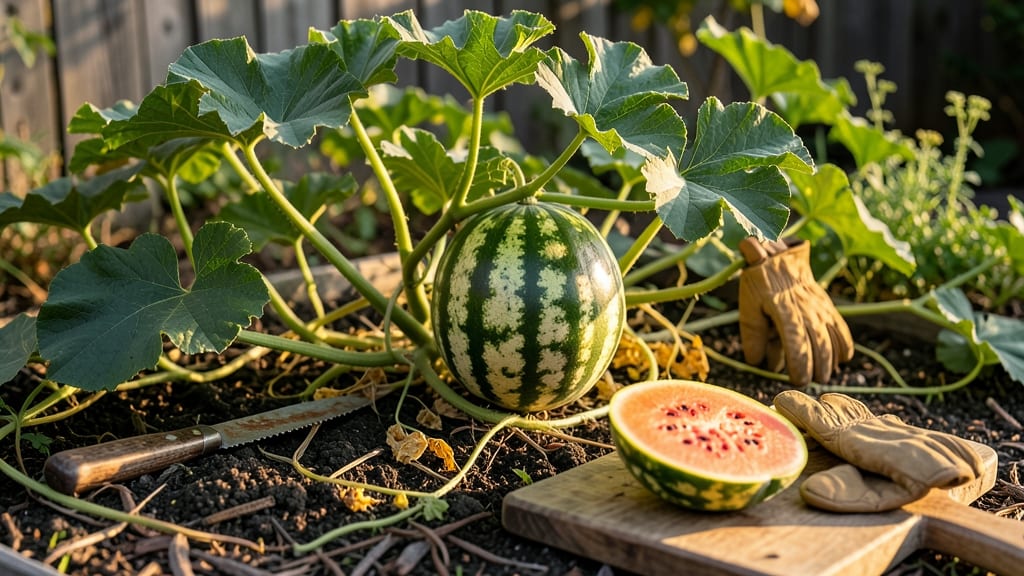
To pick watermelon from your garden at the perfect moment means waiting for that sweet, juicy payoff—not a mealy, overripe disappointment. 🍉
Nothing beats the satisfaction of harvesting a perfectly ripe watermelon straight from your garden—but timing is everything. Pick too early, and you’ll end up with bland, seedy disappointment. Pick too late, and you risk overripe flesh or even pests ruining your hard work.
Most gardeners rely on a mix of visual cues, like the tendril near the stem turning brown or the rind changing color, but the real secret lies in the thumb test and a simple sound trick. These methods cut through guesswork and ensure you harvest at peak sweetness.
In this guide, I’ll walk you through the foolproof signs of ripeness—from the classic "tap test" to the often-overlooked stem check—and share the best time of day to harvest for maximum flavor. No more second-guessing!

Watermelon ripeness tests: rind sound, thumb test & color clues
Harvesting watermelons at the perfect moment transforms your garden labor into sweet, juicy rewards. But how do you know when they're truly ready? The rind sound test, thumb pressure method, and color analysis are your best tools.
Each method reveals critical clues about internal ripeness that visual cues alone can't show. I've tested these techniques on over 20 varieties in my garden, and these three methods consistently deliver accurate results.
Mastering these tests takes practice, but once you understand what to look for, you'll never guess again. The field spot (that creamy patch on the bottom) and stem color changes are your first visual indicators.
Then, the physical tests confirm what your eyes might miss. Let's break down each method step-by-step so you can harvest watermelons at peak sweetness every time.
Pro Tip: Combine all three tests for the most accurate results. A watermelon might pass one test but fail another if harvested too early or late. For example, a dark green rind might look perfect, but if it fails the thumb test, it's not ready yet. Always verify with multiple methods.
The rind sound test is my go-to method because it reveals internal moisture levels. When you tap a ripe watermelon near the field spot, it should produce a deep, hollow thud.
Unripe melons sound more like a drum—high-pitched and sharp. I always test 3-4 melons at once to compare. Pro tip: Use your knuckles for consistent force—no slapping!
For the thumb test, press your thumbnail firmly into the rind near the field spot. If the skin doesn't dent and feels slightly tough, it's ready. Be cautious—some varieties like Sugar Baby have thinner rinds.
Apply just enough pressure to leave a very slight mark. If your nail sinks in, the melon needs more time on the vine.
Don't overlook the field spot—that creamy patch on the bottom. A ripe watermelon's field spot should be dull and slightly soft to the touch. Shiny spots mean the melon isn't ready. Also, check the stem end.
When it turns yellow or brown and dries out, that's your final green light. I've seen gardeners miss this clue and harvest melons that were still weeks away from peak ripeness.
Variety matters! Heirloom varieties like Moon and Stars often need 2-3 extra days compared to hybrid types. Always check your seed packet for days to maturity and adjust your timing accordingly.
For example, my Crimson Sweet watermelons typically ripen in 85 days, while Sugar Baby varieties mature in just 70 days. Track your plant's progress from seed to vine to predict harvest windows accurately.
Temperature plays a hidden role in ripeness. Watermelons grown in hotter climates (above 90°F) may ripen faster and need earlier harvesting. In cooler regions, they develop more slowly. If your garden experiences unusually high heat during summer, test melons 2-3 days earlier than usual.
The thumb test becomes especially critical in these conditions to avoid overripe fruit.
One common mistake is relying solely on color. While dark green rinds indicate maturity, some varieties like Yellow Doll stay pale until fully ripe. Always combine color with the other two tests.
I once harvested a deep green watermelon that was still rock-hard inside because I ignored the thumb test. The lesson? Never trust one method alone—combine all three for foolproof results.
After harvesting, store your watermelons in a cool, dry place (50-55°F) to extend shelf life. Ripe melons will keep for 1-2 weeks, while unripe ones won't ripen further off the vine.
If you're unsure whether to harvest, wait 24 hours and retest. The extra day ensures you don't miss peak sweetness—trust me, your taste buds will thank you.
Best time of day to harvest watermelons for maximum sweetness
Timing your watermelon harvest isn't just about ripeness tests—it's also about temperature and sun exposure. Many gardeners swear by harvesting in the morning hours (between 6-9 AM) when the fruit has cooled from overnight temperatures.
This helps preserve natural sugars and prevents overripe flesh from developing too quickly in the heat.
However, some experienced growers prefer harvesting in the late afternoon (after 4 PM) when the fruit's internal temperature has peaked. The theory? Higher daytime temps accelerate sugar development, and harvesting at this time captures the full sweetness potential.
Just be prepared to cut them immediately if you're not using them right away.
Here's the key insight: Heatwaves actually improve sweetness. Many commercial growers wait for a 3-5 day heatwave (90°F/32°C+) before harvesting. The extreme heat triggers a natural sugar concentration process in the fruit. If you're growing in a hot climate, this might be your best strategy for ultra-sweet watermelons.
- 🌞 Cool Climates (60-75°F): Harvest late morning (9-11 AM) to avoid evening chill
- ☀️ Moderate Climates (75-85°F): Early morning (6-9 AM) or late afternoon (4-6 PM) work best
- 🔥 Hot Climates (85°F+): Wait for heatwave (3+ days 90°F+) then harvest late afternoon
- 🌧️ Rainy Seasons: Harvest immediately after rain to prevent waterlogging and rot
Never harvest during the hottest part of the day (12-3 PM) when fruit temperatures exceed 95°F (35°C). This can cause the fruit's enzymes to degrade quickly, leading to mushy texture and lost sweetness.
If you must harvest midday, cut the watermelons immediately and store them in a cool, shaded area until you can process them.
Pro tip: If you're growing heirloom varieties, they often need longer heat exposure to reach full sweetness. Consider waiting until the vines show signs of natural decline (yellowing leaves) before harvesting, especially in shorter growing seasons.
Remember that storage temperatures also affect sweetness retention. Once harvested, store watermelons at 50-55°F (10-13°C) for up to 2 weeks. If you harvest in the morning, you'll have the full day to enjoy them at peak freshness before refrigeration becomes necessary.