
Planting
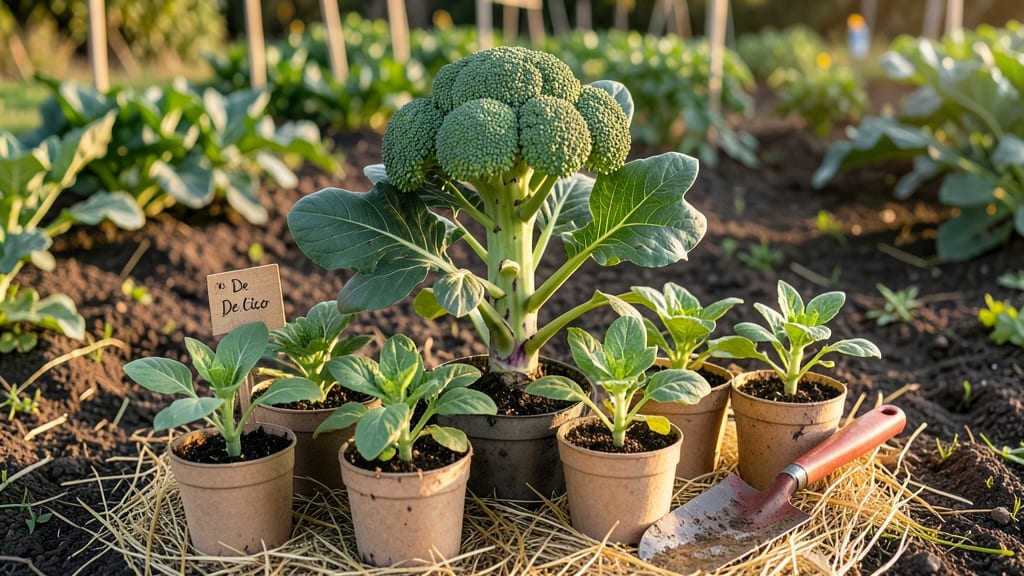
Planting a fall garden in South Texas starts now—between mid-August and mid-September—when the brutal summer heat finally backs off just enough for cool-season crops to thrive.
South Texas gardeners face a unique challenge: scorching summers and unpredictable fall weather—but timing your fall garden just right can mean the difference between a bountiful harvest and a failed plot. The key? Beat the heat while avoiding the rare early frosts that can sneak in by December.
This isn’t about guessing or following a generic calendar. We’re talking heat-tolerant varieties like Malabar spinach and okra, soil prep tricks to lock in moisture, and a week-by-week planting schedule that aligns with South Texas’ 9a-10a climate quirks.
Below, I’ll walk you through the exact windows for planting, the most reliable crops for your region, and how to stretch your harvest well into December—without losing everything to a sudden cold snap.
South Texas fall planting calendar: exact week-by-week timing for heat-tolerant crops
South Texas gardeners know that fall planting isn't just about avoiding frost—it's about working with the region's lingering summer heat and unpredictable rainfall. Unlike northern climates, your fall garden can thrive well into December if you plant at the right time.
The key is starting 6-8 weeks before your first potential frost (which rarely happens before December 1 in zones 9a-10a) or by mid-September for most heat-tolerant crops.
This week-by-week calendar focuses on okra, sweet potatoes, black-eyed peas, and malabar spinach—crops that handle South Texas' 85-95°F temperatures better than traditional fall vegetables. These plants not only survive but thrive when planted during the optimal August-October window, giving you harvests just as winter approaches.
🌱 Pro Tip: Use shade cloth (30-50%) for seedlings planted in late August to protect them from intense afternoon sun while still allowing enough light for growth.
| Crop | Planting Window | Sun Needs | Water Needs | Harvest Time |
|---|---|---|---|---|
| Okra | Late August - Early September | Full Sun (6-8 hrs) | 1-2 inches/week | October - December |
| Sweet Potatoes | Mid-August - Mid-September | Full Sun (8+ hrs) | 1.5-2 inches/week | November - January |
| Black-Eyed Peas | Early September - Late September | Full Sun (6-7 hrs) | 1 inch/week (drought-tolerant) | November - December |
| Malabar Spinach | Late August - Early October | Partial Sun (4-6 hrs) | 1 inch/week | October - January |
| Collard Greens | Mid-September - Early October | Full Sun (6 hrs) | 1-1.5 inches/week | November - December |
For okra, the late August start gives pods time to mature before temperatures drop below 70°F at night. Plant seeds ½ inch deep in well-draining soil with a pH of 6.0-6.8. If you wait until September, expect smaller yields but still productive plants.
Sweet potatoes are the early birds of this calendar—plant slips (young plants) in mid-August to take full advantage of warm soil temperatures. They need loose, sandy soil to prevent rot, so amend your beds with compost and perlite before planting. Harvest before hard frosts (rare in South Texas) or when vines yellow and die back.
💧 Watering Alert: Sweet potatoes are sensitive to inconsistent moisture. Mulch heavily with straw or pine needles to keep roots cool and hydrated during September's lingering heat waves.
Black-eyed peas thrive when planted in early September, just as daytime highs begin to dip into the mid-80s. These drought-tolerant legumes fix nitrogen in the soil, so they’re perfect for rotating crops or improving soil health for next year. Sow seeds 1 inch deep and 3 inches apart for bush varieties.
Don’t overlook malabar spinach, a heat-loving green that produces tender shoots even when temperatures hover around 90°F. Plant it late August through early October for a prolonged harvest through winter.
It grows well in partial shade, making it ideal for under trees or near fences where full sun isn’t available.
Collard greens are the cool-season workhorses of South Texas fall gardens. Start them in mid-September to avoid bolting (going to seed) from summer’s residual heat. Choose heat-tolerant varieties like Georgia Southern or Vates for best results. These greens sweeten after frost, so even a light chill in December will make them taste incredible.
🌡️ Temperature Tip: Monitor nighttime lows—when temperatures drop below 50°F, cover young seedlings with frost cloth to protect tender leaves. Most of these crops can handle light frosts, but prolonged cold will stunt growth.
To extend your harvest even further, succession plant fast-growing crops like black-eyed peas every 2-3 weeks from September through October. This ensures a continuous supply of fresh produce as summer fades into winter.
And remember—mulch is your best friend in South Texas. A 3-inch layer of organic mulch (like straw or wood chips) keeps roots cool, retains moisture, and suppresses weeds.
Best heat-tolerant fall crops for South Texas and how to extend their growing season
South Texas's long, hot summers make traditional fall crops a challenge—but with the right heat-tolerant varieties and season-extending techniques, you can still enjoy a productive garden well into October. The key is selecting crops that thrive in 85°F+ temperatures and using strategies to cool the soil and roots.
My top picks include collard greens, amaranth, and jute mallow, all of which handle our region's humid heat better than most.
Before planting, focus on soil preparation to improve moisture retention and root health. Amend your beds with 2-3 inches of compost and a 1-inch layer of mulch to shield roots from extreme temperatures.
In my USDA Zone 9b garden, I've found that drip irrigation paired with mulch keeps soil temps 10°F cooler than unprotected beds—critical for seedlings struggling in late summer.
🌱 Planting Fall Crops in South Texas: Pros and Cons
✅ DO:
- Plant in August-September to avoid peak summer heat
- Use shade cloth (30-50%) for seedlings until established
- Choose deep-rooted varieties like sweet potatoes
- Water deeply 2x/week instead of daily shallow watering
- Apply 3-inch mulch layer of straw or wood chips
❌ DON'T:
- Wait until October 1st—heat stress damages seedlings
- Skip soil testing (ideal pH 6.0-6.8 for most crops)
- Use nitrogen-heavy fertilizers (promotes leafy growth, not roots)
- Plant cool-season crops like lettuce without shade
- Ignore pest pressure from aphids/squash bugs in humid conditions
For collard greens, my go-to variety is 'Georgia Southern', which handles 95°F days with minimal bolting. I direct-sow seeds 4-6 weeks before your average first frost (even if rare in South Texas) or by mid-August for a fall harvest.
Amaranth, particularly 'Red Garnet', thrives in our heat and produces edible greens and seeds—I've seen plants reach 5 feet tall with proper care.
Jute mallow (Corchorus olitorius) is another South Texas superstar that handles our climate beautifully. This leafy green grows quickly and tolerates poor soil conditions better than most.
I harvest outer leaves first to encourage regrowth, and the plants continue producing until first hard frost (which rarely happens before December). For all these crops, succession planting every 2-3 weeks ensures a continuous harvest.
To further extend your growing season, consider low tunnels or row covers for sensitive crops. I've used floating row covers to protect bok choy and mustard greens from late-season heat spikes.
These simple structures can add 2-4 weeks to your harvest window. Pair this with drip irrigation on timers to maintain consistent moisture without overwatering—critical in our variable rainfall patterns.
Remember that South Texas's humidity increases disease risk, so always remove yellowed or diseased leaves promptly. I rotate crops annually to prevent soil-borne pathogens from building up.
With these heat-tolerant varieties and season-extending techniques, you can enjoy fresh produce from your garden well into November or December—long after many gardeners have packed it in for the year.