
Planting
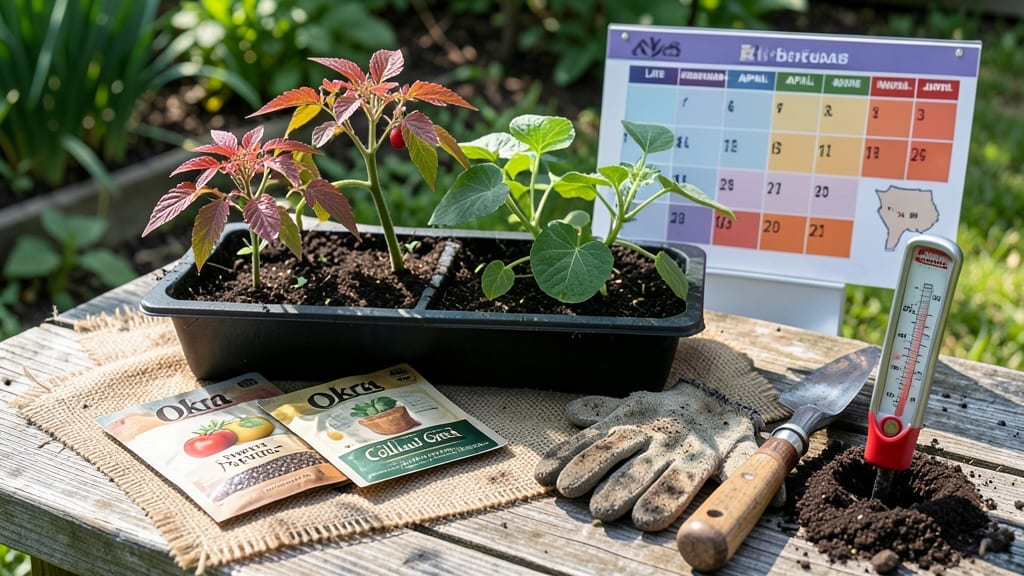
Planting a garden in Alabama at the right time means the difference between a bountiful harvest and wasted effort — especially in Zone 8a, where warm soil and quick heat can turn seeds into dust if you’re not careful.
Picture this: You’ve spent weeks prepping your soil, only to watch your seedlings bolt or wilt under unexpected heat. Alabama’s mild winters and long growing season are a gardener’s dream, but timing is everything.
Miss the March 15 average last-frost date, and you’ll regret it when your tomatoes refuse to set fruit.
Below, I break down the exact planting windows for cool-season crops like lettuce and broccoli (plant in February-March) and warm-season favorites like peppers and okra (wait until April-May when soil hits 60°F).
You’ll also discover how to adjust for Alabama’s microclimates—coastal humidity vs. northern heat spikes—and the fastest-growing vegetables to maximize your harvest before the summer slows things down.
Alabama’s planting calendar by season: exact dates for Zone 8a success
Alabama’s USDA Zone 8a offers a 210-240 day frost-free season, perfect for ambitious gardeners—but timing is critical. The average last frost date is March 15, while the first frost typically arrives around November 15.
Planting too early risks frost damage, while waiting too long may shorten harvests. Let’s break down the ideal windows for each season to maximize your garden’s potential.
Spring planting begins when soil temperatures hit 60°F for most vegetables, usually by mid-March. Cool-season crops like lettuce and broccoli can be sown as early as February under row covers, while warm-season favorites like tomatoes and peppers should wait until after April 15 to avoid chilly soil.
Summer planting focuses on heat-tolerant varieties, with okra and sweet potatoes thriving when soil reaches 75°F+.
| Season | Planting Window | Soil Temp Threshold | Key Crops | Notes |
|---|---|---|---|---|
| Spring | Feb 15 - April 15 | 50°F+ (cool crops) / 60°F+ (warm crops) | Lettuce, Broccoli, Onions, Tomatoes, Peppers | Use row covers for early plantings |
| Summer | May 1 - July 15 | 75°F+ | Okra, Sweet Potatoes, Southern Peas, Cucumbers | Mulch to retain moisture |
| Fall | Aug 1 - Sept 30 | 60°F+ | Kale, Carrots, Radishes, Spinach | Avoid planting after Sept 15 |
| Winter | Oct 1 - Nov 15 | 50°F+ | Garlic, Onions, Cover Crops | Plant garlic in Oct for spring harvest |
For fall planting, focus on cool-season crops like kale and carrots between August 1 and September 30. These plants thrive in Alabama’s mild autumn temperatures and can often be harvested before the first frost.
If you miss this window, opt for heat-tolerant varieties like Malabar spinach or Swiss chard, which can handle light frosts.
One of my favorite late-season tricks is extending the harvest with row covers or cold frames. These tools can push harvests into early December for crops like broccoli and cabbage. Just be sure to secure covers tightly to prevent wind damage during Alabama’s occasional winter storms.
If you’re new to Alabama gardening, don’t overlook soil preparation. Test your soil’s pH in late winter and amend with compost or aged manure to reach an ideal 6.0-6.8 pH.
Warm soil heats up quickly in spring, so consider using black plastic mulch to accelerate warming for warm-season crops like tomatoes.
Pro tip: Keep a gardening journal to track your planting dates and success rates. Alabama’s microclimates can vary dramatically—what works in Birmingham might need adjustments for Mobile’s coastal humidity. Note when you plant, any pests or diseases you encounter, and how long each crop took to mature.
For perennial plants, like asparagus or rhubarb, the best time to plant is early spring (March) or early fall (September). These plants establish roots slowly, so giving them a full growing season before winter ensures stronger yields.
Avoid planting perennials in summer’s peak heat, as stress can stunt their development.
Remember, Alabama’s long growing season means you can often double-crop
Top 5 fastest-growing vegetables to plant in Alabama’s short season
If you're craving quick harvests in Alabama’s Zone 8a climate, these fast-growing vegetables deliver results in as little as 25 days. With Alabama’s long growing season and warm soil, you can enjoy fresh produce without waiting months.
These top picks thrive in our heat and humidity, making them perfect for impatient gardeners or those with limited space.
I’ve selected these based on days to maturity, sunlight needs, and planting depth—all critical factors for Alabama’s short-season success. Whether you’re a beginner or a seasoned gardener, these will give you the fastest rewards while keeping your garden productive.
Pro Tip: For even faster growth, use mulch to retain soil moisture and compost to enrich the soil. Alabama’s clay-heavy soil benefits from these amendments, especially during our hot summers.
- Radishes – Ready in 25-30 days, plant ½ inch deep, full sun to partial shade. Perfect for cool-season planting (Feb-March or Sept-Oct).
- Bush Beans – Harvest in 50-60 days, sow 1 inch deep, full sun. Thrives in warm soil (70°F+), ideal for spring or fall planting.
- Lettuce (Leaf Varieties) – Ready in 30-40 days, plant ¼ inch deep, partial shade. Best for cool months (Oct-Feb) to avoid bolting.
- Okra – Harvest in 50-65 days, sow ½ inch deep, full sun. Loves heat and humidity, plant after last frost (April-May).
- Southern Peas (Cowpeas) – Ready in 55-65 days, plant 1 inch deep, full sun. Drought-tolerant and heat-resistant, perfect for summer gardens.
Radishes are my go-to for ultra-fast harvests. I’ve grown Cherry Belle and French Breakfast varieties in Alabama with stunning success—just plant them in well-drained soil and keep them consistently moist. For bush beans, try Blue Lake or Kentucky Wonder; they’re prolific and handle our heat well.
Lettuce lovers, opt for leaf lettuce like Black Seeded Simpson or Oakleaf to avoid bolting in Alabama’s spring heat. Provide afternoon shade in summer. Okra and southern peas are heat-loving powerhouses—my Clemson Spineless okra plants produce pods for weeks if given enough space and water.
To maximize speed, direct-sow seeds rather than transplanting. Alabama’s soil warms quickly, so spring planting can start as early as mid-February for cool-season crops like lettuce. For warm-season plants, wait until soil reaches 65°F+ (usually April in most of Alabama).
Don’t forget to rotate crops yearly to prevent disease and pest buildup. These fast growers will keep your garden productive and your table stocked with homegrown goodness in no time!