
Planting
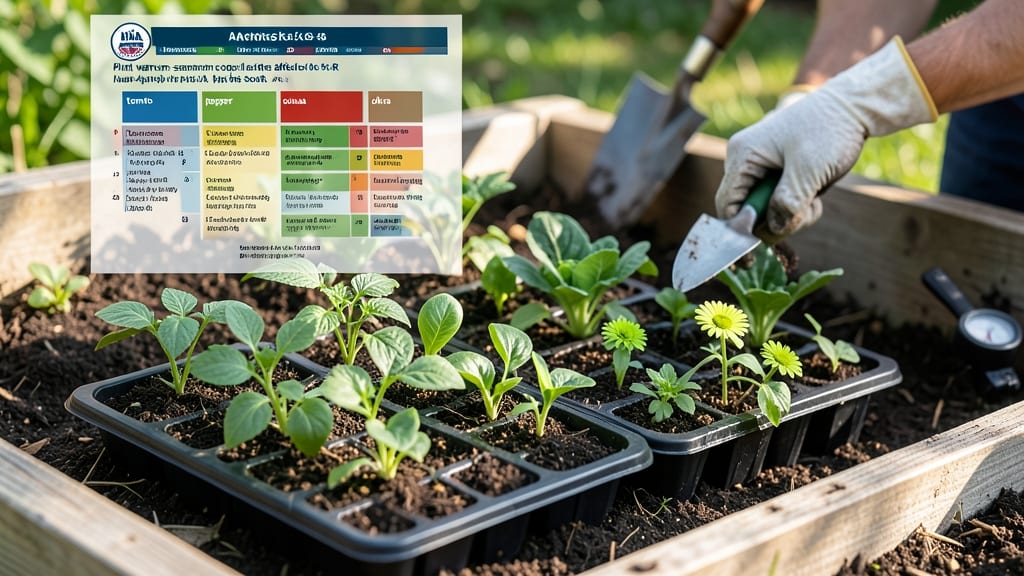
Planting a garden in Arkansas at the right time means the difference between a bountiful harvest and a sad pile of wilted seedlings — and the window is narrower than you’d think.
Arkansas gardeners know timing is everything: plant too early and risk frost, too late and miss peak harvests. With USDA Zone 7a’s unpredictable springs, mastering these deadlines ensures your tomatoes, peppers, and greens thrive before summer’s brutal heat sets in.
Cool-season crops like lettuce and broccoli need to hit the soil 4-6 weeks before your last frost, while warm-season favorites like okra and squash wait until after that frost has passed.
In Arkansas, that means starting as early as late February in the southern Delta or holding off until mid-April in the cooler Ozarks.
Below, I break down the exact deadlines by crop, soil prep tricks to speed up growth, and how to adjust for Arkansas’ wild weather swings — so you can plant with confidence and harvest faster.
Arkansas planting deadlines by month: USDA Zone 7a frost-free timeline
Arkansas gardeners face a critical window between March 15 and April 15 for last-frost dates, but your exact timing depends on whether you're in the Ozark Mountains or the Delta region.
The Ozarks often see frost linger until April 1, while the Delta warms faster, sometimes by March 10. These differences mean your cool-season crops like broccoli and warm-season plants like tomatoes need tailored schedules.
Cool-season vegetables should hit the soil 4-6 weeks before your average last frost date. For most of Arkansas, that means planting spinach and lettuce by early March.
Warm-season crops, however, need to wait until the soil reaches 60°F (15°C), typically 2-3 weeks after your last frost—usually mid-April for tomatoes and peppers.
Here’s a quick reference for Arkansas’s Zone 7a planting deadlines, adjusted for microclimates:
| Month | Cool-Season Crops (Plant Before Last Frost) | Warm-Season Crops (Plant After Last Frost) | Soil Temp Requirement | Ozarks Adjustment | Delta Adjustment |
|---|---|---|---|---|---|
| February | Onions, Peas, Spinach | None (too early) | 40-50°F (4-10°C) | Wait until late Feb | Start early Feb |
| March | Lettuce, Kale, Carrots | Peppers (start indoors) | 50-60°F (10-15°C) | Hold off until mid-March | Plant early March |
| April | Radishes, Turnips | Tomatoes, Cucumbers, Okra | 60-70°F (15-21°C) | Wait until late April | Plant mid-April |
| May | None (too hot) | Sweet Potatoes, Corn | 70°F+ (21°C+) | Standard timing | Plant early May |
| August | Fall Lettuce, Spinach | None (too late) | 60°F+ (15°C+) | Plant late August | Plant mid-August |
For Ozark gardeners, late frosts can delay planting until mid-April, so consider using frost blankets for early crops like peas. Meanwhile, Delta gardeners can push warm-season crops like okra and watermelons into the ground as early as mid-March if using black plastic mulch to warm the soil faster.
Succession planting is key in Arkansas’s short growing season. After your first frost date (usually November 15), sow spinach and radishes for a fall harvest.
For warm-season crops, start seeds indoors in February to transplant after the last frost—this gives peppers and tomatoes a head start before summer’s heat peaks.
Don’t forget to monitor soil temperatures with a thermometer. Cool-season crops need soil at 40-50°F (4-10
Top 5 Arkansas crops and their perfect planting windows
Arkansas’s diverse climate—from the Delta’s sweltering summers to the Ozarks’ cooler highlands—demands precise timing for your garden’s biggest yields. These top 5 crops thrive when planted at the right moment, balancing soil warmth and frost risks.
Whether you’re growing heat-loving watermelons or cool-season collards, local experts agree: soil temperature is your secret weapon.
For Delta gardeners, the key is beating the June heat by planting warm-season crops early. In the Ozark Mountains, cooler springs mean you can start sooner—sometimes 4-6 weeks earlier than southern Arkansas.
Let’s break down the ideal planting windows for Arkansas’s most rewarding crops, including soil temp triggers and regional tweaks to maximize your harvest.
- 1 Tomatoes: Plant after last frost (April 1–May 15) when soil hits 60°F. Delta gardeners can start 2 weeks earlier; Ozarks wait until May 1 to avoid late frosts. Use black plastic mulch to warm soil faster.
- 2 Watermelons: Direct-sow April 15–May 1 in Delta regions; Ozarks wait until May 15. Soil must be 70°F+—use row covers if nights dip below 55°F. Choose heat-tolerant varieties like ‘Crimson Sweet’.
- 3 Collard Greens: Start seeds February 1–March 15 for spring harvests or August 1–September 15 for fall. Thrives in 50–85°F soil; Ozarks can plant 3 weeks earlier than Delta. Succession plant every 2 weeks for continuous harvests.
- 4 Okra: Plant May 1–June 1 when soil is 75°F+. Delta gardeners can start April 15; Ozarks wait until May 15. Choose ‘Clemson Spineless’ for Arkansas’s humidity. Mulch heavily to retain moisture and deter pests.
- 5 Herbs (Basil, Cilantro): Basil needs 70°F+ soil—plant April 15–May 1 (Delta) or May 15–June 1 (Ozarks). Cilantro tolerates cooler temps (50–65°F); sow February 1–March 15 for spring or August 1–September 1 for fall. Shade cloth helps in 100°F+ heat.
Pro tip: Use a soil thermometer to verify temperatures—Arkansas’s unpredictable springs can delay planting by weeks. For Delta regions, prioritize early maturing varieties to escape summer’s oppressive heat, while Ozark gardeners can stretch seasons with row covers and cold frames.
Don’t overlook succession planting for crops like collards and okra. By staggering plantings every 2–3 weeks, you’ll enjoy continuous harvests instead of one-time bounty. And remember: herbs like basil bolt in Arkansas’s heat—plant them near afternoon shade or in containers for mobility.
Timing your Arkansas garden right means bigger yields, healthier plants, and less stress as the seasons shift. Master these windows, and you’ll be feasting on homegrown tomatoes, watermelons, and greens all summer long—without the guesswork. Happy planting! 🌱