
Planting
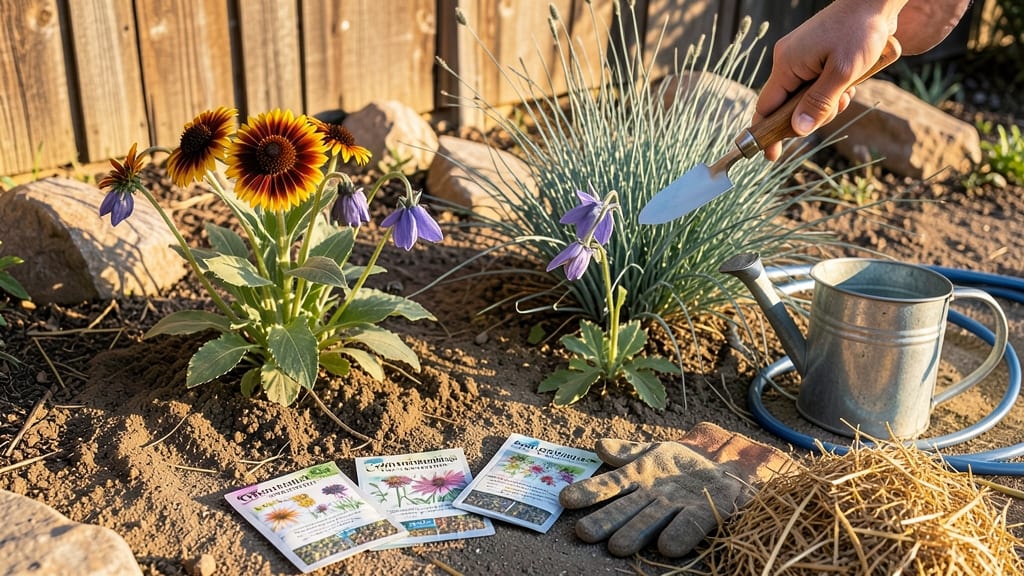
Planting a garden in Colorado means timing your seeds and starts after the last frost—usually between April 15 and May 15, depending on elevation.
But here’s the catch: Colorado’s diverse elevations turn a simple planting guide into a puzzle. At 5,000 feet, your neighbors might be harvesting tomatoes while you’re still waiting for soil to warm.
Get the dates wrong, and frost can wipe out your 🌱 General Garden before it even takes root.
This isn’t just about memorizing frost dates—it’s about matching crops to your microclimate. High-altitude gardeners in USDA Zone 5 need cold-hardy varieties like potatoes and peas, while lower elevations can handle heat-lovers like okra and sweet potatoes. The key? Adjusting your schedule by 1–2 weeks based on your specific zone.
Below, I’ll break down the perfect planting windows for Colorado’s most popular vegetables and flowers, plus how to extend your season with row covers and smart succession planting. No more guessing—just a harvest you can count on.
Colorado’s frost-free dates by elevation: planting windows for vegetables & flowers
Colorado’s diverse elevations create unique gardening challenges. At 2,000 feet in Denver, the climate differs dramatically from 8,000 feet in Colorado Springs. Understanding your last frost date and first frost date is critical to avoid losing tender plants to unexpected cold snaps.
For example, tomatoes planted too early in high-altitude zones may never recover from late frosts, while spinach thrives in cooler spring conditions.
Most Colorado gardeners fall within USDA Zones 4-7, with Zone 4 covering the highest elevations (above 7,000 ft) and Zone 7 the lower valleys (below 5,000 ft).
The average last frost date ranges from mid-April in Zone 7 to mid-June in Zone 4, while the first frost arrives as early as mid-September in high zones or as late as mid-October in lower elevations.
These timelines dictate when to plant warm-season crops like peppers and when to sow cool-season greens like kale.
Here’s a quick reference for last frost dates by elevation to help you plan:
For warm-season crops like tomatoes, peppers, and cucumbers, wait until 2 weeks after your last frost date to transplant seedlings. These plants are sensitive to cold and won’t tolerate even light frosts.
In Zone 7, this means starting seeds indoors by mid-March for a mid-May transplant, while in Zone 4, you’ll need to delay until late May or early June.
Conversely, cool-season crops such as spinach, kale, and carrots can handle light frosts and often perform best when planted 4–6 weeks before your last frost. In Denver (Zone 6), this translates to sowing seeds as early as mid-March, while in Zone 4, you might wait until late April to avoid
How to adjust planting dates for Colorado’s microclimates & soil conditions
Colorado’s dramatic elevation shifts—from 5,000 feet in Denver to 10,000 feet in mountain valleys—mean your neighbor’s perfect planting window might be a disaster for your garden.
The key is microclimate mastery: understanding how your specific location’s soil warmth, frost patterns, and slope exposure dictate when to plant. For example, a south-facing slope warms faster than a north-facing yard, while high-altitude gardens often have shorter growing seasons by 30–50 days.
Even within the same city, a lowland area (like Pueblo at 4,700 feet) can support tomatoes and peppers 2–3 weeks earlier than a high-elevation garden (like Fort Collins at 6,000 feet).
The solution? Adjust planting dates by 1–2 weeks per 1,000 feet of elevation and use soil thermometers to confirm readiness. Cold soil delays germination, while black plastic mulch can warm soil by 5–10°F in just days.
- 1
- 2
- 3
- 4
- 5
One of the biggest mistakes Colorado gardeners make is ignoring soil temperature. A 60°F soil is ideal for warm-season crops, but cool-season crops like spinach germinate best in 45–55°F soil.
Use a soil thermometer ($10 at garden centers) to test depth—1 inch deep for seeds, 2–3 inches for transplants. If your soil is too cold, try straw mulch to insulate roots or plant in raised beds, which warm up faster.
For high-elevation gardens, focus on fast-maturing varieties and cold-tolerant crops. Potatoes, carrots, and radishes are excellent choices above 7,000 feet, while lowland gardens can handle sweet potatoes and okra.
Pro tip: Start seeds indoors 4–6 weeks before your last frost date to give seedlings a head start in shorter seasons.
Finally, observe your microclimate for 2–3 years to refine your planting schedule. Note where frost pockets form, how wind affects young plants, and which areas retain heat longest.
With these adjustments, you’ll avoid common pitfalls like frost damage or blossom-end rot (from inconsistent soil temps) and enjoy a longer, more productive harvest. 🌱