
Planting
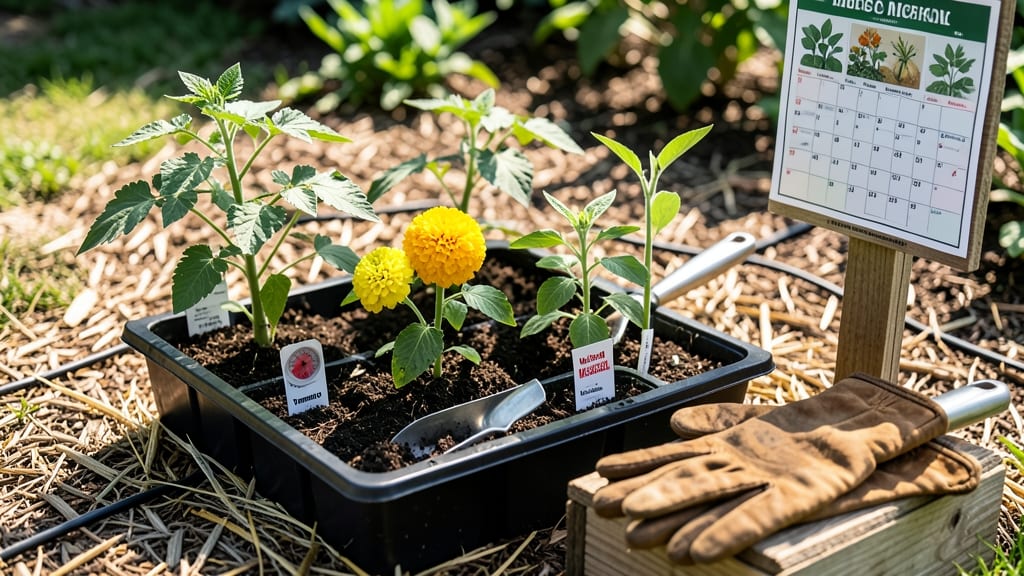
To plant a garden in Missouri, time your seeds and transplants around the last frost date—typically mid-March in most zones, but earlier in southern Missouri.
Missouri’s unpredictable spring weather can turn even the most eager gardener into a second-guesser—plant too early, and frost will strike; too late, and you’ll miss peak harvests. But with the right frost dates and planting zones, you can time your garden like a pro.
Cool-season crops like lettuce and spinach thrive when planted 4-6 weeks before the last frost, while warm-season favorites such as tomatoes and peppers need soil temperatures of at least 60°F to take off.
Below, I break down the ideal planting windows for Missouri’s USDA zones 5b-7a, how to adjust for microclimates, and which crops to prioritize for your region’s unique growing season.
Missouri frost dates by planting Zone: when to start seeds and transplant
Missouri spans USDA Planting Zones 5b through 7a, creating distinct frost patterns across the state. Understanding these zones helps you time seed starting and transplanting with precision.
In northern Missouri (Zone 5b), last frosts average April 15, while southern areas (Zone 7a) see them as early as March 15. This variation means your cool-season crops like spinach or peas might thrive in one region but risk frost damage in another.
To avoid common mistakes, I use a simple 10-day rule after the last frost date. Wait 10 days past your zone’s average last frost before transplanting warm-season crops like tomatoes or peppers.
This buffer accounts for late frosts—especially critical in Missouri’s unpredictable spring weather. For example, if Zone 6a’s last frost is April 1, I wait until May 11 to transplant heat-loving plants.
Here’s how to use Missouri’s frost dates for your garden planning:
For cool-season crops like broccoli or kale, start seeds 4-6 weeks before your zone’s last frost date. In Zone 5b, that means beginning indoors by March 1, while Zone 7a gardeners can start as early as January 15.
These crops tolerate light frosts, but avoid planting outdoors until soil temperatures stay above 40°F consistently.
Warm-season crops such as peppers and cucumbers need warmth to thrive. I always check soil temperatures—wait until they hit 60°F before transplanting. In my Zone 6a garden, this typically aligns with mid-May, but I’ve used row covers to extend the season for early plantings.
Missouri’s microclimates add another layer of complexity. Valley areas like the Ozarks often experience later frosts, while urban heat islands in St. Louis can push last frosts 2 weeks earlier. To adapt, I monitor local weather stations and use frost-free date calculators from the Missouri Botanical Garden.
Pro tip: Use succession planting for crops like lettuce. After harvesting your first batch in early spring, replant seeds every 2-3 weeks until mid-summer. This ensures a continuous harvest without overlapping with warm-season crops. In Zone 6a, I’ll make 3-4 succession plantings of lettuce between March and July.
Don’t forget about fall planting! Many crops like spinach and radishes thrive in cool autumn weather. In my garden, I plant these in late August for a harvest before the first frost. The key is timing—aim for seeds to germinate and grow before temperatures drop below 50°F at night.
For gardeners in Zone 5b, extend your season with cold frames or low tunnels. These protect tender plants from late frosts and can add 2-3 extra weeks of growing time.
I’ve used them to grow bush beans in early spring and kale in fall, pushing my harvest windows significantly.
Missouri’s frost dates might seem daunting, but with this zone-specific approach, you’ll avoid common mistakes and maximize your garden’s potential. Start seeds at the right time, transplant after the 10-day buffer, and adapt to your local microclimate. Soon, you’ll be harvesting like a pro—no more guessing games! 🌱
Best planting schedule for Missouri’s top vegetables and flowers
Missouri’s diverse microclimates mean your northern garden (like St. Louis) may have 2 weeks earlier planting windows than southern Missouri (like Springfield). For continuous harvests, I’ve broken down the best timing for tomatoes, peppers, lettuce, beans, and perennials—plus how to adjust for your zone.
Start with cool-season crops like lettuce and peas as early as late February to March in southern Missouri, while northern areas should wait until mid-March. Warm-season plants like tomatoes and peppers need to wait until after the last frost (typically mid-April to early May), when soil temps hit 60°F+.
Succession planting is key for continuous harvests. For example, sow lettuce every 2 weeks from March to August, while beans and cucumbers thrive with late May to June plantings. Perennials like lavender and coneflowers should go in early spring or fall for the best root establishment.
- 🌱 Lettuce & Spinach: Plant 4-6 weeks before last frost (late Feb–March in south, March–April in north). Succession plant every 2 weeks until July for fall harvests.
- 🍅 Tomatoes & Peppers: Wait until soil is 60°F+ (mid-April–May). Start indoor seeds 6-8 weeks early for transplants.
- 🌿 Beans & Peas: Direct-sow after last frost (April–May). Bush beans thrive in cool summer heat; pole beans need trellises.
- 🌼 Marigolds & Zinnias: Sow after frost risk (April–May) for summer blooms. Deadhead regularly for continuous flowers.
- 🌳 Perennials (Coneflowers, Lavender): Plant early spring or fall (March–April or September–October) for strong root growth before dormancy.
For northern Missouri, add 10-14 days to these timelines—frost lingers longer in areas like Columbia or Kansas City. In southern Missouri, you can push warm-season crops slightly earlier, but avoid planting tomatoes or peppers until May 1 to dodge late frosts.
Pro tip: Use row covers to extend your spring planting window by 2-3 weeks for cool-season crops. For perennials, amend soil with compost in fall to give roots a head start in spring.
With this schedule, you’ll enjoy fresh lettuce in May, tomatoes by July, and fall flowers until frost. Happy planting! 🌻