Planting
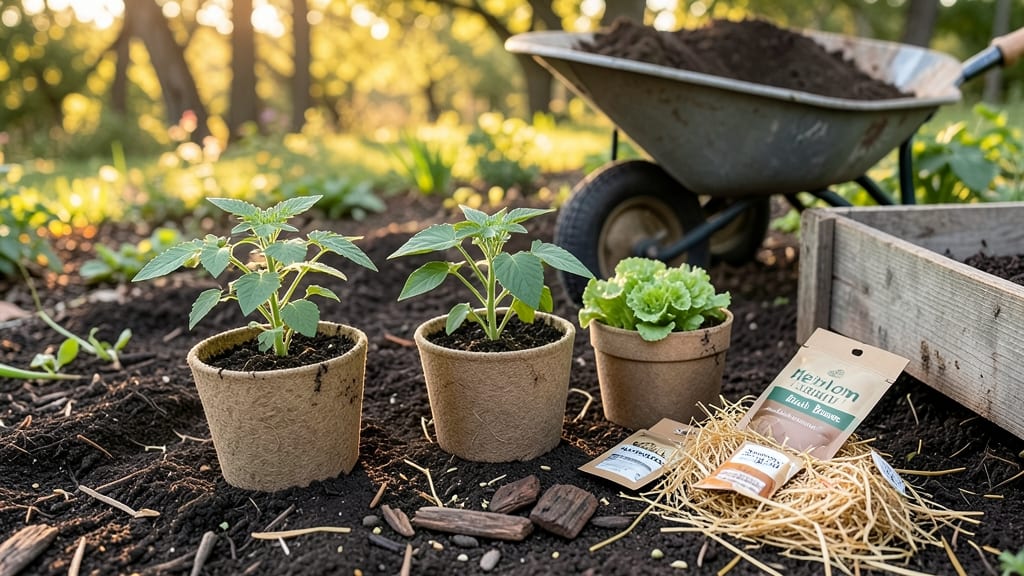
Planting a garden in North Carolina requires timing it right—cool-season crops like lettuce and spinach need to go in 4-6 weeks before your last frost, while tomatoes and peppers wait until 2-3 weeks after.
North Carolina’s diverse climate means your garden’s success hinges on knowing the exact frost-free window for your county—plant too early, and frost will strike; too late, and you’ll miss peak harvests.
In Zone 7a-8b, that window shifts from the Coastal Plain to the Mountains, with last frosts ranging from mid-March to early April.
Whether you’re sowing 🌱 General Garden Vegetables in March or waiting for August’s fall planting rush, getting the timing wrong can mean stunted growth or wasted seeds. Below, I’ll break down the ideal planting schedule by region, plus pro tips to stretch your growing season.
You’ll learn how to adjust for microclimates, avoid common mistakes, and pick the best varieties for your county—so your garden thrives from spring to fall.
NC’s frost-free dates by region: when to plant cool vs warm season crops
North Carolina’s three distinct climate zones—Coastal Plain, Piedmont, and Mountains—create wildly different frost-free windows.
In Coastal counties like Craven and Carteret, you can plant warm-season crops like tomatoes and peppers as early as February 20th, while Mountain regions like Haywood and Mitchell often wait until May 1st to avoid late frosts.
Understanding these regional variations is key to avoiding frost damage or wasted seeds.
For cool-season crops like broccoli and spinach, Coastal gardeners can start seeds indoors in January, while Mountain gardeners should wait until March 15th. The Piedmont region, including Wake and Guilford counties, falls somewhere in between with last frost dates around March 25th.
These timelines ensure your plants establish roots before unpredictable spring frosts strike.
Here’s a county-by-county breakdown of North Carolina’s 2024 frost-free windows, including last frost, first frost, and ideal planting windows for both cool and warm-season crops. Use this as your garden planning bible to maximize harvests.
In Coastal North Carolina, where winters are mild, you can plant warm-season crops like peppers and eggplants as early as February 20th. This early start gives you a longer growing season for crops like sweet potatoes and okra, which thrive in the heat.
However, even Coastal areas can experience late frosts, so always monitor local weather forecasts and have row covers ready.
For Piedmont gardeners, the March 25th last frost date is your green light for planting warm-season crops like tomatoes and cucumbers.
If you’re eager to start earlier, opt for cold-hardy varieties like cherry tomatoes or pepper plants that can tolerate light frosts. Cool-season crops like kale and carrots can be sown as early as February 15th indoors or under protective covers.
Mountain regions like Haywood and Mitchell counties have the latest last frost dates—often May 1st—due to their higher elevations. This means warm-season crops like beans and squash should wait until mid-May to avoid frost damage.
However, the shorter growing season in the Mountains makes early planting of cool-season crops like spinach and lettuce in March essential for a successful harvest.
One critical tip for all NC gardeners: Adjust planting dates based on microclimates within your region. For example, valleys in the Mountains can frost earlier than south-facing slopes.
Similarly, urban areas in the Piedmont may experience warmer microclimates than rural spots. Use local weather stations or community garden forums to fine-tune your planting schedule.
If you’re
How to adjust your planting schedule for NC’s microclimates
North Carolina’s mountains, Piedmont, and coastal plains create wildly different growing conditions—even just 50 miles apart. If you plant tomatoes in the Asheville area when your neighbor in Wilmington does, you might end up with frost-nipped leaves instead of juicy harvests.
The key? Microclimate adjustments that extend your season without risking damage.
Start by identifying your local frost pockets—valleys and low-lying areas freeze faster than hillsides. Use row covers (like floating fabric) to add 4-8°F protection for early spring plantings, or opt for cold-hardy varieties like 'Winter Density' kale or 'Arctic King' broccoli, which thrive in 25°F temperatures.
These tweaks let you plant 2-4 weeks earlier than the average frost date.
For fall gardens, prioritize fast-maturing varieties like 'Early Girl' tomatoes (50 days) or 'Sugar Snap' peas (60 days) to harvest before the first frost. In higher elevations, consider hoop houses to push harvests into December—I’ve grown spinach under row covers until Christmas in Boone!
Don’t overlook soil warmth—test it with a soil thermometer (50°F+ for warm-season crops).
In cooler Piedmont zones, wait until mid-April for peppers, while coastal areas can plant by March 15th. Microclimates matter more than zip codes—observe your yard’s sun/shade patterns for 3 years to refine your schedule.
Pro tip: Interplant warm and cool crops—start lettuce between tomato plants in early summer. As the tomatoes shade out the lettuce, harvest the greens and replant with fall radishes. This double-duty planting maximizes your 200+ frost-free days in most of NC.
🌱 With these adjustments, you’ll turn NC’s climate quirks into a longer, more productive growing season—no matter where you garden.