
Planting
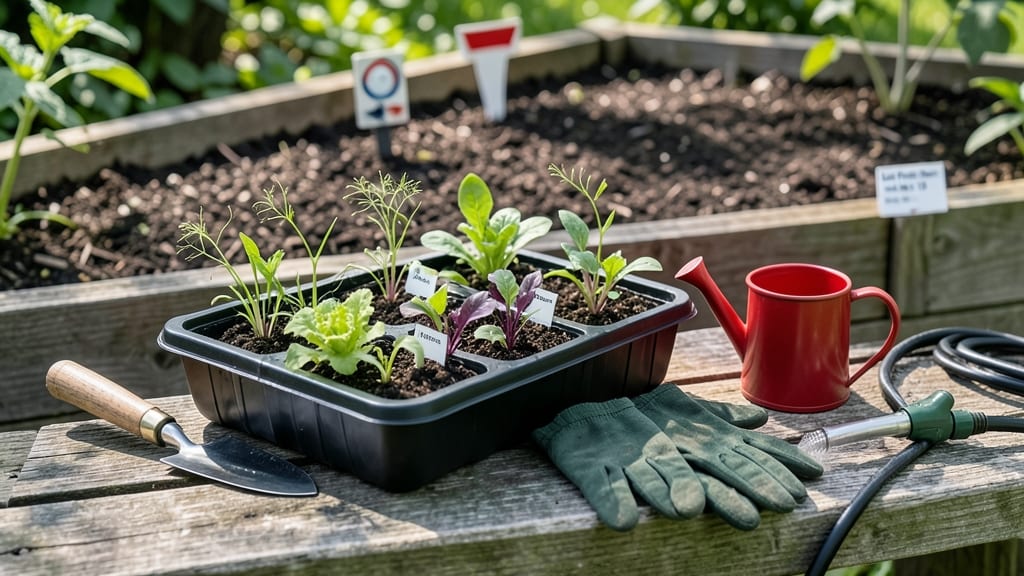
Planting a garden in New Brunswick means timing your crops to avoid late frosts and maximize your 165 frost-free days—and getting it wrong can leave you with wilted seedlings or a short harvest.
In my first year, I planted tomatoes in early May, only to watch them turn to mush when a surprise frost hit at the end of the month.
Since then, I’ve learned that late April to mid-May is the sweet spot for most vegetables, but flowers and perennials can go in as early as March if you’re in a sheltered spot.
New Brunswick’s USDA Zone 5b climate means cool springs and early falls, so knowing which crops thrive in each season is key. Cool-season plants like spinach and peas can handle early planting, while warm-season favorites like tomatoes and peppers need to wait until all frost risk has passed.
Below, I’ll break down the best planting windows for your region, whether you’re growing in the ground or containers, and how to stretch your season with simple tricks like row covers.
New Brunswick’s frost-free dates by region: when to start planting cool-season vs. warm-season crops
New Brunswick’s frost-free dates vary dramatically by region, making precise timing critical for your garden’s success.
In Fredericton, the last frost typically arrives around May 15, while Saint John sees its final frost slightly later, near May 20. Moncton usually warms up by May 10, and rural areas can experience frost until June 1 in colder microclimates.
These differences mean your cool-season crops like lettuce and peas can start as early as March indoors, but warm-season crops like tomatoes and peppers must wait until after the last frost.
Understanding your USDA hardiness zone (primarily Zone 5b in most of New Brunswick) helps narrow down planting windows. However, microclimates—like south-facing slopes or urban heat islands—can shift your frost dates by 1-2 weeks.
For example, a garden near a large body of water may stay cooler longer, delaying planting by up to 10 days. Always monitor local weather forecasts and use frost-sensitive plants like basil as early warning systems.
For cool-season crops like lettuce, spinach, and peas, start seeds indoors 4-6 weeks before your region’s last frost date. In Fredericton, that means mid-March for early varieties, while rural gardeners should wait until early April.
These crops thrive in cooler temperatures (40–75°F) and can even tolerate light frosts. Transplant seedlings outdoors 2-3 weeks before the last frost, hardening them off gradually to avoid shock.
Warm-season crops, including tomatoes, peppers, and cucumbers, demand consistent warmth (above 50°F) and should only be planted after your area’s last frost. In Saint John, that’s late May, but in Moncton, you can start as early as mid-May. Use row covers or cold frames to protect tender seedlings if nighttime temperatures dip below 45°F. For a head start, sow seeds indoors 6-8 weeks before the last frost date, then transplant carefully once the soil warms.
Don’t overlook fall planting—New Brunswick’s growing season extends well into September in most regions. Cool-season crops like kale, broccoli, and radishes can be sown as early as mid-August in Fredericton and early September in rural areas.
These late plantings benefit from longer daylight and cooler nights, reducing stress on the plants. Just be sure to use fast-maturing varieties to harvest before the first frost.
If you’re unsure about your local frost dates, consult the New Brunswick Department of Agriculture or use a frost calendar from your local garden center. Many regions also offer community gardening resources with shared frost data.
For example, the Fredericton Garden Club tracks frost dates annually and shares updates on their website. Pro tip: Plant a frost-sensitive crop like basil as a test—if it survives overnight, you’re likely safe to plant warm-season crops!
Microclimates play a huge role in New Brunswick’s gardening success. A <
Best crops to plant in early spring, late spring, and summer in New Brunswick’s climate
New Brunswick’s cool maritime climate means your planting schedule must balance early frost risks with warm-season warmth. The key is knowing which crops thrive in chilly early spring and which need summer heat to flourish.
With the right timing, you can enjoy fresh spinach in May and sweet corn in August—without losing your harvest to late frosts.
Start with cold-hardy crops like spinach and radishes as soon as the soil is workable (4–6°C/40–45°F), typically by late April in most regions. These fast-growing greens can handle light frosts and give you an early harvest before summer heat sets in.
Transition to warm-season lovers like beans and cucumbers only after the last frost date (usually mid-May), when soil temperatures consistently stay above 10°C (50°F).
🌱 Seasonal Planting Guide for New Brunswick
- Early Spring (Late April): Spinach, Radishes, Peas, Lettuce, Kale (cold-hardy, 4–6 weeks to harvest)
- Late Spring (Mid-May): Green Beans, Cucumbers, Zucchini, Peppers, Tomatoes (warm-season, after last frost)
- Summer (June–July): Sweet Corn, Squash, Melons, Herbs (basil, dill) (full sun, 6–8 hours/day)
- Succession Tip: Plant radishes every 2 weeks for continuous harvests. Replace spinach with cucumbers as soil warms.
- Cold Protection: Use row covers for early tomatoes or cold frames to extend fall harvests into September.
For early spring planting, focus on fast-maturing crops like radishes (ready in 3–4 weeks) and spinach (harvest in 4–6 weeks). These thrive in cool temperatures and can even survive light frosts.
Once the last frost date passes, switch to heat-loving plants like cucumbers and beans, which need consistent warmth to produce.
In summer, prioritize heavy feeders like corn and squash, which need fertile soil and plenty of water. Mulch heavily to retain moisture and prevent weeds. For herbs like basil, pinch off flowers to encourage leaf growth—this keeps them productive all season.
Don’t forget succession planting! By staggering planting dates every 2–3 weeks, you can enjoy continuous harvests of lettuce, radishes, and beans throughout the growing season. This strategy maximizes your garden’s productivity and ensures you’re never without fresh produce.
With New Brunswick’s short growing season, every week counts. Start early with cold-hardy crops, transition to warm-season plants after frost, and keep harvesting until first frost (usually mid-October). A well-timed garden here rewards you with abundant harvests—even in a cool climate! 🌿