
Planting
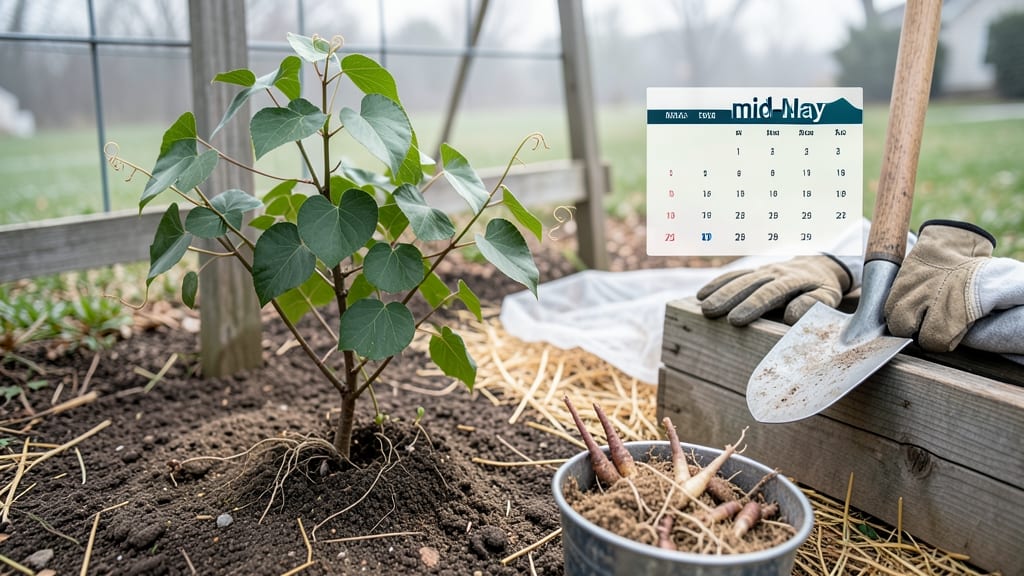
Planting a garden in North Dakota means timing is everything—get the dates wrong, and you risk frost-killed seedlings or missed harvests in your Zone 4a climate.
North Dakota’s short growing season demands precision—plant too early and risk frost, too late and miss peak harvests. Mastering the exact planting dates for cold-hardy crops can double your garden’s success rate, even in Zone 3-4 climates.
With last frosts lingering around May 10 and first frosts creeping in by September 20, you’ve got just 120 frost-free days to work with. That’s why knowing when to sow seeds, transplant seedlings, and extend your season is the key to a thriving 🌱 General Garden.
Below, I break down the ideal planting windows for everything from hardy greens to warm-season favorites, plus strategies to stretch your harvests by weeks—no greenhouse required.
North Dakota planting calendar: exact dates for cold-hardy crops by month
North Dakota’s Zone 3-4 climate means your planting window is tight—just 120 frost-free days on average. Missing the May 10–20 last frost date can devastate tender crops, while planting too late cuts harvests short. The key? Strategic timing based on soil temps and microclimates (like south-facing beds warming faster).
I’ve broken down month-by-month planting for cold-hardy crops, including soil temperature thresholds and adjustments for North Dakota’s first fall frost (Sept 15–Oct 1). Whether you’re growing hardy greens or short-season tomatoes, these dates maximize your yield in the 90-day growing season.
Pro Tip: Use black plastic mulch to warm soil 2–3°F faster in spring, or straw mulch to insulate roots before fall frost. Microclimates near buildings or fences can extend your season by 1–2 weeks—take advantage!
| Month | Plant Type | Soil Temp (°F) | Exact Dates | Notes |
|---|---|---|---|---|
| April | Cold-Hardy Greens | 35–45°F | Mid-April (under frost cloth) | Spinach, kale, peas tolerate light frost |
| May | Root Crops | 40–50°F | May 1–15 (after frost) | Potatoes, carrots, beets thrive in cool soil |
| June | Warm-Season Starts | 55–65°F | June 1–15 (soil >50°F) | Tomatoes, peppers, cucumbers (use row covers) |
| July | Succession Planting | 60–70°F | July 1–31 (every 2 weeks) | Lettuce, radishes, bush beans for fall harvest |
| August | Fall Prep Crops | 50–60°F | Aug 1–15 (soil >45°F) | Broccoli, cabbage, turnips for late-season harvest |
| September | Hardy Perennials | 40–50°F | Sept 1–15 (before frost) | Asparagus crowns, strawberries (Zone 3 varieties) |
May is your golden month—start cold-hardy crops like peas and spinach as soon as soil thaws (mid-April), but wait until May 10–20 for warm-season crops like tomatoes. Use a soil thermometer to confirm temps: 50°F+ for tomatoes, 40°F+ for potatoes.
For succession planting, sow radishes every 2 weeks from June through August to ensure continuous harvests. Bush beans and zucchini love the heat—plant them by June 15 for a 90-day harvest
Top 10 cold-hardy vegetables that thrive in North Dakota’s short season
North Dakota’s short 90-day growing season makes selecting the right crops critical. These 10 cold-hardy vegetables are proven winners in Zone 3-4 climates, offering high yields when planted at the perfect time. Their frost tolerance and fast maturation ensure success even with late frosts or early cold snaps.
From leafy greens that survive light frosts to root vegetables that store well, these crops maximize your harvest window. Pair them with companion plants to deter pests and boost growth—critical in ND’s limited frost-free period.
Let’s dive into the science-backed lineup that’ll keep your table stocked from June through October.
Each of these cold-hardy vegetables has been selected for its ability to tolerate 28°F temperatures or lower, with some even improving in flavor after light frosts. For example, kale and spinach become sweeter when exposed to 25-30°F nights, a natural sweetening process triggered by cold stress.
Plant these leafy greens as early as mid-April under row covers or directly in the soil.
Root crops like carrots and potatoes should go into well-drained soil when temperatures reach 50°F. Potatoes, in particular, benefit from early planting (late April) to establish tubers before