
Planting
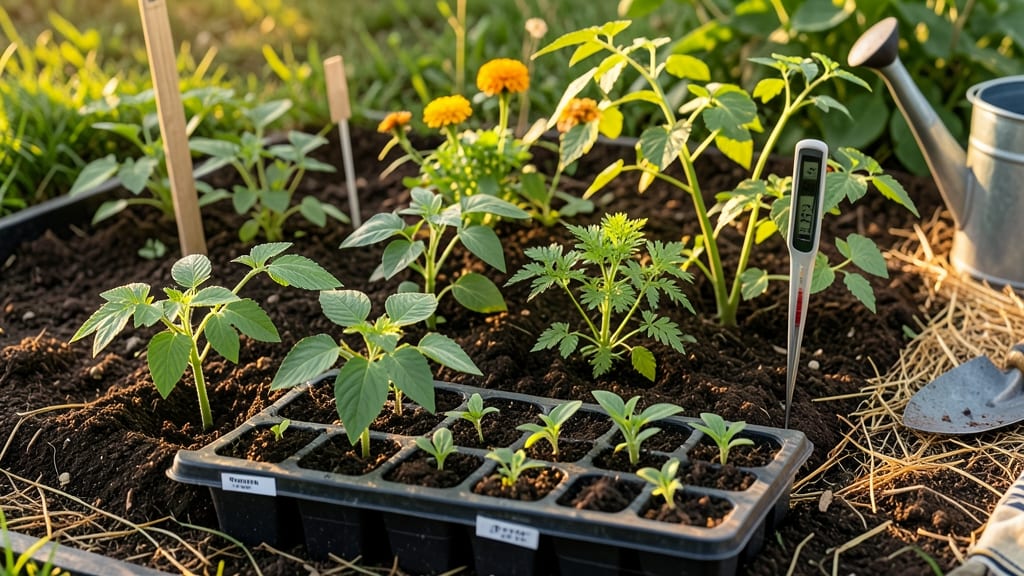
Planting a garden in Ohio means timing your spring starts after the last frost—usually around mid-April—so your 🌱 seedlings don’t turn into sad, icy snacks.
Ohio’s weather is famously fickle: one day it’s 60°F, the next it’s snowing. Miss the window, and you’ll end up with stunted veggies or, worse, a garden that bolts before summer even arrives.
But get it right, and you’ll have a harvest so bountiful, your neighbors will ask for cuttings.
This isn’t just about memorizing a date—it’s about knowing your USDA Zone 6a quirks, whether you’re in Cleveland’s chilly north or Cincinnati’s slightly milder south. Some plants, like peas, can handle a light frost, while others, like tomatoes, need the heat to set fruit.
Below, I break down the exact planting schedule by plant type, from cool-loving lettuce to heat-hungry peppers, plus pro tips to stretch Ohio’s short growing season. No more guesswork—just thriving gardens.
Ohio’s frost-free planting zones: key dates by region
Ohio’s gardening success hinges on understanding its three distinct microclimates—Northern, Central, and Southern regions—each with unique last frost dates and USDA hardiness zones. These zones (ranging from 5a to 7a) dictate when to plant cool-season crops like spinach versus warm-season favorites like tomatoes.
For example, Cleveland (Zone 5b) averages its last frost on May 10, while Cincinnati (Zone 6b) typically warms up by April 15. These differences can mean the difference between a bountiful harvest and a frost-killed garden.
To navigate Ohio’s unpredictable spring weather, I rely on historical frost data from the Ohio State University Extension, which tracks 30-year averages.
However, I always recommend checking local forecasts (like the National Weather Service) for real-time updates, as late frosts can occur as late as May 20 in Northern Ohio.
For instance, Toledo (Zone 6a) might experience a 5°F dip in late April, while Columbus (Zone 6a) generally stays frost-free by April 20.
Here’s how Ohio’s regions break down for spring planting, including city-specific examples and hardiness zone details to help you time your garden perfectly:
For Northern Ohio gardeners, I recommend starting cool-season crops like lettuce and spinach indoors in March and transplanting after the last frost. In Central Ohio, where the window is wider, you can direct-sow radishes as early as March 15 and transition to tomatoes by May 1.
Meanwhile, Southern Ohio’s earlier frost-free dates allow for two full growing seasons—plant fall crops like kale as early as July 15.
Adjust your schedule for early vs. late varieties. For example, in Cleveland (Zone 5b), opt for fast-maturing tomatoes like ‘Early Girl’ (55 days) to beat late frosts, while in Cincinnati (Zone 6b), you can try ‘Brandywine’ (80 days) with confidence.
Always check seed packets for days to maturity and count backward from your first frost date to avoid disappointment.
Microclimates within cities also matter. Urban areas like Columbus can have 5°F warmer pockets near buildings or bodies of water. If you’re unsure, I suggest planting a few extra seeds or using heat-loving varieties like ‘Sweet Banana’ peppers, which tolerate slight temperature fluctuations. For high-value crops like as
Best planting calendar for Ohio vegetables, Flowers, and herbs
Ohio’s short but vibrant growing season demands precision—plant too early, and frost will nip your seedlings. Too late, and you’ll miss peak harvests. The secret? A month-by-month planting calendar tailored to Ohio’s cool-season hardiness and warm-season heat tolerance.
I’ll break down exactly when to sow each category, including Ohio-specific varieties that thrive despite our unpredictable weather.
Start with cool-season crops like spinach and peas in early spring, then transition to warm-season staples (tomatoes, peppers) after the last frost. Don’t forget perennials like asparagus and lavender, which need special timing for long-term success.
Succession planting is your best friend here—it stretches harvests and maximizes your garden’s potential.
- 🌿 Cool-Season Crops (March-April): Plant spinach, peas, and kale 4-6 weeks before last frost (early March). Use cold-hardy varieties like 'Early Wonder' peas or 'Bloomsdale Long Standing' spinach.
- ☀️ Warm-Season Staples (May-June): Wait until soil hits 60°F+ (mid-May in most of Ohio) to plant tomatoes, peppers, and cucumbers. Try 'Early Girl' tomatoes or 'Jupiter' peppers for faster maturation.
- 🌼 Flowers & Herbs (April-June): Sow marigolds and basil after last frost (early April). For perennials like lavender, plant in spring or early fall to establish roots before winter.
- 🌱 Succession Planting (June-August): Replace harvested lettuce with bush beans or radishes every 2-3 weeks. For tomatoes, stagger plantings every 2 weeks for continuous harvests.
- 🍂 Fall Planting (August-September): Direct-sow broccoli, carrots, and kale 8-10 weeks before first frost (early September). Use short-day onions like 'Texas Early White' for fall harvests.
- 🌿 Perennials (Spring/Fall): Plant asparagus crowns in early spring (March) or early fall (September) for best establishment. Rhubarb thrives when planted in spring with well-drained soil.
- ⏰ Frost Watch: Monitor local forecasts—northern Ohio’s last frost averages May 15, while southern Ohio sees it by April 15. Adjust planting dates accordingly.
Ohio’s microclimates mean your neighbor’s schedule might not match yours. Northern Ohio (e.g., Cleveland) has a shorter season, so opt for early-maturing varieties like 'Early Girl' tomatoes or 'Sugar Snap' peas.
Southern Ohio (e.g., Cincinnati) can push warm-season crops slightly earlier—just be ready to protect seedlings if late frosts hit.
Pro tip: Use row covers or cold frames to extend your cool-season window by 2-3 weeks. For warm-season crops, wait until nighttime temperatures stay above 55°F—this prevents blossom drop in tomatoes and peppers.
I’ve had the best luck with succession planting of lettuce and radishes; sow every 2 weeks from May through July for nonstop harvests.
Don’t overlook herbs like dill and cilantro—they bolt quickly in Ohio’s heat. Plant them in early spring or late summer for the best flavor. For perennials, asparagus takes 2-3 years to establish but rewards you with harvests for decades.
Start with 1-year-old crowns in well-drained soil, and avoid planting in low spots where frost lingers.
Ohio’s fall garden is often overlooked but can be just as productive. Plant garlic in October for next summer’s harvest, and sow spinach and carrots in early September. With the right timing, you’ll enjoy fresh greens well into November—just cover them with frost blankets when temperatures dip below 25°F.