
Planting
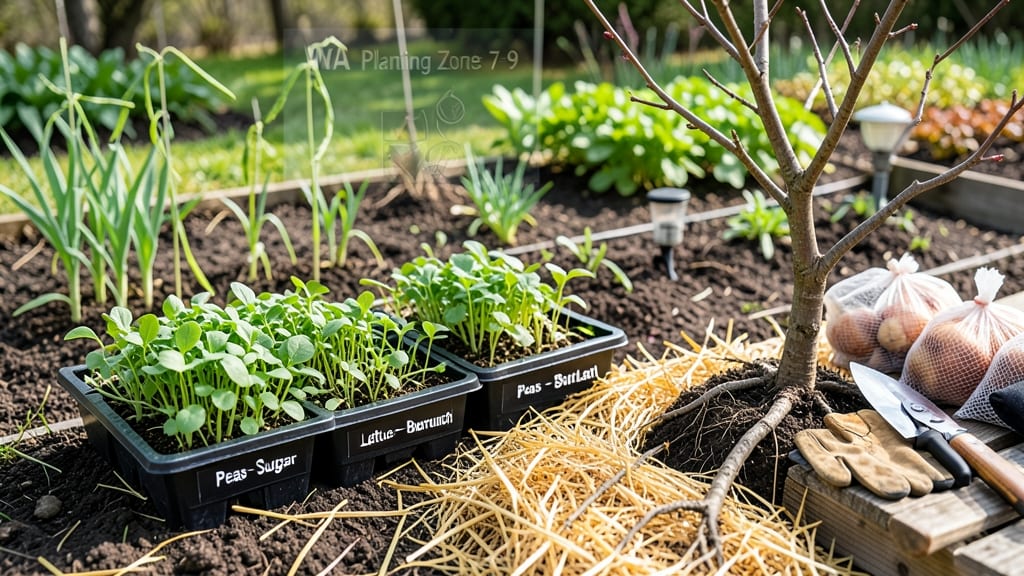
Planting a garden in Washington State depends on your exact location, since zones 7 through 9 can mean wildly different frost dates and growing seasons.
Picture this: A Puget Sound garden thrives with spring seedlings in March, while Eastern Washington’s high-desert valleys need to wait until May to avoid frost. Get the timing wrong, and your hardened-off seedlings could face bolted greens or frozen roots.
This guide breaks down the zone-specific windows for vegetables, flowers, and perennials—plus how to adjust for microclimates, altitude, and unpredictable weather. No more guessing when to plant.
You’ll learn the exact frost-free math for your area, the best crops for each season, and pro tips to extend your growing window with row covers and cold frames.
Washington State planting Zones: last frost dates by region
Washington State spans USDA hardiness zones 7-9, creating wildly different planting schedules from the rainy Puget Sound to the dry Columbia Basin.
In Zone 7 (eastern WA), last frost typically arrives by May 15-30, while Zone 9 (south-central WA) sees frost-free conditions as early as March 15. These differences mean your hardened-off seedlings need precise timing to thrive.
For Puget Sound gardens (Zones 7b-8a), the average last frost falls between April 20 and May 10. This coastal region benefits from moderate temperatures and higher humidity, but late frosts can still occur. Inland areas like Spokane and Wenatchee (Zone 7a) often wait until May 15-25 for safety.
Understanding these microclimates is key. A south-facing slope in Zone 8 might warm up faster than a valley bottom, allowing you to plant warm-season crops like tomatoes or peppers 2-3 weeks earlier. Always check local Almanac frost records for the most accurate data.
The Columbia Basin (Zones 7b-8a) has its own rhythm. Yakima and Wenatchee often see last frosts by April 25-May 5, thanks to arid conditions that warm soil quickly. Meanwhile, high-elevation areas (like Mount Rainier foothills) may delay planting until June 1 due to lingering cold.
Hardened-off seedlings—those acclimated to outdoor conditions—can typically go into the ground 2-3 weeks before the average last frost date. For example, if your zone’s last frost is May 10, plant heat-loving veggies like peppers and eggplants around April 20 with row covers ready.
Here’s a quick reference for hardened-off seedlings by region:
| Region | USDA Zone | Avg. Last Frost | Safe Planting Window | Notes |
|---|---|---|---|---|
| Puget Sound (Seattle, Bellingham) | 7b-8a | April 20 - May 10 | April 10 - May 1 | Coastal fog delays warming |
| Western WA (Olympia, Tacoma) | 7b-8a | April 25 - May 5 | April 15 - April 25 | Warmer inland than coast |
| Eastern WA (Spokane, Pullman) | 7a-7b | May 15 - May 30 | May 1 - May 15 | Cold nights persist longer |
| Columbia Basin (Yakima, Wenatchee) | 7b-8a | April 25 - May 5 | April 10 - April 20 | Dry heat speeds soil warming |
| South-Central WA (Pasco, Moses Lake) | 8a-8b | March 15 - April 5 | February 28 - March 15 | Early spring planting possible |
For cool-season crops like kale, peas, and lettuce, you can often plant 4-6 weeks before the last frost. These hardy veggies tolerate light frosts and may even sweeten after frost.
Conversely, warm-season crops like tomatoes and basil need soil temperatures above 60°F, which usually aligns with 2-3 weeks after the last frost.
Pro tip: Use biodegradable pots for seedlings to avoid transplant shock. If nighttime temperatures dip below 50°F, cover young plants with frost blankets or row covers. This extends your growing season by 2-4 weeks in cooler zones like Zone 7a.
Always monitor local weather forecasts in late April and early May. A late frost can devastate tender seedlings, but with the right timing, your Washington garden will reward you with bountiful harvests all season long.
Best months to plant by crop type in Washington gardens
Washington’s diverse microclimates mean your tomato seedlings might thrive in May on the coast but need to wait until June in the Columbia Basin. Understanding these crop-specific windows ensures your garden flourishes year-round.
Let’s break down the best times for cool-season crops, warm-season staples, and perennial favorites, with adjustments for high-elevation areas.
For cool-season crops like kale, peas, and spinach, timing is critical—they bolt in heat. In Western Washington (Zones 7-8), start seeds indoors in February and transplant in March-April.
In Eastern WA (Zones 4-6), wait until April-May for safer soil temperatures. High-elevation areas (like Mount Rainier) may need to push planting to May.
Western WA: March-April | Eastern WA: April-May | High Elevation: May
Western WA: May-June | Eastern WA: June-July | High Elevation: June-July
Plant spring (March-April) or early fall (September) for root establishment before winter
Sow August-September in Western WA; July-August in Eastern WA
Warm-season crops like tomatoes and peppers demand soil temperatures above 60°F. In Western WA, transplant hardened seedlings in late May after the last frost (usually April 15-May 15).
In Eastern WA, wait until June to avoid late-spring frosts. For high-elevation gardens (e.g., Leavenworth), start seeds indoors in April and delay outdoor planting until mid-June.
Perennials like blueberries, raspberries, and lavender thrive when planted in early spring or early fall. Spring planting (March-April) gives roots time to establish before summer heat, while fall planting (September) avoids drought stress. Asparagus crowns should go in spring for a 2-year harvest wait—don’t rush!
High-elevation areas benefit from fall planting to reduce winter dieback.
Don’t overlook fall planting for cool-season crops. In Western WA, sow carrots, radishes, and spinach in August-September for harvests before winter. In Eastern WA, start earlier (July-August) to beat early frosts.
Use row covers to extend the season—even a light frost can sweeten kale and spinach!
Pro tip: Adjust for microclimates. A south-facing slope warms faster than a shady valley, so plant heat-lovers 2 weeks earlier there. Use soil thermometers to confirm 60°F+ for warm-season crops—cold soil stunts growth. For high-elevation gardens, consider container gardening to move plants to warmer spots as needed.
With these crop-specific timelines, your Washington garden will be productive year-round, from spring peas to fall kale. Happy planting! 🌱