
Planting
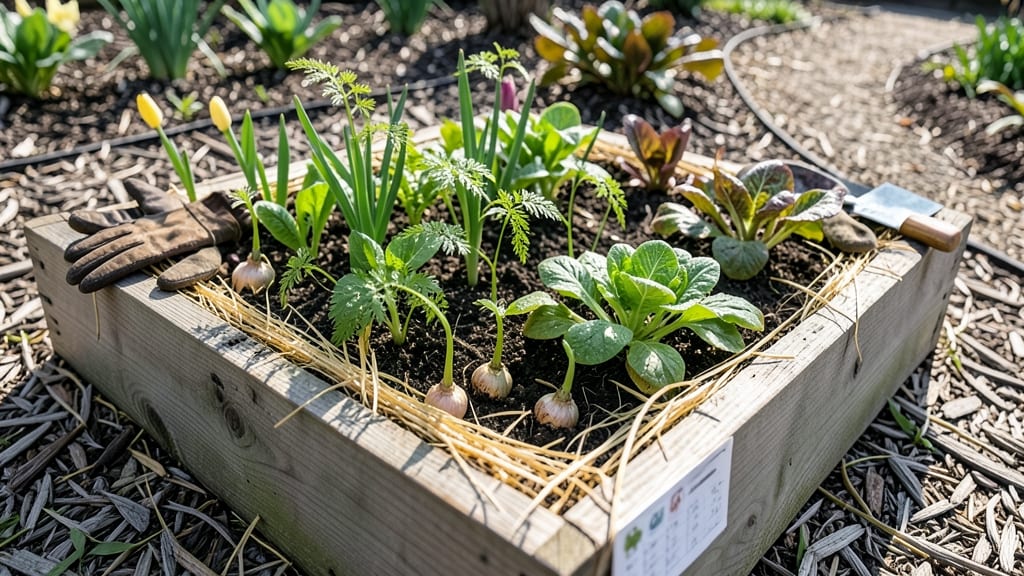
Planting a garden in Washington, DC, starts with timing your seeds and transplants to the last frost date—typically between late March and mid-April—so you don’t lose your hard work to a surprise freeze.
Picture this: You’ve spent weeks nurturing seedlings, only for a late April frost to wipe out your 🌱 General Garden Vegetables overnight. It’s a heartbreaking mistake, but one you can avoid with the right planting schedule for DC’s USDA Zone 7b climate.
Whether you’re growing cool-season crops like spinach or warm-season favorites like tomatoes, the key is knowing when to start indoors, when to transplant, and how to adjust for DC’s microclimates—like the heat islands in urban neighborhoods or the cooler pockets near the Potomac.
Below, I’ll break down the exact frost-free windows for your garden, plus tips to extend your growing season so you can enjoy fresh harvests from spring through fall.
Washington DC frost-free dates by plant type: key timing for success
Washington DC’s last spring frost typically arrives between March 15 and April 15, while the first fall frost usually hits October 15 to November 15.
These dates create a 175-day growing season in USDA Zone 7b, but your exact timing depends on whether you’re planting cool-season crops like spinach or warm-season crops like tomatoes.
Urban gardeners in neighborhoods like Capitol Hill may experience earlier frosts due to heat island effects, while suburban areas like Arlington often enjoy slightly longer seasons.
Cool-season crops thrive in DC’s spring and fall when temperatures stay mild. Spinach, kale, and peas can often be sown as early as mid-March under row covers, while broccoli and lettuce wait until late March to early April for safer germination.
For fall planting, start late August to early September to ensure harvests before frost. Warm-season crops like tomatoes, peppers, and cucumbers need to wait until after the last frost—usually mid-April to early May—when soil temperatures reach at least 50°F.
Microclimates matter in DC. Urban areas like Navy Yard or H Street NE can be 5–10°F warmer than suburban spots, delaying frost. Use these adjustments: Add 2 weeks to frost dates in urban areas and subtract 1 week in cooler suburban zones. For example, if your last frost is April 10 in Arlington, plant warm-season crops 2 weeks later in Capitol Hill.
| Plant Type | Last Frost Planting Window | First Frost Planting Window | Sun Needs | Microclimate Note |
|---|---|---|---|---|
| Cool-Season Crops | Mid-March – Early April | Late August – Early September | Full Sun – Partial Shade | Urban areas: Start 1 week earlier |
| Spinach, Kale, Peas | Mid-March (with row cover) | Late August (for fall harvest) | Partial Shade Tolerant | Suburban: Delay by 1 week |
| Warm-Season Crops | Mid-April – Early May | N/A (Harvest before frost) | Full Sun Required | Urban: Wait 2 weeks longer |
| Tomatoes, Peppers, Cucumbers | After April 15 (soil 50°F+) | N/A | 6+ Hours Sun Daily | Suburban: Plant by April 1 |
| Herbs (Basil, Cilantro) | Late April – Early May | Late August (cilantro only) | Full Sun – Partial Shade | Containers extend urban growing |
For cool-season crops, start seeds indoors 6–8 weeks before the last frost (around January–February) to get a head start. Spinach and peas can handle light frosts, but lettuce and broccoli may bolt if temperatures rise above 75°F.
Use shade cloth in summer to protect them. Warm-season crops like tomatoes and peppers need <
How to adjust planting dates for Washington DC’s microclimates
Washington DC’s urban landscape creates distinct microclimates that can shift your planting windows by 2-4 weeks. Neighborhoods like Capitol Hill with dense buildings trap heat, while Arlington’s higher elevations stay cooler. Understanding these variations lets you plant at the perfect time for your specific location.
Start by identifying your local heat island. Areas near concrete and asphalt, like Navy Yard, can be 5-10°F warmer than tree-lined streets in Cleveland Park. Use this heat advantage to plant warm-season crops like tomatoes 1-2 weeks earlier in these zones.
Wind exposure also matters. Open areas like Rock Creek Park experience stronger winds that dry soil faster, while protected corners in Georgetown retain moisture longer. Adjust watering schedules accordingly—windy spots may need daily watering during summer droughts.
🌱 Key Takeaway: Adjusting Planting Dates by DC Microclimate
🏙️ Urban Heat Islands
Plant warm crops 1-2 weeks early in areas like Navy Yard. Use shade cloth for heat-sensitive plants.
🌬️ Windy Areas
Extend season with windbreaks or row covers. Choose drought-tolerant varieties for exposed spots.
🌳 Shaded Spots
Grow leafy greens and herbs in partial shade. Use reflective mulch to increase light.
🌡️ Elevation Zones
Higher areas (e.g., Clearly Park) get frost 1 week earlier. Plant cool crops 2 weeks later in these zones.
Extend your growing season with seasonal extension tools. Use row covers to push spring planting 2-3 weeks earlier and delay fall harvests until first frost. For cool-season crops like kale, cold frames can add 4-6 weeks of growing time before winter sets in.
Monitor local conditions with NOAA’s DC weather station and Capital Weather Gang forecasts. Their microclimate maps show real-time temperature variations across the city. Adjust your planting schedule weekly based on these updates during spring and fall transitions.
For container gardening on patios or balconies, remember that pots heat up faster than garden beds. Water container plants daily in summer and move them to shadier spots during heatwaves. This simple adjustment can prevent root stress and extend your harvest season by 3-4 weeks.