
Planting
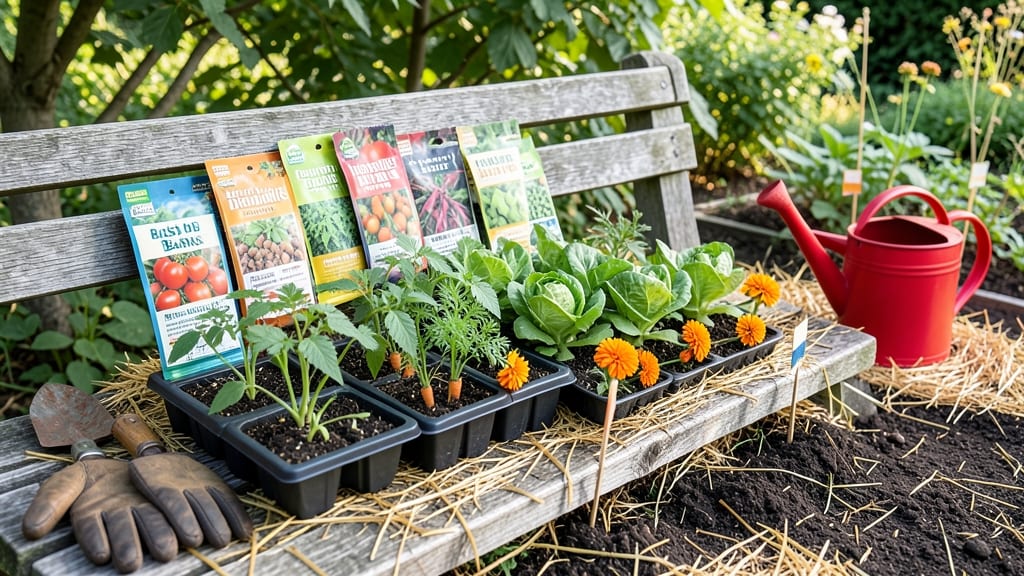
Planting a vegetable garden in Iowa at the right time means the difference between a bumper crop and a sad, frost-nipped disappointment.
Iowa’s unpredictable frost dates can make or break your vegetable garden—planting too early risks frost damage, while waiting too long cuts your harvest window short. Here’s your county-by-county guide to timing planting for maximum yield, backed by USDA data and local gardener insights.
Cool-season crops like lettuce and spinach can handle a light frost, but warm-season favorites like tomatoes and peppers need to wait until after the last frost, which in USDA zones 5a-6b typically lands in mid-April.
That’s why knowing your exact planting window—whether you’re in northern Iowa’s chilly 5a or southern Iowa’s milder 6b—is the key to success.
Below, I’ll break down the best planting times for your 🥬 vegetable garden, including when to start seeds indoors, how to adjust for late frosts, and which crops thrive in Iowa’s short but sweet growing season.
Iowa’s frost-free planting zones by county: exact dates for cool-season vs. warm-season crops
Understanding Iowa’s frost-free planting zones is the key to a thriving vegetable garden. The state spans USDA zones 5a-6b, but frost dates vary dramatically between northern Lyon County (zone 5a) and southern Appanoose County (zone 6b).
These differences mean your tomato seedlings in Muscatine may be ready 2-3 weeks earlier than those in Sioux County. Let’s break down the average last frost dates and planting windows county by county, so you can align your garden with Iowa’s climate quirks.
For cool-season crops like lettuce and spinach, you’ll want to plant as early as mid-March to early April in southern Iowa, but wait until late April to early May in the north.
Meanwhile, warm-season crops such as tomatoes and peppers should only go into the ground after the last frost date, typically mid-May to early June, with northern counties playing catch-up. Below, we’ve distilled the data into actionable planting windows for your county.
If you’re growing cool-season crops like spinach or broccoli, aim to plant them 3-4 weeks before your county’s last frost date. For example, in Davis County, that means sowing seeds by March 20, while in Sioux County, you’d wait until April 20.
These crops thrive in cooler temperatures and can even handle light frosts, so don’t rush the process. Use row covers or cold frames to push your planting window even earlier if needed.
For warm-season crops, wait until the soil temperature consistently stays above 50°F (10°C). This usually aligns with 2-3 weeks after the last frost date.
In Muscatine County, that’s around May 1, but in Clay County, you might not hit that mark until May 15. Tomatoes and peppers are particularly sensitive to cold, so avoid planting them too soon—even if they’re
How to adjust planting times for Iowa’s unpredictable weather: pro tips from local gardeners
Iowa’s weather can shift faster than a cornfield in a windstorm—one day it’s 80°F, the next it’s snowing. That’s why soil temperature matters more than air temperature when deciding when to plant.
A soil thermometer is your best friend here, as roots need warmth to thrive, not just the air above. For example, tomatoes and peppers won’t germinate until soil hits 60°F or warmer, even if the forecast says spring has arrived.
Local gardeners swear by succession planting to stretch harvests. Instead of planting all your lettuce or radishes at once, sow small batches every 2-3 weeks. This ensures a steady supply and reduces waste if a late frost hits.
For instance, I planted bush beans in three rounds—May 1, May 15, and June 1—and still had fresh beans through August, even with a late-May frost.
Don’t ignore row covers—they’re a game-changer for extending seasons. Lightweight fabric can add 4-6°F of warmth, letting you plant cool-season crops like spinach 2-3 weeks earlier in spring or warm-season crops like peppers 2 weeks later in fall.
Just remove covers during the day if temps rise above 75°F to avoid overheating.
- 🌱 Start seeds indoors 6-8 weeks before last frost for tomatoes, peppers, and eggplants—they need time to mature.
- 🌡️ Wait for soil temps of 50°F+ for peas and 60°F+ for corn—air temps lie!
- 🌿 Use cold frames to plant spinach and kale as early as March in southern Iowa.
- ✂️ Direct-sow fast growers like radishes and lettuce 2 weeks before last frost—they tolerate light frosts.
- 🌬️ Monitor wind patterns—southern winds often mean warmer soil, while north winds can delay planting.
For warm-season crops, don’t rush to plant after the last frost. Wait until soil temperatures consistently stay above 60°F for 5-7 days. I’ve seen cucumber seeds rot in cold soil even when air temps were perfect.
A simple trick? Press your hand into the soil—if it feels warm to your wrist, it’s ready for planting.
Northern Iowa gardeners know fall planting is just as critical as spring. Aim to sow cool-season crops like broccoli and carrots by mid-July so they mature before the first frost.
Use black plastic mulch to warm soil faster in spring or straw mulch to insulate in fall. I’ve had kale survive until Christmas with just a thick layer of straw!
Finally, keep a gardening journal to track your local microclimate. Note when frost hits, how long soil stays warm, and which varieties thrive. For example, ‘Early Girl’ tomatoes may ripen faster than ‘Brandywine’ in your backyard, even if they’re the same variety next county over.
Adjust your planting times each year based on your records—because in Iowa, every year is different.