
Planting
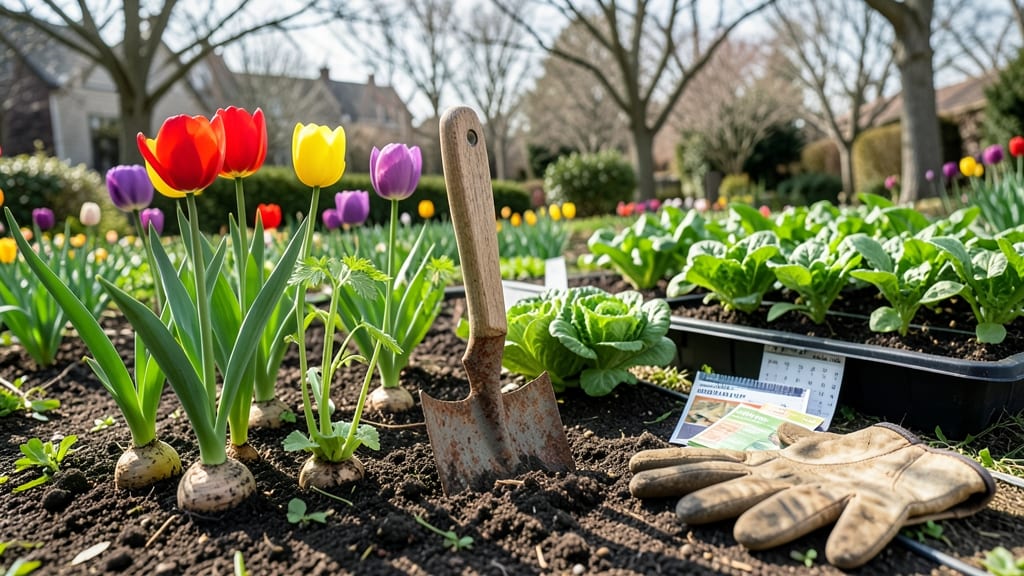
Planting a garden in Iowa at the right time means the difference between a booming harvest and a wasted season—and the clock starts ticking after your last frost, which for most of the state arrives around April 15.
Iowa’s unpredictable spring weather can turn a gardener’s carefully planned planting schedule into a guessing game—but timing your garden right ensures bountiful harvests instead of wilting disappointment.
With USDA Zone 5b’s unique frost patterns, knowing exactly when to plant each crop is the difference between a thriving garden and a failed experiment.
Cool-season crops like spinach and peas can go in the ground as early as mid-March if the soil is workable, while heat-loving tomatoes and peppers need to wait until two weeks after the last frost—usually mid-May—to avoid stunted growth.
Fall planting for hardy greens starts in late July, giving you a second chance at a harvest before winter sets in.
Below, I break down the ideal planting windows for Iowa’s most popular General Garden Plants 🌱, plus pro tips for adjusting to late frosts, soil temperature, and even Iowa’s infamous clay.
You’ll learn how to stretch your growing season, avoid common mistakes, and make the most of every frost-free day.
Iowa’s 2024 planting deadlines by crop type: frost dates and heat tolerance guide
Mastering Iowa’s Zone 5b planting schedule means aligning your garden with the state’s average last frost date of April 15 and first frost of October 15. However, these dates can shift by 2-3 weeks due to Iowa’s infamous unpredictable spring weather.
To succeed, I’ve broken down planting windows by crop type, focusing on cold-hardy greens versus heat-loving tomatoes and peppers.
For cool-season crops like spinach, peas, and lettuce, start seeds 4-6 weeks before your last frost, typically in mid-March under row covers. These plants thrive in 40-60°F soil and can handle light frosts.
Meanwhile, warm-season crops like tomatoes, peppers, and basil need soil temperatures above 60°F—wait until May 1 or after to plant them outdoors.
Here’s my go-to planting timeline for Iowa’s most popular garden crops, organized by frost tolerance and heat needs:
| Crop Type | Ideal Planting Window | Soil Temp Requirement | Frost Tolerance | Key Notes |
|---|---|---|---|---|
| Cold-Hardy Vegetables | Mid-March to April 15 | 40-60°F | High (survives light frost) | Spinach, peas, kale, lettuce |
| Warm-Season Vegetables | May 1 to June 1 | 60-70°F | Low (killed by frost) | Tomatoes, peppers, cucumbers |
| Herbs | April 15 to May 15 | 50-60°F | Moderate (basil sensitive) | Parsley, cilantro, basil |
| Flowers | April 1 to June 1 | 50-70°F | Varies (marigolds hardy) | Marigolds, zinnias, pansies |
| Fall Crops | July 15 to August 15 | 50-60°F | High (kale, radishes) | Broccoli, carrots, radishes |
One of my biggest mistakes as a new gardener was planting tomatoes too early in April, only to watch them wilt from late frosts. Now, I use soil thermometers to confirm temperatures before planting heat-lovers.
For cold-hardy crops, I’ve found that starting seeds indoors in late February gives them a head start, but I always harden them off before transplanting after April 15.
Iowa’s clay-heavy soil also affects planting times—amending beds with compost in early spring improves drainage and warms up faster. For succession planting, I sow lettuce and radishes every 2 weeks from April through July to ensure a continuous harvest.
This method works especially well for fast-growing crops that bolt in summer heat.
Don’t overlook fall planting, either! Many gardeners forget that cool-season crops planted in July can mature before the first frost. I’ve had great success with
How to adjust planting times for Iowa’s unpredictable weather: 5 pro tips
Iowa’s unpredictable frost dates and sudden heatwaves can derail even the most meticulous planting plans. Last year, my tomato seedlings wilted overnight after a late-May frost—a harsh reminder that rigid schedules won’t work here.
The key is flexibility, using local climate data and smart adjustments to protect your garden investments.
Iowa State University’s frost prediction models are your best friend. They track historical frost dates (typically April 15 for last frost and October 15 for first frost) but also account for year-to-year variability.
Bookmark their agronomy updates and set calendar reminders for weekly weather shifts—they’re often more accurate than generic zone guides.
- 1. Extend spring with row covers (lightweight fabric) to protect cool-season crops like lettuce and peas until soil warms to 50°F.
- 2. Monitor microclimates: South-facing beds warm 2-3°F faster than north-facing spots—plant heat-lovers (peppers, basil) there first.
- 3. Use cold frames for early starts: Place them over hardy greens in March to harvest 4-6 weeks earlier.
- 4. Delay warm-season plants until soil hits 60°F (test with a soil thermometer), even if neighbors rush in mid-April.
- 5. Succession plant every 2 weeks for continuous harvests: Sow radishes in May, then spinach in July for fall.
Don’t let early heatwaves fool you into planting warm-season crops too soon. My cucumber vines collapsed last summer when planted in late May—the 90°F+ days shocked their delicate roots. Wait until after Memorial Day (or when night temps stay above 55°F) for tomatoes, peppers, and squash.
For fall planting, aim to sow cool-season crops like kale and carrots by August 1. These hardy varieties tolerate light frosts and even thrive when temperatures dip to 25°F. Use black plastic mulch to warm soil for late-season tomatoes—I’ve harvested green tomatoes into October this way!
Pro tip: Keep a gardening journal to track your local frost dates. Note when soil thaws, when first blooms appear on apple trees, and when neighborhood gardens start planting. Over 3 years, these observations become more reliable than generic zone data.
When in doubt, start small. Test a few cold-hardy crops like radishes or peas 2 weeks before your expected last frost date. If they survive, you’ve gained critical growing time without risking your entire garden. Patience pays off in Iowa—bountiful harvests wait for those who adapt. 🌱