
Planting
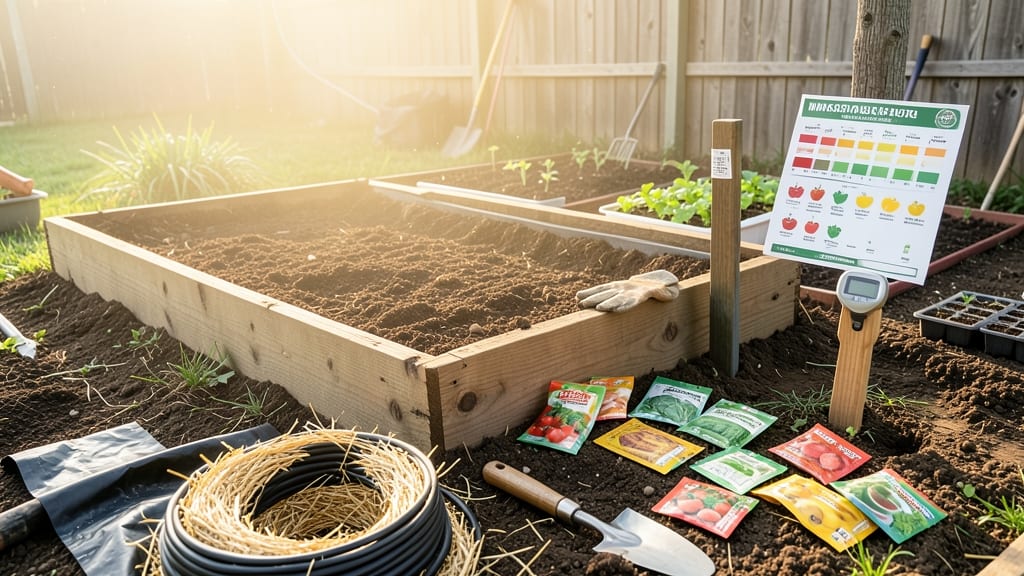
Planting a vegetable garden in Mississippi at the right time means the difference between a bountiful harvest and a lost season—because those late spring frosts can still sneak in even in Zone 8a.
Mississippi’s long, hot summers and unpredictable frost dates make timing your vegetable garden critical—plant too early, and a late freeze wipes out your crops; too late, and you miss peak harvests. Mastering the state’s frost zones and crop-specific schedules ensures a bountiful garden year-round.
Cool-season crops like lettuce and broccoli need to hit the soil 4-6 weeks before your last frost (around mid-February for most of the state), while warm-season favorites like tomatoes and peppers wait until 2-3 weeks after that risk has passed—usually late March to early April.
Below, I break down the best planting windows by crop, frost-proofing tips for Mississippi’s microclimates, and how to stretch your growing season from spring to fall—so you can enjoy fresh 🥬 all year.
Mississippi frost dates & planting zones: critical timing for your garden
Mississippi’s frost dates vary dramatically from the northern to southern regions, creating distinct planting windows for your vegetable garden. The average last frost in North Mississippi (zones 7A-7B) typically occurs around March 15, while South Mississippi (zones 8A-8B) sees its last frost closer to March 1.
These differences mean your cool-season crops like lettuce and broccoli can start 4-6 weeks earlier in the south compared to the north.
Understanding these USDA planting zones is key because they dictate which heat-tolerant crops (like tomatoes and peppers) can thrive in your area. For example, southern Mississippi’s longer frost-free season allows for two full growing seasons—spring and fall—while northern regions may only reliably grow one.
The 10-day rule is my go-to method: Wait 10 days after the average last frost date before planting warm-season crops to avoid surprise freezes.
Here’s how I break it down: North Mississippi gardeners should plan for a shorter growing window (around 200 frost-free days), while South Mississippi enjoys 220+ days. This means southern gardeners can start warm-season crops like okra and sweet potatoes 2-3 weeks earlier than their northern counterparts.
Always check local frost records—your microclimate might differ from the average!
| Region | USDA Zone | Avg. Last Frost | Frost-Free Days | Cool-Season Planting Window | Warm-Season Planting Window |
|---|---|---|---|---|---|
| North Mississippi | 7A-7B | March 15 | 200 days | Feb 15 - Mar 15 | Apr 15 - May 1 |
| Central Mississippi | 8A | March 1 | 215 days | Feb 1 - Mar 10 | Mar 25 - Apr 10 |
| South Mississippi | 8A-8B | Feb 28 | 220+ days | Jan 20 - Feb 20 | Mar 10 - Mar 25 |
Mississippi’s frost-sensitive crops (like tomatoes and peppers) need consistent warmth to thrive, so I always wait until after the 10-day rule before planting.
For example, in North Mississippi, I don’t plant tomato seedlings until April 15, while in South Mississippi, I start them by March 25. Heat-tolerant crops like sweet potatoes and okra, however, can handle earlier planting—even before the last frost—because they grow quickly and tolerate warmer soil temperatures.
One of my biggest mistakes early on was planting cold-hardy greens like spinach too late in the season. I learned that fall planting for cool-season crops should start 8-10 weeks before the first frost (around September 15 in North Mississippi and October 1 in the south).
This gives them time to mature before winter temperatures arrive. Use this 10-week rule as a guideline: Count backward from your average first frost date to determine your last planting window.
For urban gardeners in Mississippi, microclimates play a huge role. Areas near water bodies or concrete surfaces may experience earlier last frosts or later first frosts than rural areas. I recommend checking local weather stations or using frost prediction tools from the Mississippi State University Extension.
Their frost alerts can save your garden from unexpected late-season freezes, especially in April or October.
If you’re new to Mississippi gardening, start with frost-tolerant crops like kale, collards, and peas in early spring. These cool-season vegetables can handle light frosts and even improve in flavor after a light freeze.
Then, transition to warm-season crops like okra, peppers, and tomatoes once the soil temperature reaches 60°F or higher. Use a soil thermometer to monitor—this is one of my must-have tools for accurate
Best months to plant vegetables in Mississippi by crop type (cool vs. warm seasons)
Timing your vegetable garden in Mississippi hinges on understanding the state’s cool-season and warm-season crops. The average last frost date in most areas is around March 15, while the first frost typically arrives by November 15.
This narrow window demands precision—plant too early, and a late freeze can devastate tender seedlings, while planting too late risks missing peak harvests.
Mississippi’s USDA zones 7A-8B mean you can grow a year-round garden with the right crop selection. Cool-season crops like lettuce and broccoli thrive in spring and fall, while warm-season crops such as tomatoes and peppers demand the heat of summer.
Below, I’ve broken down the best planting months for Mississippi’s top vegetables, including frost sensitivity ratings to help you plan strategically.
For cool-season vegetables, prioritize March–April and August–September plantings. Crops like broccoli, cabbage, and kale tolerate light frosts, making them ideal for early spring. Use row covers if frost threatens—these can protect seedlings down to 20°F.
In fall, plant spinach and radishes in August for harvests before the first frost in November.
Warm-season crops like tomatoes, peppers, and squash demand warm soil (at least 60°F) to germinate. In Mississippi, this means waiting until mid-April for spring plantings and July for fall crops. Succession planting every 2–3 weeks ensures a continuous harvest.
For example, sow okra in May and again in July to extend your harvest through October.
Mississippi’s humid summers can stress plants, so focus on shade cloth for delicate crops like cucumbers and eggplants. Mulch heavily to retain moisture and prevent soil-borne diseases. Drip irrigation is a game-changer here—it delivers water directly to roots while avoiding fungal issues common with overhead watering.
Pro tip: Use Mississippi State University Extension’s frost date maps for your specific county, as microclimates can shift frost dates by 1–2 weeks. For instance, North Mississippi (zone 7A) may see frost a week earlier than South Mississippi (zone 8B).
Adjust your planting schedule accordingly to maximize yields.