
Planting
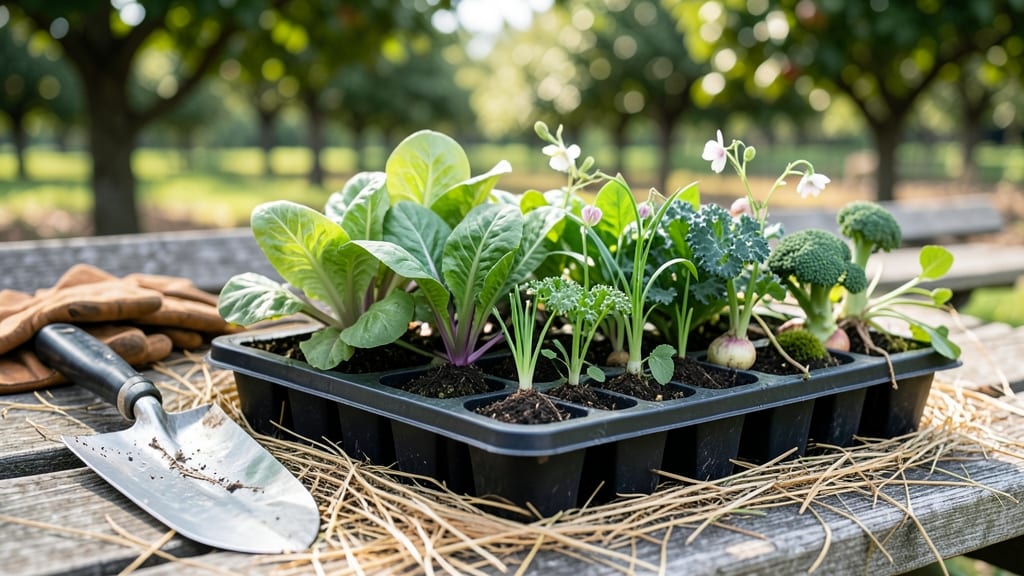
To plant a vegetable garden in Missouri, aim for mid-April to early June for most crops—timing that avoids late frosts while giving plants enough warmth to thrive.
Missouri’s unpredictable climate can make timing your vegetable garden tricky—but planting at the wrong time means wasted seeds and stunted harvests. Whether you’re in St. Louis, Kansas City, or Springfield, knowing your last frost date is the key to success.
Cool-season vegetables like lettuce and peas can go in as early as March, while tomatoes and peppers need to wait until the soil is warm—usually after Memorial Day. The right schedule ensures your garden grows strong and bountiful.
In this guide, I’ll break down the best planting windows for Missouri’s most popular crops, plus tips for soil prep and avoiding common mistakes that ruin harvests.
Missouri frost dates and planting zones: how to find your exact window
Missouri’s USDA Plant Hardiness Zones range from 5b in the northern regions to 7a in the southern parts, creating a diverse gardening climate. Understanding your last frost date is critical—planting too early risks frost damage, while waiting too long can shorten your growing season.
For most of Missouri, the average last frost date falls between mid-April and early May, but this varies by region.
To plan effectively, I recommend checking the Missouri Botanical Garden’s frost calendar or using the National Weather Service’s historical data. These tools provide localized frost dates for cities like St. Louis, Kansas City, and Springfield, where microclimates can shift planting windows by 1-2 weeks.
For example, St. Louis (Zone 6a) typically sees its last frost around April 15, while Springfield (Zone 6b) averages May 1.
The 100-day rule is my secret weapon for timing crops. For warm-season vegetables like tomatoes and peppers, count backward from your first expected frost date (usually October 15-November 1) to determine when to plant.
For cool-season crops like lettuce and spinach, plant 4-6 weeks before the last frost for a spring harvest or 60 days before the first frost for fall.
Here’s a quick reference for Missouri’s three key regions:
| Region | USDA Zone | Avg. Last Frost | Avg. First Frost | Planting Window | Key Crops |
|---|---|---|---|---|---|
| Northern MO (e.g., Columbia) | Zone 5b-6a | April 20-May 1 | October 15-November 1 | Mid-April to May 15 | Tomatoes, Peppers, Beans |
| Central MO (e.g., St. Louis) | Zone 6a-6b | April 15-May 1 | October 10-November 1 | Late April to May 10 | Cucumbers, Squash, Corn |
| Southern MO (e.g., Springfield) | Zone 6b-7a | April 1-May 1 | October 5-November 1 | Early April to May 1 | Melons, Okra, Peppers |
For cool-season crops, I plant hardy greens like kale and spinach as early as March using row covers to protect against late frosts. These crops tolerate light frosts and can even taste sweeter after a cold snap.
Meanwhile, warm-season crops like tomatoes and peppers need soil temperatures above 60°F, so I wait until mid-May in colder zones or early April in southern Missouri.
Missouri’s variable weather patterns mean you should always have a back-up plan. I keep row covers, cold frames, or a small greenhouse on hand to extend the season. For example, if a late frost hits in May, these tools can protect young seedlings until the threat passes.
Additionally, succession planting every 2-3 weeks ensures a continuous harvest, even if the first planting fails.
Don’t forget to test your soil temperature before planting warm-season crops. A simple soil thermometer ($10 at garden centers) tells you exactly when the ground is ready. For instance, tomatoes and peppers thrive when soil stays above 65°F for at least a week.
In Missouri, this usually aligns with late April to early May, but it can shift 10-14 days earlier in southern zones.
If you’re unsure about your exact frost dates, I recommend using the Missouri Climate Center’s interactive map or the Old Farmer’s Almanac. These resources provide historical frost data and can help you adjust your planting schedule based on 30-year averages.
For example, if your area has a history of late frosts in May, I’d recommend waiting until May 15 to plant heat-loving crops like okra or sweet potatoes.
Finally, container gardening offers flexibility for urban gardeners or those with short seasons. Containers warm up faster in spring, allowing you to plant 2-3 weeks earlier than in-ground gardens. Just ensure your containers have drainage holes and use lightweight potting mix to prevent overheating.
This method is perfect for herbs like basil and cilantro, which can be planted as soon as the soil is workable—often by mid-March in southern Missouri.
By mastering your local frost dates and USDA zone, you’ll transform your Missouri garden from a gamble into a predictable, bountiful harvest. Start with these guidelines, then fine-tune based on your specific microclimate—your future self (and your dinner table) will thank you! 🌱
Best planting schedule for Missouri vegetables: month-by-month guide
Missouri gardeners know timing is everything—especially with unpredictable spring frosts and sweltering summer heat. The key to a bountiful harvest lies in matching each crop to its ideal planting window, whether you're in St. Louis (Zone 6a) or Springfield (Zone 7a).
Warm-season crops like tomatoes and peppers need soil temps above 60°F, while cool-season lettuce thrives when nights stay below 80°F.
Here’s my month-by-month breakdown for Missouri’s most popular vegetables, including succession planting tips to keep your kitchen stocked all season. I’ll also flag regional exceptions—like why Kansas City’s urban heat island lets you plant tomatoes a week earlier than rural areas.
- 🌱 March-April (Cool-Season Crops): Start lettuce, spinach, and peas indoors or under row covers. Harden off seedlings by mid-April for outdoor planting after last frost (avg. April 15).
- 🌿 May (Warm-Season Prep): Plant radishes and green onions directly in soil. Wait until soil reaches 60°F (use a soil thermometer!) to sow beans and squash seeds.
- ☀️ Late May-June (Tomatoes & Peppers): Transplant tomato and pepper seedlings after last frost. In southern MO (Zones 7a-8a), start 1 week earlier—urban heat islands like St. Louis can push this to mid-May.
- 🌻 June-July (Succession Planting): Sow bush beans every 2 weeks for continuous harvests. Direct-seed cucumbers and zucchini when soil is 70°F+. Add basil and cilantro to containers for fresh herbs.
- 🌿 July-August (Fall Prep): Start broccoli and kale seedlings indoors for September transplanting. In northern MO (Zone 5b), wait until late July to avoid heat stress.
- 🍂 September-October (Cool-Season Revival): Plant spinach, carrots, and garlic for fall/winter harvests. Use black plastic mulch to extend season in southern MO until November.
- ❄️ November (Hardening Off): Protect tender perennials like rosemary with straw mulch. In Zone 6a, cover overwintering onions with row fabric by October 31.
Pro tip: Use succession planting for leafy greens and bush beans—sow new seeds every 2-3 weeks to avoid gluts. For example, plant lettuce in March, May, and September to enjoy fresh leaves year-round. In containers, herbs like basil and parsley can be rotated to maximize space.
Missouri’s microclimates matter! If you’re in a river valley (like near the Missouri River), expect 2-3°F warmer soil temps than inland areas. Test your soil with a thermometer—warm-season crops like peppers won’t germinate below 70°F, even if the calendar says "spring."
For container gardeners, prioritize compact varieties of tomatoes (like ‘Tiny Tim’) and peppers (like ‘Jalapeño M’). These thrive in 5-gallon pots and can be moved to sunny balconies or patios once soil warms. Just remember: containers dry out faster, so water daily in summer.
Finally, mark your calendar for Missouri’s average first frost dates: October 15 in northern MO and November 1 in southern MO. Use this as your cutoff for warm-season crops—any seedlings planted after this won’t mature before winter.
For cool-season crops, aim to harvest before hard frosts (temps below 28°F) or protect with row covers.