Planting
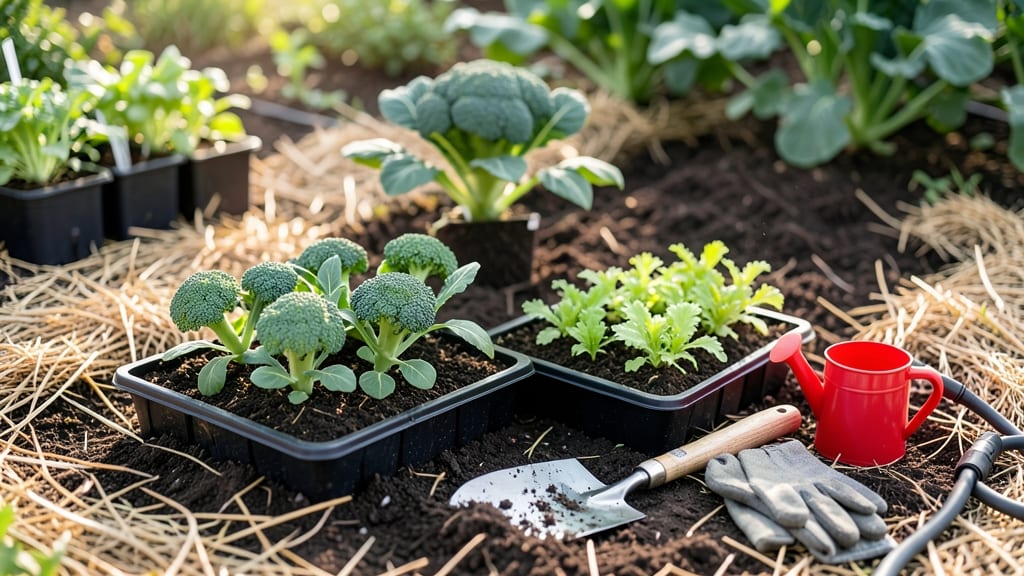
To plant a vegetable garden in Northern California at the right time means timing it with your microclimate—not just the calendar 🌱.
Northern California’s diverse microclimates—from coastal fog to inland heat—can turn gardening success into a guessing game if you plant at the wrong time. But with precise timing, you can enjoy a bountiful harvest year-round, even in frost-prone zones like the Bay Area or Sacramento Valley.
Cool-season crops like lettuce and peas thrive in the mild winters of USDA Zones 8a-10a, while warm-season tomatoes and peppers demand the soil warmth of late spring.
The key? Planting 4-6 weeks before your last frost (which can vary wildly from January in Sacramento to December on the coast).
Below, I break down the exact planting windows for your region, how to prep soil for California’s Mediterranean climate, and succession-planting tricks to keep your garden productive from spring to fall.
Northern California planting zones: microclimate-specific dates for zero-frost risk
Northern California’s microclimates create a gardening puzzle—where coastal fog delays spring planting in San Francisco while Sacramento’s Central Valley bakes by June. Understanding your USDA Zone (8a–10a) and last-frost dates is critical to avoiding frost damage and maximizing harvests.
Let’s break down the frost-free windows by region so you can plant with confidence.
Your planting zone isn’t just a number—it’s a roadmap. For example, Zone 9b coastal areas (like Santa Cruz) have 365 frost-free days, while Zone 8a inland valleys (like Sacramento) average just 200 days.
Elevation adds another layer: Sierra foothills can experience frost weeks after lowland areas. Use these microclimate adjustments to time your plantings perfectly.
Key rule: Plant cool-season crops (like lettuce or peas) 4–6 weeks before your average last frost. For warm-season crops (tomatoes, peppers), wait until soil hits 60°F—usually 2–4 weeks after your last frost date. Miss the window? No problem—we’ll show you how to extend your season with row covers and cold frames.
Let’s zoom in on coastal areas, where marine layer fog can delay spring planting by 2–4 weeks. In San Francisco or Santa Cruz, your last frost might not arrive until January 15, giving you a head start on early spring crops like broccoli or cabbage.
But don’t rush—soil temperatures lag behind air temps in foggy zones. Use a soil thermometer to confirm it’s 50°F+ before planting cool-season crops.
Inland Central Valley gardens face the opposite challenge: hot, dry summers and earlier frosts. Sacramento’s Zone 8a has an average last frost of March 1, but first frost can hit as early as November 1.
This short window demands succession planting—sow fast-maturing crops like radishes or lettuce every 2 weeks to stretch your harvest. For warm-season crops, wait until May 1 to plant tomatoes or peppers, when soil temps consistently stay above 60°F.
Elevation throws another wrench into the mix. Sierra foothills (like Chico or Redding) can experience frost 3–4 weeks later than valley floors due to higher altitudes. If you’re gardening above 1,000 feet, add 1–2 weeks to your last-frost date estimates.
For example, a Zone 8a foothill garden might not see its last frost until April 1 instead of March 1. Adjust your planting schedule accordingly—delay warm-season crops until late April or early May.
Pro tip: Check the UC Master Gardener Program’s local frost maps for real-time updates. Their data accounts for year-to-year variability, which can shift frost dates
Best crops to plant by season in Northern California’s unique climate
Northern California’s Mediterranean climate offers year-round growing potential, but timing is everything. Coastal areas like San Francisco stay mild year-round, while inland zones like Sacramento experience hot summers and cold winters. Your microclimate determines which crops thrive—and when to plant them.
Cool-season crops like lettuce and peas love the mild winters of coastal zones, while tomatoes and peppers need the long, hot summers of inland valleys. Even strawberries can grow year-round in Zone 10a coastal areas, but need winter protection in Zone 8a inland regions.
- 🌿 Winter (Dec–Feb): Plant cool-season crops like kale, spinach, and broccoli. Coastal areas can grow strawberries and carrots year-round.
- 🌞 Spring (Mar–May): Start warm-season crops like tomatoes and peppers after last frost. Inland areas can plant beans and squash in April.
- ☀️ Summer (Jun–Aug): Focus on heat-tolerant crops like okra, sweet potatoes, and eggplant. Coastal fog may delay planting—opt for fast-maturing varieties.
- 🍂 Fall (Sep–Nov): Replant cool-season crops like lettuce and peas. Inland areas can extend harvests with row covers.
For coastal gardens, prioritize fog-tolerant crops like artichokes and brussels sprouts, which thrive in cool, moist conditions. Inland gardens should focus on drought-resistant varieties like zucchini and black-eyed peas, which handle hot, dry summers.
Succession planting is key—sow lettuce every 2–3 weeks in spring and fall to avoid bolting. In Zone 10a coastal areas, you can even grow winter greens like arugula year-round. Just watch for pests like aphids in mild winters.
Use mulch to regulate soil temperature—critical for heat-sensitive crops like cucumbers in inland areas. In coastal zones, drip irrigation prevents fungal diseases from foggy mornings. Adjust planting dates based on your local frost dates—check UC Master Gardener resources for precise guidance.
With these seasonal strategies, you’ll enjoy continuous harvests from January strawberries to October pumpkins, no matter where you garden in Northern California. Start small, experiment with varieties, and let your microclimate guide your planting calendar. 🌱