
Planting
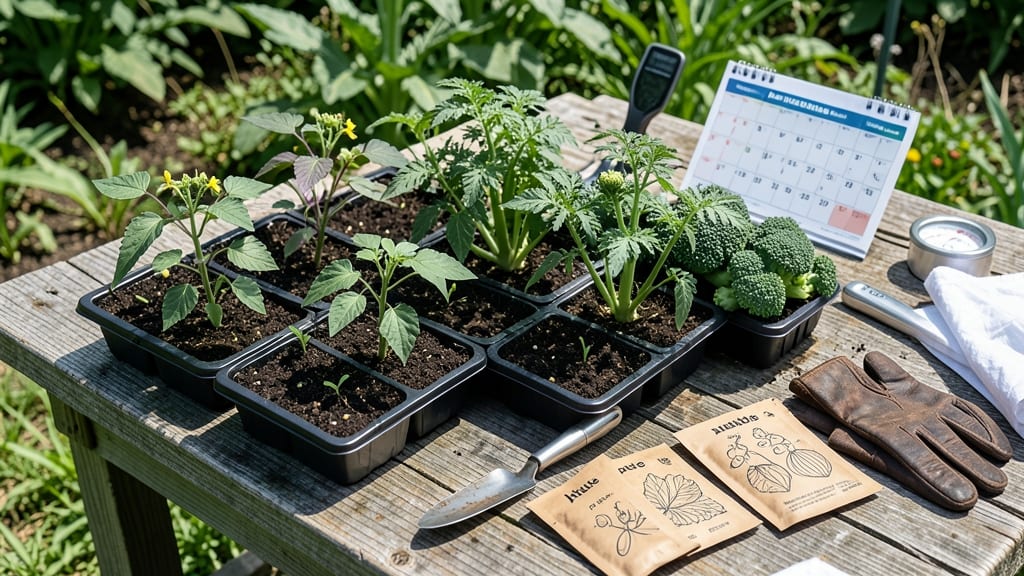
To plant a vegetable garden in Pennsylvania, time your first seeds after the last frost date—typically between April 15 and May 15, depending on your hardiness zone.
Pennsylvania’s diverse climate—from the cool mountains to the humid valleys—means planting your vegetable garden at the wrong time can spell disaster for your harvest. Get the timing right, and you’ll enjoy fresh tomatoes, crisp lettuce, and homegrown potatoes all season long.
Cool-season crops like spinach and peas thrive when soil temperatures hit 40°F, while warm-season favorites such as tomatoes and peppers need to wait until the ground is at least 60°F. Missing these windows can leave you with stunted plants or no harvest at all.
In this guide, I’ll break down the exact planting schedule by USDA Zones 6a-7b, share soil prep tips for Pennsylvania’s varied regions, and show you how to extend your growing season for year-round harvests.
Pennsylvania’s frost-free planting timeline by hardiness zones 6a-7b
Pennsylvania’s USDA Zones 6a-7b offer gardeners a 180-220 day growing season, but timing is everything. The average last frost date ranges from April 15 in zone 7b to May 1 in zone 6a, while the first frost typically arrives between October 15-31.
Missing these windows can mean lost crops or stunted growth.
Cool-season crops like spinach and peas thrive when planted 4-6 weeks before last frost, while tomatoes and peppers need soil temperatures above 60°F—usually after May 15. Understanding these zone-specific adjustments ensures your garden flourishes from spring to fall.
Below is your PA planting timeline, broken down by month and crop type, with zone 6a (cooler) and zone 7b (warmer) adjustments. Use this as your garden’s roadmap to avoid common mistakes like planting tomatoes too early or lettuce bolting in heat.
| Month | Zone 6a (Cooler) | Zone 7b (Warmer) | Crops to Plant | Notes | |||||||||||||||||||||||
|---|---|---|---|---|---|---|---|---|---|---|---|---|---|---|---|---|---|---|---|---|---|---|---|---|---|---|---|
| March | Start seeds indoors | Start seeds indoors | Peas, spinach, lettuce | Use row covers for early planting | |||||||||||||||||||||||
| April | Direct sow peas, spinach | Direct sow peas, spinach, radishes | Cool-season greens, onions | Wait for soil to warm to 40°F | |||||||||||||||||||||||
| May | Transplant tomatoes, peppers (after May 15) | Plant tomatoes, peppers (after May 1) | Warm-season crops: beans, cucumbers | Soil must be 60°F+ for warm crops | |||||||||||||||||||||||
| June | Sow beans, squash, corn | Sow beans, corn, melons | Succession plant lettuce, carrots | Mulch to retain moisture | |||||||||||||||||||||||
| July | Plant fall broccoli, cabbage | Plant fall greens, beets | Late tomatoes, peppers | Watch for late blight in tomatoes | |||||||||||||||||||||||
| August | Direct sow radishes, lettuce | Direct sow radishes, spinach | Cool-season crops for fall | Use shade cloth for heat-sensitive crops | |||||||||||||||||||||||
| September | Transplant fall broccoli | Transplant fall cabbage, kale | Garlic, onions for next year | <
| Vegetable | Pros | Cons |
| Spinach | Fast-growing, cold-tolerant | Bolt-resistant varieties needed |
| Peas | Early harvest, nitrogen-fixing | Requires trellis support |
| Broccoli | Nutrient-dense, long harvest window | Needs consistent moisture |
Late Summer Planting (June-July)
| Vegetable | Pros | Cons |
| Beans | Quick harvest, drought-tolerant | Susceptible to pests |
| Cucumbers | High yield, versatile | Needs space and trellis |
| Peppers | Sweet flavor, long harvest | Slow to mature |
For early spring, I recommend planting spinach and peas as soon as soil is workable (around March 15 in most of PA).
These cool-season crops thrive in 50-60°F temperatures and can handle light frosts. Broccoli and kale also do well when started indoors in February and transplanted after last frost.
In late summer, wait until after May 15 to plant tomatoes, peppers, and cucumbers. These warm-season vegetables need soil temperatures above 60°F to germinate. Beans and squash are also great choices for late summer, as they mature quickly before first frost in October.
Avoid planting tomatoes before May 1 in PA, as late frosts can kill young plants. Instead, start seeds indoors in March and transplant after the last frost date. For late summer, focus on fast-maturing varieties to ensure a harvest before fall frosts arrive.
My top tip for PA gardeners: Use row covers for early spring crops to protect against late frosts and extend the growing season. For late summer, prioritize heat-tolerant varieties and water deeply to prevent bolting in warm weather.