
Planting
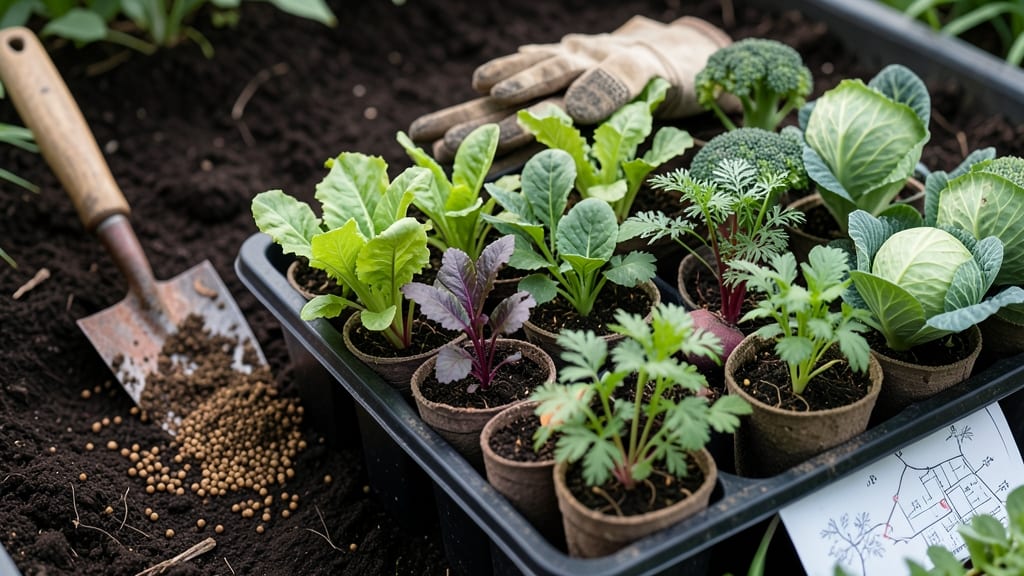
Planting a vegetable garden in Seattle means timing your crops to beat the unpredictable rain and frost—cool-season greens in early spring, warm-season tomatoes by late May, and fall harvests before the first freeze in October.
Seattle’s maritime climate throws a wrench into traditional planting schedules. One year, your peas might thrive in March; the next, a late frost could turn them to mush.
The key? Knowing your last frost date (usually around April 15) and adjusting for microclimates—like warmer inland areas versus cooler coastal zones.
This guide breaks down the perfect planting windows for everything from cold-hardy kale to heat-loving peppers, plus how to use row covers and succession planting to stretch your season. No more guessing—just a garden that delivers fresh produce from spring to fall.
You’ll learn when to start seeds indoors, which crops handle Seattle’s cool summers, and how to protect tender plants from sudden chills. Ready to grow like a local? Let’s dive into the schedule that works for Zone 8a.
Seattle’s best planting calendar: cold-hardy vegetables by month
Seattle’s cool, maritime climate (USDA Zone 8a/8b) lets you grow cold-hardy vegetables almost year-round. Unlike warmer regions, frost dates here are unpredictable, but average last frost falls around April 15.
The key? Planting frost-tolerant crops early for spring harvests and late for fall storage. These hardy vegetables thrive in Seattle’s 50-60°F soil temperatures, making them perfect for early starts.
My top cold-hardy picks—kale, peas, spinach, and broccoli—can handle light frosts and even snow cover in mild winters. The trick is timing soil prep right: amend beds in fall with compost, then plant as soon as soil is workable (around 35°F).
Below, I’ll break down month-by-month planting to maximize your harvest with minimal risk.
Pro Tip: Use a soil thermometer to check temperatures—40°F+ is ideal for cool-season crops. If your soil is too cold, wait 1-2 weeks or use row covers for extra warmth.
| Month | Vegetable | Planting Method | Soil Temp (°F) | Notes |
|---|---|---|---|---|
| February | Peas, Spinach, Kale | Direct Sow | 35-45°F | Start under row covers if frost threatens. |
| March | Broccoli, Lettuce, Radishes | Direct Sow or Transplant | 40-50°F | Ideal for spring harvests before heat. |
| April | Peas, Spinach, Kale | Direct Sow or Succession Plant | 45-55°F | Plant every 2 weeks for continuous harvest. |
| May | Broccoli, Cabbage, Swiss Chard | Transplant | 50-60°F | Avoid bolting with shade cloth. |
| September | Kale, Spinach, Peas | Direct Sow | 45-55°F | Extend season with row covers. |
| October | Broccoli, Cabbage, Lettuce | Transplant | 40-50°F | Hardy crops for winter storage. |
| Vegetable | Start Indoors | Direct-Sow After | Transplant Outdoors | Extend Season With |
| Tomatoes | March 1-15 | May 15 | May 20-June 1 | Row covers, cold frames |
| Peppers (Bell, Jalapeño) | February 15-March 1 | May 1 | May 10-20 | Black plastic mulch |
| Cucumbers | March 15-April 1 | May 1 | May 15-25 | Trellis + row cover |
| Eggplant | March 1 | May 10 | May 25-June 1 | Cold frame |
| Basil | March 15-April 1 | May 1 | May 10-20 | None (tender) |