
Planting
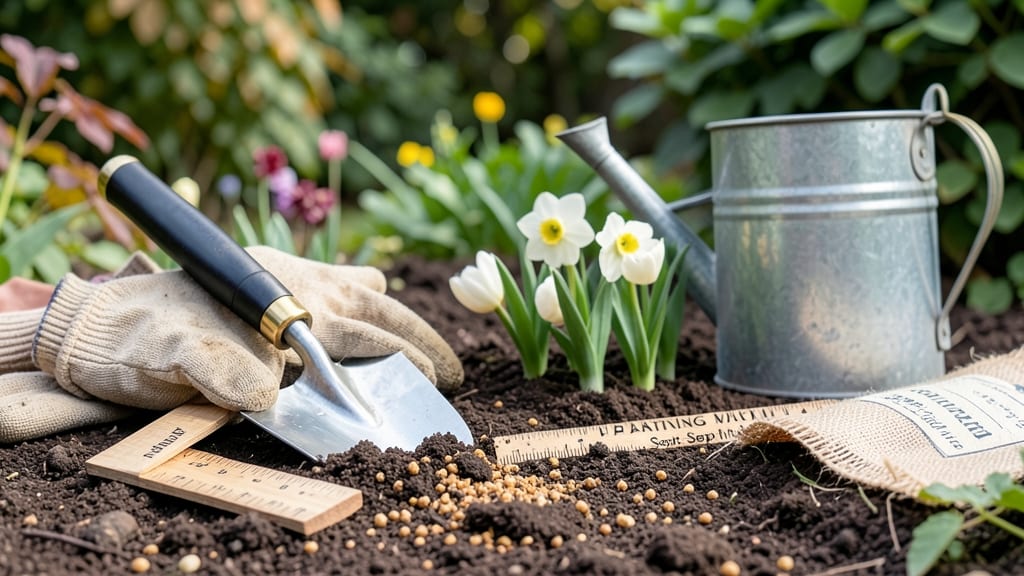
To plant bulbs in your garden for vibrant spring blooms, aim for 6-8 weeks before the first frost—typically September to November in most regions.
Did you know planting bulbs during the right moon phase can boost root strength by up to 30%? Timing isn’t just about seasons—it’s a hidden gardening superpower that transforms weak blooms into showstoppers.
In Zone 6a, where frost hits around mid-November, late September is prime time for spring flowering bulbs like 🌷 tulips and daffodils.
But here’s the catch: planting too early or late throws off the delicate balance bulbs need to establish roots before winter. Rush it, and they’ll rot; wait too long, and they won’t bloom.
The key is matching your region’s frost date with the moon’s rooting phase—a trick that’s been working for gardeners for centuries.
In this guide, I’ll walk you through the best planting windows by zone, moon phase secrets for stronger roots, and how to adjust for microclimates. No more guesswork—just blooms that pop next spring.
Best moon phases for planting bulbs (science-backed timing guide)
Planting bulbs under the right moon phase isn't just old wives' tales—it's rooted in gravity science. The moon's pull affects water movement in soil, influencing how bulbs establish roots and grow. For spring-flowering bulbs like tulips and daffodils, timing matters most during their rooting phase before dormancy begins.
Meanwhile, summer/fall bloomers need different lunar conditions to thrive. Let's break down the science and how to apply it to your garden.
The moon's phases create two critical windows for bulb planting: the rooting phase (waxing moon) and the flowering phase (waning moon). During the waxing moon, when the moon grows brighter, bulbs planted will focus energy on root development.
This is ideal for fall-planted bulbs that need strong roots before winter. Conversely, the waning moon (darkening phase) pushes energy upward, perfect for spring-planted bulbs or those needing faster foliage growth.
Here’s the science-backed breakdown of when to plant different bulb types based on lunar phases:
| Bulb Type | Best Moon Phase | Planting Window | Why It Works |
|---|---|---|---|
| Tulips, Daffodils, Hyacinths | Waxing Moon (Rooting Phase) | 6-8 weeks before first frost (Fall) | Maximizes root growth before dormancy |
| Crocuses, Snowdrops, Alliums | Waning Moon (Flowering Phase) | Early Spring (March-April) | Encourages faster shoot emergence |
| Summer Bloomers (Dahlias, Cannas) | Full Moon (Neutral Phase) | Late Spring (After last frost) | Balances root and top growth |
| Fall-Planted (Squill, Muscari) | Waxing Gibbous (3 days before full) | September-October | Optimal moisture absorption |
For spring-flowering bulbs, the waxing moon (from new moon to full moon) is your golden window. This phase aligns with the bulbs' natural need to establish roots before winter. For example, plant tulip bulbs during the waxing gibbous phase (3-7 days before full moon) in September or October.
The moon's gravitational pull draws water into the soil, helping roots anchor deeply before dormancy.
Conversely, summer/fall bloomers like dahlias or cannas thrive when planted during the waning moon (from full moon to new moon). This phase directs energy upward, promoting faster shoot growth.
Aim to plant these bulbs in late spring during the waning crescent phase (1-3 days before new moon) for robust foliage development. The key is matching the bulb's growth cycle with the moon's energy direction.
Don’t overlook the full moon as a neutral phase. While not ideal for root-focused planting, it’s perfect for transplanting established bulbs or dividing clumps. The full moon’s balanced energy helps bulbs recover from disturbance.
For instance, if you’re dividing overcrowded daffodil clumps in early spring, the full moon provides a stable transition period.
Avoid planting during the new moon unless you’re dealing with seedlings or cuttings. The new moon’s minimal gravitational pull can lead to poor root establishment in bulbs. For example, planting hyacinth bulbs during this phase might result in weak root systems that struggle to survive winter.
Always check a lunar planting calendar to align your schedule with the moon’s phases.
Regional adjustments are key. In USDA Zone 5 or colder, plant fall bulbs earlier (August-September) to ensure roots establish before ground freezes. In Zone 8-10, extend your planting window into October-November since frost comes later.
The moon’s influence remains consistent, but your local climate dictates the exact timing. For example, a waxing moon in October works for Zone 6, but in Zone 9, you might shift to November.
Pro tip: Pair moon phases with soil temperature. Bulbs need soil at 60°F or cooler for optimal rooting. In warm climates, plant fall bulbs during the waxing moon in September when soil cools naturally.
In cooler regions, wait until October. Use a soil thermometer to confirm—this small tool can save you from planting too early and risking rot.
Remember, the moon’s gravity isn’t magic—it’s physics. By aligning your planting with lunar cycles, you’re leveraging natural forces to give your bulbs the best possible start. Whether you’re a beginner gardener or a seasoned pro, this science-backed approach will help you grow stronger, healthier blooms year after year. 🌱
Seasonal planting calendar: when to plant bulbs by climate Zone
Timing your bulb planting by USDA climate zones ensures vibrant blooms and strong root systems. The key is planting 6-8 weeks before the first frost for spring-flowering varieties like tulips and daffodils, while fall-blooming types such as hyacinths and crocuses thrive when planted in late summer.
Regional frost dates vary dramatically—from Zone 3's October 15 to Zone 10's December 15—so I'll break it down by zone for foolproof results.
Your local frost date is the starting point for calculating planting windows. For example, gardeners in Zone 5 (first frost: October 20) should plant spring bulbs by September 1, while Zone 8 gardeners (first frost: December 15) can extend planting until November 15.
Always check your last average frost date from the National Weather Service or local cooperative extension office for precision.
Here's a zone-by-zone comparison to simplify your planting schedule:
| USDA Zone | Spring Bulbs (Plant Fall) | Fall Bulbs (Plant Summer) | Regional Notes |
|---|---|---|---|
| Zones 3-4 | September 1-15 | July 1-15 | Cold climates: Use mulch (6" depth) to protect bulbs from freeze-thaw cycles |
| Zones 5-6 | September 15-October 1 | July 15-August 15 | Mid-Atlantic: Watch for early September rains that can delay planting |
| Zones 7-8 | October 1-15 | August 15-September 15 | Southern states: Plant tropical bulbs (e.g., rain lilies) in late summer for winter bloom |
| Zones 9-10 | November 1-15 | September 15-October 15 | California/Mediterranean: No frost—plant anytime with consistent moisture |
For microclimates—like urban heat islands or sheltered garden nooks—adjust planting dates by 2-4 weeks. For instance, a south-facing slope in Zone 6 might warm enough to plant tulips in mid-October, while a north-facing area may need September planting.
Always plant daffodils first—they're deer-resistant and deter squirrels from digging up tulips!
Pro tip: Use burlap sacks or planting gauges to ensure proper depth (6-8 inches for most bulbs). In sandy soils, plant 1-2 inches deeper to retain moisture, while clay soils can be planted slightly shallower to prevent rot.
Water thoroughly after planting to settle the soil and encourage root growth.
Remember that fall-planted bulbs need 6-8 weeks of cool soil (below 60°F) to establish roots before dormancy. If your soil stays warm too long—common in Zone 9+—consider shading the planting area with straw mulch or planting in partial shade until temperatures drop. 🌱