
Planting
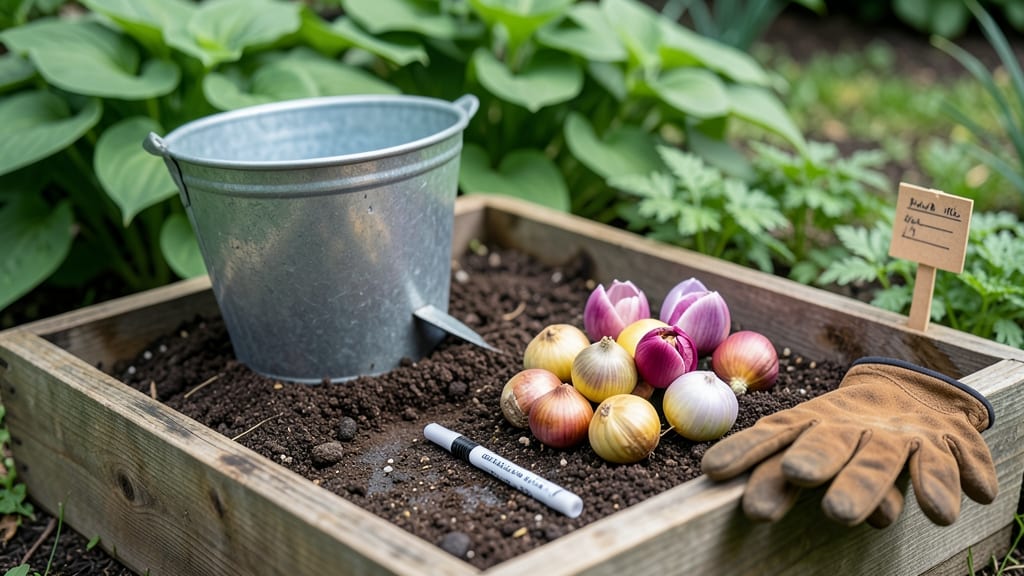
Planting bulbs in the garden at the right time ensures vibrant blooms and strong roots, and the best window is 6-8 weeks before your first frost or in early spring.
Did you know that planting your garden bulbs under the right moon phase can boost their growth by up to 30%? Timing isn’t just about seasons—it’s about celestial cycles that influence root development and vibrant blooms.
For USDA Zone 6a, like many gardeners, fall planting is ideal for classic bulbs like tulips and daffodils, while spring is perfect for varieties like gladiolus and dahlias. Missing this window can mean weaker growth or even failed blooms.
In this guide, I’ll break down the best times to plant by season, how moon phases play a role, and practical tips to avoid common mistakes—so you can enjoy a garden full of color year after year.
Best moon phases for planting bulbs: a gardener’s lunar calendar
Planting bulbs under the right moon phase can transform your garden from merely pretty to spectacular. The moon’s gravitational pull affects soil moisture, root development, and even nutrient absorption—key factors for bulb success.
Whether you’re planting tulips, daffodils, or hyacinths, aligning your schedule with lunar cycles can mean the difference between wimpy sprouts and vibrant blooms.
Most gardeners focus on seasonal timing, but the moon’s phases offer a finer-tuned approach. For example, planting during the waxing moon (when the moon is growing brighter) encourages above-ground growth, perfect for bulbs that need strong roots before winter.
Meanwhile, the waning moon (when the moon is shrinking) is ideal for root-focused tasks like dividing bulbs or preparing beds.
Here’s the key: Spring-blooming bulbs (like tulips) thrive when planted during the waning moon in fall, while summer-blooming bulbs (like dahlias) benefit from a waxing moon in spring. The right timing isn’t just folklore—it’s rooted in gravitational science that influences how plants absorb water and nutrients.
⚠️ CRITICAL NOTE: Always pair moon phases with seasonal guidelines. For instance, you can’t plant fall bulbs in summer, no matter the moon’s phase. Think of lunar timing as the fine-tuning to your garden’s seasonal rhythm.
The new moon is your best friend for fall bulb planting. This phase aligns with nature’s cycle of rest and renewal, making it perfect for planting bulbs that need to establish roots before winter.
Aim to plant 6-8 weeks before your first frost, and you’ll give your bulbs enough time to anchor deeply before the ground freezes.
For spring-planted bulbs, like gladiolus or dahlias, the waxing moon is ideal. This phase boosts above-ground growth, helping bulbs develop strong stems and leaves before they bloom. Plant them in early spring when the soil is workable but not soggy—usually as soon as the ground thaws.
Many gardeners overlook the waning moon, but it’s a hidden gem for late-fall planting. If you missed the ideal window in early fall, a waning moon can still help bulbs like alliums or hyacinths establish roots before dormancy.
Just be sure to mulch heavily to insulate them from freezing temperatures.
One common mistake is planting bulbs during a full moon. While this phase is great for harvesting or pruning, its high energy can stress young bulbs. Save full-moon planting for seeds or leafy greens—bulbs need gentler conditions to thrive.
To maximize success, combine moon phases with soil prep. Loosen the soil to a depth of 12-18 inches and mix in compost or aged manure for nutrients. Bulbs need well-draining soil, so avoid heavy clay unless you amend it with sand or perlite.
Pro tip: Mark your lunar calendar with highlighters for each moon phase. I use a red pen for new and waxing moons (planting days) and blue for waning moons (root-focused tasks). This visual reminder keeps me on track during busy gardening seasons.
Remember, the moon’s influence is just one piece of the puzzle. Pair it with proper bulb depth (usually 2-3 times the bulb’s height) and consistent watering after planting. With the right timing, your bulbs will reward you with lush foliage and showstopping blooms year after year.
Seasonal planting guide: when to plant bulbs by climate zone
Timing your bulb planting correctly ensures vibrant blooms and healthy growth. Most gardeners focus on fall planting for spring-flowering bulbs like tulips and daffodils, but spring-planted varieties like gladiolus and dahlias also thrive with the right schedule.
Your USDA climate zone determines the perfect window, especially when accounting for early/late frosts.
In USDA zones 3-5, where winters are harsh, aim to plant fall bulbs 6-8 weeks before the first frost—typically between September and mid-October. Zones 6-10, with milder winters, offer a broader window, often extending into November.
Spring-planted bulbs, like cannas, should go in as soon as soil is workable, usually March-April.
| Zone | Fall Planting (Spring Blooms) | Spring Planting (Summer/Fall Blooms) | Key Notes |
|---|---|---|---|
| 3-5 | September 15 - October 15 | April 1 - May 1 | Early frost risk; use mulch |
| 6-7 | October 1 - November 1 | March 15 - April 15 | Moderate frost; plant after soil thaws |
| 8-9 | November 1 - December 1 | February 15 - March 15 | Mild winters; extend planting |
| 10 | December 1 - January 15 | January 15 - February 15 | Warm winters; plant anytime |
For USDA zones 3-5, prioritize hardy bulbs like alliums and snowdrops, which tolerate colder soils. In warmer zones 6-10, you can experiment with tropical bulbs like ginger lilies, planted in late winter.
Always check your local frost dates—planting too early can rot bulbs before dormancy sets in.
Adjust your schedule for late frosts by monitoring weather forecasts. In zone 7, for example, a sudden cold snap in March might delay spring planting. Use row covers or mulch to protect newly planted bulbs. Pro tip: Plant daffodils before tulips in fall—they handle cold better and deter squirrels!
Spring-planted bulbs, such as dahlias and gladiolus, need warm soil to sprout. Wait until nighttime temperatures stay above 50°F (10°C). In zone 10, where winters are mild, you can plant summer bulbs like crocus as early as January for a head start.
Remember, soil temperature matters more than air temperature. Use a soil thermometer to confirm it’s 50-60°F (10-15°C) before planting spring bulbs. In zone 4, this might mean waiting until late April, while zone 8 gardeners can start in February. Plan ahead for a showstopping spring display!