
Planting
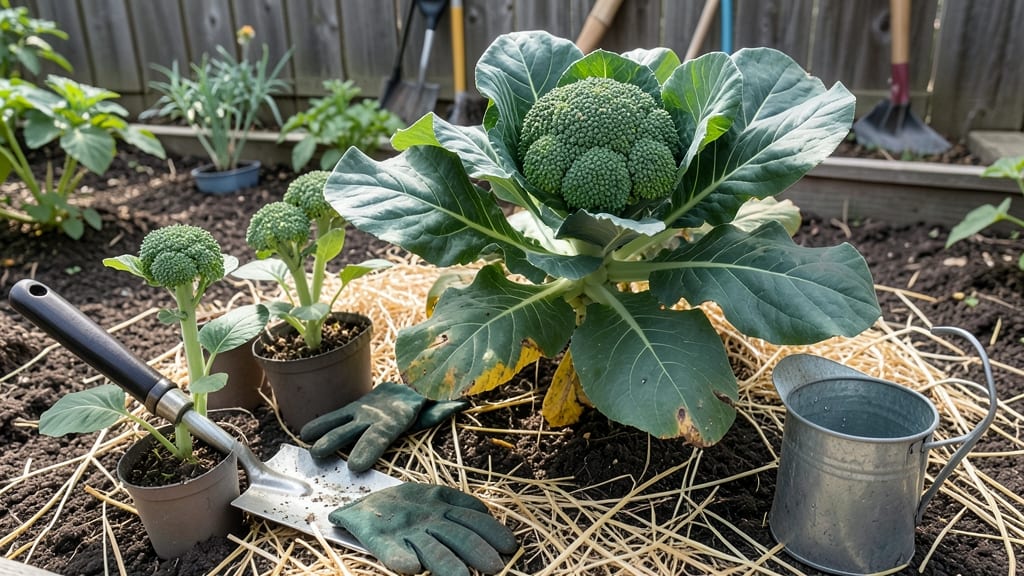
Planting your fall garden in Alabama between mid-August and early October is the key to a bountiful harvest before the first frost hits.
Alabama’s warm climate means fall gardening can be a goldmine—but planting too early or late risks frost damage or poor yields. Timing is everything, and these exact dates will help you maximize your harvest before winter sets in.
With Alabama’s USDA zones 7a-8b, you’ve got a window of about 6-8 weeks before the first frost (usually mid-November in most regions). That’s just enough time to grow cool-season crops like broccoli, kale, and spinach.
Below, I’ll break down the best planting dates by crop type, soil prep tips, and how to extend your harvest with row covers—so you can enjoy fresh veggies straight from your garden all the way into winter.
Best fall planting dates in Alabama by USDA zone (2024 guide)
Alabama’s USDA Zones 7A-8B offer a unique advantage for fall gardening—longer growing seasons and milder winters compared to northern states. But timing is critical: plant too early, and your cool-season crops bolt in the heat; too late, and frost ruins your harvest.
The key is 6-8 weeks before your first frost, which typically arrives between mid-November (Zone 7A) and late November (Zone 8B).
For Zone 7A (northern Alabama, e.g., Huntsville), aim to plant most cool-season crops by September 15th to avoid frost damage. In Zone 8B (southern Alabama, e.g., Mobile), you’ve got a little more flexibility, with safe planting extending into early October.
Soil temperatures should ideally stay between 50-70°F for optimal germination and growth.
Here’s the golden window for Alabama’s fall garden: mid-August to early October. This timeline ensures your broccoli, kale, spinach, and carrots mature before winter sets in.
For transplants (like seedlings), start 4-6 weeks before your target planting date, while direct-sowing (like radishes or lettuce) can happen closer to the first frost.
| USDA Zone | First Frost Date | Ideal Planting Window | Soil Temp Threshold | Best Crops to Plant |
|---|---|---|---|---|
| 7A (e.g., Huntsville) | Mid-November | Mid-August to September 15 | 50-70°F | Broccoli, Kale, Spinach, Carrots, Radishes |
| 7B (e.g., Birmingham) | Late November | Late August to September 25 | 50-70°F | Lettuce, Collards, Turnips, Brussels Sprouts |
| 8A (e.g., Montgomery) | Early December | Late August to October 5 | 55-75°F | Peas, Swiss Chard, Mustard Greens, Beets |
| 8B (e.g., Mobile) | Late November | Late August to October 15 | 55-75°F | Cabbage, Cauliflower, Onions, Garlic |
If you’re planting transplants (like seedlings from a nursery), start them indoors 4-6 weeks before your target outdoor date. For example, in Zone 7A, begin transplanting broccoli seedlings around August 15th to ensure they’re established before frost.
For direct-sowing crops like radishes or lettuce, you can plant as late as October 1st in most zones, as they mature quickly.
Pay close attention to soil temperatures. Cool-season crops thrive when soil stays between 50-70°F. Use a soil thermometer to check—if temps rise above 80°F, your seeds may fail to germinate. In hotter zones like 8B, consider using shade cloth to protect young seedlings until soil cools.
Don’t forget to prepare your soil before planting. Alabama’s clay-heavy soils benefit from compost or aged manure to improve drainage and fertility. Aim for a pH of 6.0-7.0, which is ideal for most cool-season vegetables. A simple soil test (available at local extension offices) can save you from guesswork.
For slow-growing crops like Brussels sprouts or cabbage, plant them 8-10 weeks before frost to ensure they mature before winter. In contrast, fast growers like radishes or spinach can be sown just 3-4 weeks before frost for a quick harvest.
Succession planting—sowing small batches every 2 weeks—keeps your harvests steady.
Watch your local weather forecasts in late September. If a cold snap is predicted, cover tender seedlings with floating row covers or lightweight blankets. This extra protection can buy you 2-3 weeks of growing time, extending your harvest into December in milder zones.
Finally
Top 7 fall vegetables to plant in Alabama (and when to Start seeds indoors)
Fall gardening in Alabama rewards patience with crisp harvests, but timing is critical. Plant too early, and your crops bolt in the heat; too late, and frost ruins your efforts.
The key is selecting fast-maturing varieties and starting seeds at the right time to ensure a harvest before mid-November frosts. These seven vegetables thrive in Alabama’s fall climate, offering both high yields and cold tolerance.
For Alabama’s USDA Zones 7A-8B, aim to plant cool-season crops 6-8 weeks before your first frost (typically mid-November in northern regions, later in the south). Some crops, like collards and kale, can even survive light frosts, sweetening their flavor.
Below, I’ve outlined the best indoor seed-starting dates and direct-sow windows for maximum success.
- 1 Broccoli – Start seeds indoors August 1-15; transplant September 1-15. Harvest in 90-100 days. Choose ‘De Cicco’ for cold tolerance.
- 2 Carrots – Direct-sow August 15-September 15. Harvest in 60-75 days. Use ‘Danvers’ for crisp roots; thin seedlings to 3 inches apart.
- 3 Collards – Start seeds indoors August 15-September 1; transplant September 15-October 1. Harvest in 50-60 days. ‘Georgia Southern’ handles frost beautifully.
- 4 Kale – Direct-sow August 20-September 30. Harvest in 45-55 days. ‘Winterbor’ sweetens with frost; cut outer leaves to prolong harvest.
- 5 Radishes – Direct-sow August 25-October 10. Harvest in 25-30 days. ‘Cherry Belle’ is fast and heat-tolerant; succession plant every 2 weeks.
- 6 Spinach – Start seeds indoors September 1-15; transplant September 20-October 5. Harvest in 40-50 days. ‘Bloomsdale Long Standing’ resists bolting.
- 7 Turnips – Direct-sow September 1-October 15. Harvest greens in 30 days; roots in 50-60 days. ‘Purple Top White Globe’ stores well in cool cellars.
For fastest results, prioritize radishes and lettuce—they mature in as little as 30 days, giving you an early harvest before cooler weather slows growth.
If you’re aiming for a winter harvest, focus on collards, kale, and spinach, which can tolerate light frosts and even improve in flavor after a freeze.
Pro tip: Use row covers to extend the season by 2-4 weeks for crops like broccoli and carrots. Simply drape lightweight fabric over seedlings when nighttime temps dip below 40°F. This simple trick can push your harvest into early December in most of Alabama.
Remember, soil temperature matters. Wait until soil cools to 70°F or below before direct-sowing seeds. Use a soil thermometer to check—cool roots grow best in 60-70°F soil. With these timelines, you’ll avoid the heat stress of summer planting while still beating the first frost.