Planting
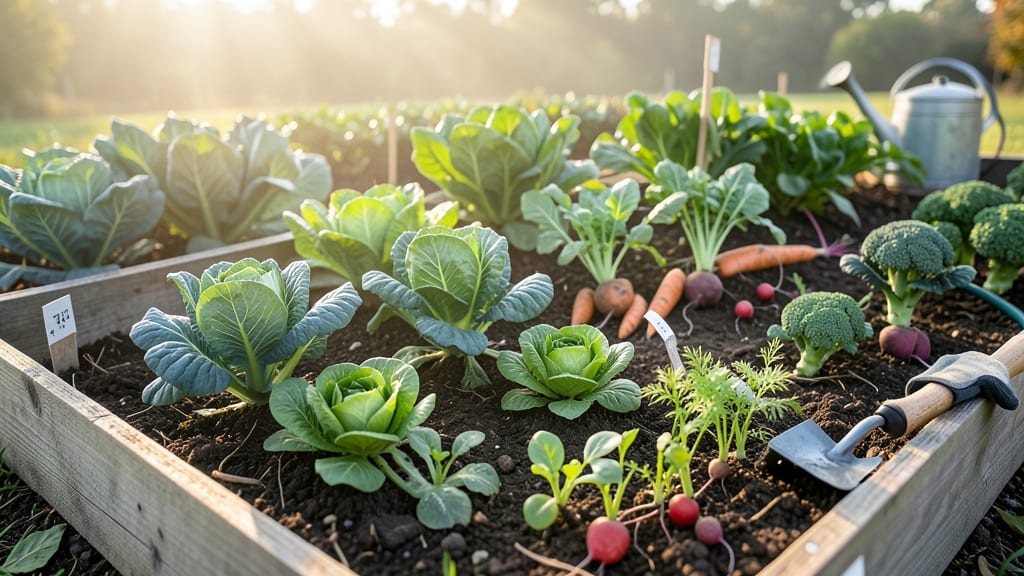
Planting your fall garden in Central Texas between mid-August and early October is the key to beating the first frost and enjoying a bountiful harvest 🥬.
Central Texas gardeners know the window between summer heat and winter frost is short—but planting at the perfect time can mean the difference between a thriving harvest and a failed crop. Miss these exact dates, and you risk early freezes ruining your hard work.
With USDA Zone 8a-8b conditions, your fall garden thrives when planted 6-8 weeks before the first frost, typically around November 15. This gives cool-season crops like kale, broccoli, and carrots enough time to mature before temperatures drop.
In this guide, I’ll break down the ideal planting dates, top heat-tolerant crops, and proven strategies to extend your harvest well into December—so you can enjoy fresh veggies without the frost risk.
Fall planting dates in Central Texas: avoiding frost risk by the numbers
Central Texas gardeners face a critical 6-week window between summer's lingering heat and the first frost. The average first frost date in USDA Zones 8a/b (like Austin and San Antonio) falls around November 15, but early freezes can strike as soon as October 20.
Planting too early risks bolting from residual summer heat, while late planting leaves crops vulnerable to frost damage before maturity.
To maximize your harvest, aim to plant cool-season crops 4-6 weeks before the expected frost date. This means starting seeds or transplants between mid-August and early October. For example, kale and broccoli need 60-80 days to mature, so they must be in the ground by mid-September to avoid frost.
Meanwhile, radishes and spinach can handle shorter windows and tolerate light frosts.
The key is understanding your microclimate. Urban areas like Austin often experience earlier frosts due to the "urban heat island" effect, while rural zones may delay frost by 7-10 days. Check your local Cooperative Extension Service for precise frost probability data tailored to your zip code.
Even a 5°F difference in nighttime lows can shift your planting timeline by 1-2 weeks.
| Crop | Ideal Planting Window | Days to Maturity | Frost Tolerance | Soil Temp Threshold (°F) |
|---|---|---|---|---|
| Broccoli | Mid-August to Sept 15 | 60-80 days | Light frost (28°F) | 45-65°F |
| Kale | Late August to Oct 1 | 50-70 days | Heavy frost (20°F) | 40-60°F |
| Carrots | Sept 1 to Sept 25 | 60-80 days | Light frost (28°F) | 50-70°F |
| Spinach | Sept 15 to Oct 10 | 30-50 days | Moderate frost (25°F) | 40-55°F |
| Lettuce | Late Aug to Oct 1 | 30-60 days | Light frost (28°F) | 45-60°F |
| Radishes | Sept 15 to Oct 15 | 25-30 days | Heavy frost (15°F) | 50-70°F |
Soil temperature is just as critical as air temperature. Most cool-season crops require soil temps between 45°F and 65°F to germinate. In Central Texas, soil temps can stay above 85°F in August, making it impossible to plant broccoli or cauliflower until late August.
Use a soil thermometer to confirm readiness—planting too early in warm soil leads to poor germination or stunted growth.
For heat-sensitive crops like lettuce, start seeds indoors in late July and transplant outdoors after September 1, when daytime highs drop below 90°F. Alternatively, use shade cloth (30-50%) to protect seedlings from intense afternoon sun during the transition period.
This "hardening off" process should take 7-10 days to prepare plants for outdoor conditions.
Pro tip: Track your local frost probability using the National Weather Service's "Frost/Freeze Forecast" or apps like PlantNet. In Central Texas, the chance of frost rises from 10% in early October to 80% by November 1.
Planting hardy greens like kale or spinach in late September gives you a 60% chance of avoiding frost before harvest.
If you're aiming for a winter harvest, prioritize crops with the longest frost tolerance. Collard greens and Swiss chard can survive 20°F temps, while <
Top 5 fast-growing fall vegetables for Central Texas heat tolerance
Fall gardening in Central Texas doesn't mean sacrificing speed—some crops thrive in our warm September soils while still delivering quick harvests before frost. I've selected five heat-tolerant vegetables that mature fast enough to beat November's chill while resisting our lingering summer heat better than typical cool-season crops.
These varieties handle Central Texas's 80°F soil temperatures better than lettuce or spinach, giving you a 3-6 week head start on harvests. The key is planting them mid-August to early September—just as daytime highs start dropping but soil stays warm enough for germination.
- 📅 Mid-August: Plant bush beans and radishes (soil temps 75-85°F) for 45-50 day harvests by October.
- 📅 Early September: Sow Swiss chard and turnips (soil temps 70-80°F) for 50-60 day maturity before frost.
- 📅 Late September: Direct-seed kale (cold-hardy) for 60-70 day harvests extending into December.
- 💡 Pro Tip: Use black plastic mulch to maintain 5°F warmer soil for 2-3 extra weeks of growth.
- ⏰ Harvest Window: Prioritize leafy greens (chard, kale) over root crops (turnips) for earliest edible yields.
Let's start with bush beans, my top pick for Central Texas fall gardens. These heat-loving legumes handle our 90°F daytime highs in August while still producing pods in just 45-50 days.
Plant them mid-August to early September in full sun with well-draining soil, and you'll harvest before the first frost.
Next, radishes deliver the fastest harvest—just 25-30 days from seed! Their small size makes them perfect for interplanting between slower-growing crops like carrots. For best results, sow them every 2 weeks from mid-August to late September to ensure continuous harvests.
Swiss chard earns its spot as the most heat-tolerant leafy green for Central Texas. Unlike spinach, it won't bolt in our warm fall soils and continues producing tender leaves for 60+ days. Plant it early September in partial shade to prevent bolting while still getting full sun for vigorous growth.
Don't overlook turnips, which mature in 50-60 days and handle our variable fall temperatures better than most root crops. Their edible greens add bonus harvests! Plant them late August to early September in loose, rocky-free soil to prevent forking.
Finally, kale is the ultimate frost-tolerant crop for extending your fall harvest. While it takes 60-70 days to mature, its cold-hardiness lets you plant it late September for harvests through December. Choose Lacinato or Red Russian varieties—they handle our Central Texas heat better than curly kale.