
Planting
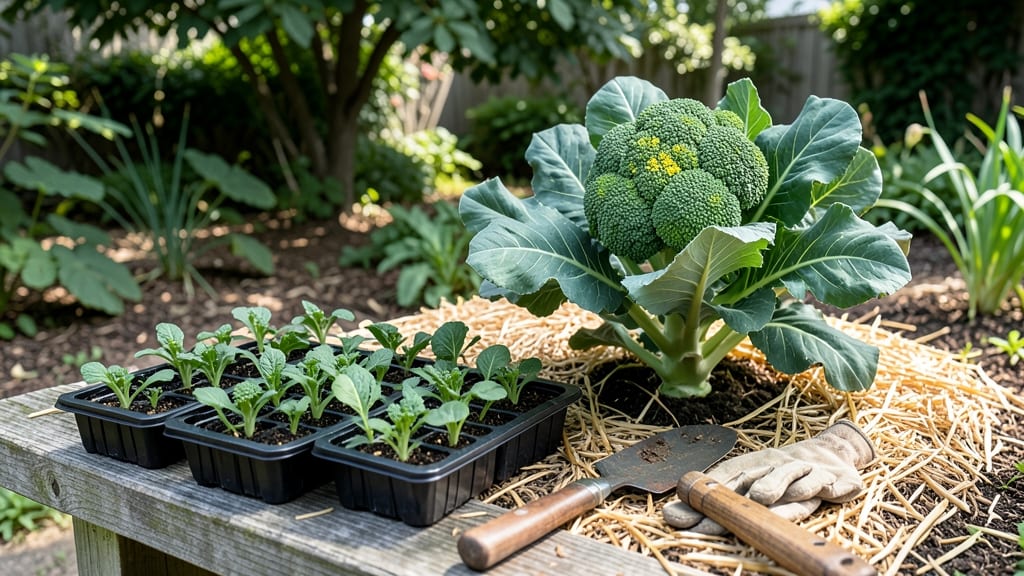
To plant a fall garden in South Texas, start between mid-August and early October when daytime highs dip below 90°F—this is the sweet spot for heat-tolerant 🌱 varieties before winter sets in.
South Texas gardeners face a unique challenge: scorching summer heat that lingers longer than most regions—but with the right timing, you can still grow a thriving fall garden before temperatures plummet.
Planting at the wrong time means wilted seedlings and wasted effort, while perfect timing unlocks heat-tolerant crops that flourish when the heat finally fades.
This isn’t just about avoiding frost—it’s about working with the 9a-10a climate to maximize your harvest. Fast-maturing crops like Malabar spinach or black-eyed peas thrive in these conditions, while slower growers need to be in the ground early enough to mature before the first chill arrives.
Below, I’ll break down the exact planting windows for your region, the best crops for South Texas soil, and how to prep your garden for a high-yield fall harvest—no guesswork, just proven strategies for your zone.
Optimal planting dates for fall vegetables in South Texas heat Zones
South Texas gardeners know the struggle: summer heat clings to 90°F+ temperatures well into September, making fall planting a delicate balance. The key is timing—plant too early, and seedlings bolt; too late, and crops won’t mature before first frost risks (around December 1).
My strategy? Start with heat-tolerant varieties in late August and transition to cool-season crops by mid-September.
USDA Zones 8a-9a in South Texas demand special attention. Most gardeners here avoid planting until soil temps drop below 85°F, which typically happens by mid-to-late August. I test soil temps with a soil thermometer at 4-inch depth—if it’s above 90°F, wait.
This prevents seedling stress and ensures strong root development before cooler weather arrives.
| Crop Type | Ideal Planting Window | Temperature Threshold | Lunar Phase Tip | Notes for South Texas |
|---|---|---|---|---|
| Heat-Tolerant Greens | Late August - Early September | Soil <85°F | Plant during waxing moon for leafy growth | Malabar spinach, New Zealand spinach |
| Legumes | Mid-August - Late September | Air <90°F | Avoid full moon for seed planting | Black-eyed peas, cowpeas |
| Cool-Season Greens | Mid-September - Early October | Soil <80°F | Use rooting moon for transplants | Kale, collards, lettuce |
| Root Vegetables | Late August - Mid-September | Soil <85°F | Plant during fruitful moon for sweetness | Carrots, radishes, turnips |
| Brassicas | Early September - Mid-October | Air <85°F | Transplant during waxing gibbous | Broccoli, cabbage, Brussels sprouts |
For heat-tolerant crops, I start seeds indoors in early August to give them a head start. Transplant seedlings outdoors only after three true leaves appear and nighttime temps stay above 70°F.
My go-to varieties include Malabar spinach (thrives at 95°F) and black-eyed peas, which fix nitrogen in the soil—a win for future plantings.
Transitioning to cool-season crops by mid-September is critical. I wait until soil temperatures drop below 80°F to plant leafy greens like kale and collards. These crops handle South Texas’s mild winters beautifully and can even survive light frosts.
Pro tip: Use row covers if temps dip below 30°F to protect tender seedlings.
Lunar planting phases play a surprisingly big role in my success. I align seed sowing with the waxing moon for leafy crops (like spinach) and the rooting moon for root vegetables (like carrots).
For transplants, I opt for the waxing gibbous phase, which promotes strong root establishment. This old-school method has helped me avoid bolting in heat-sensitive crops.
Don’t overlook succession planting—it’s my secret weapon for a continuous harvest. After harvesting early greens in October, I replant
Top 7 heat-tolerant fall crops that outperform in South Texas soil
When summer refuses to surrender its grip in South Texas, most gardeners pack up their tools—but the smart ones know heat-tolerant crops can still thrive.
These 7 powerhouse plants don’t just survive the lingering 90°F heat; they outperform traditional fall crops by producing bigger yields and deeper flavors in our unique soil conditions.
Unlike cool-season crops that bolt at the first hint of warmth, these varieties were bred for resilience. They handle drought stress, heavy clay soils, and intense afternoon sun—making them perfect for August through early October plantings when most gardeners have already given up.
Malabar spinach tops the list with a 9/10 heat tolerance—this tropical relative of true spinach thrives in 95°F+ conditions and produces tender shoots for months. Plant seeds directly in soil from mid-August to early September; it matures in just 45-60 days and handles our heavy clay better than most greens.
Next, black-eyed peas deliver double the protein of regular peas while enduring drought and heat waves. Sow seeds August through September for a harvest window from October to December. Their deep root systems also improve soil structure in compacted South Texas clay.
New Zealand spinach (not true spinach!) earns its place with succulent, heat-resistant leaves that stay crisp even when temps hover at 90°F. Direct-sow late August to early October; it bolts later than traditional spinach and produces for 6+ weeks in fall gardens.
Okra might seem like a summer crop, but its long harvest window makes it ideal for fall plantings. Start seeds August 15-September 15 for pods ready by October. This drought-tolerant powerhouse continues producing until first frost, often yielding 2-3 harvests per plant.
For root crops, sweet potatoes shine with 7/10 heat tolerance. Plant slips late August to early September; they’ll mature by December and store for months. Their shallow roots make them perfect for poorly drained areas where other crops struggle.
Don’t overlook cowpeas—these nitrogen-fixing legumes improve soil while producing edible pods and seeds in 90°F+ heat. Sow seeds August through September for a harvest by November. Their deep taproots access water deep in our clay-heavy soil.
Finally, Swiss chard (especially Bright Lights variety) handles South Texas heat better than most leafy greens. Plant late August to early October for colorful stems and leaves ready by October. Its broad leaves provide shade for soil, reducing moisture loss.