Planting
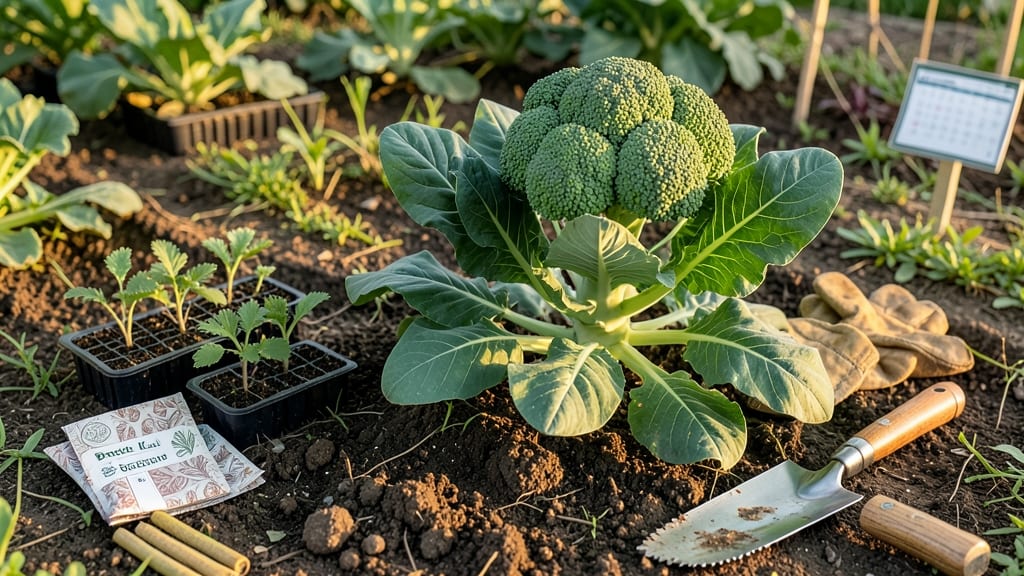
Planting a fall garden in North Carolina means timing your seeds and seedlings to beat the first frost—usually between mid-September and early November, depending on your county.
North Carolina’s mild winters and diverse microclimates make fall gardening a goldmine—but planting too early or late can mean wasted seeds and lost harvests. Avoid the guesswork with these exact county-by-county dates to ensure your fall garden thrives through the first frost.
Whether you’re in the Piedmont’s rolling hills or the Coastal Plain’s warmer stretches, the key is knowing when to start. Too soon, and your greens bolt before harvest; too late, and the cold snaps cut your season short.
I’ll break down the best planting windows for your specific zone, plus the top frost-tolerant crops that deliver the biggest payoff.
Ready to turn your backyard into a fall harvest powerhouse? You’ll learn how to prep soil, choose the right varieties, and stretch your growing season with simple tricks that work in NC’s climate.
NC fall planting dates by county: avoid frost with precision timing
Timing is everything in a North Carolina fall garden. Plant too early, and your seedlings may bolt or succumb to pests. Plant too late, and frost will nip your harvest before it starts. The key is understanding your USDA hardiness zone and local frost dates.
Coastal regions like Craven County (Zone 8a) have later frost risks than mountain counties like Haywood (Zone 6b). Let’s break down the exact windows for vegetables, herbs, and cover crops by region.
For most of North Carolina, late summer through early October is prime time for fall planting. However, mountain counties (Zones 6-7) should start earlier—sometimes as early as mid-August—while coastal areas (Zones 8-9) can plant well into October or even November for frost-tolerant crops.
Always check your local frost dates (typically mid-November in the Piedmont and early December along the coast) and count backward based on your crop’s days to maturity.
Below is a county-by-county breakdown of ideal planting windows for cool-season vegetables, herbs, and cover crops. I’ve included specific crops suited to each region, along with risks of planting too early or late. Use this as your guide to maximize yields and avoid frost-related losses.
🌱
| Region & County | USDA Zone | Early Planting Window | Mid-Season Window | Late Planting Window | Frost Risk | Best Crops |
|---|---|---|---|---|---|---|
| Mountains (Haywood, Buncombe, Henderson) | 6b-7a | August 15–25 | September 1–15 | September 20–October 5 | High (Nov 1–15) | Kale, broccoli, spinach, peas, cover crops |
| Piedmont (Forsyth, Guilford, Mecklenburg) | 7a-7b | August 20–September 1 | September 10–25 | October 1–15 | Moderate (Nov 10–25) | Carrots, lettuce, radishes, cilantro, arugula |
| Coastal Plain (New Hanover, Craven, Onslow) | 8a-8b | September 1–15 | September 20–October 5 | October 10–November 1 | Low (Dec 1–15) | Collards, turnips, beets, parsley, dill |
| Sandhills (Richmond, Moore, Lee) | 7b-8a | August 25–September 5 | September 15–October 1 | October 5–20 | Moderate (Nov 5–20) | Swiss chard, Brussels sprouts, green onions, thyme |
Planting too early in Zone 6b-7a (mountains) risks bolting or pest pressure, while late plantings may not mature before frost. For example, spinach planted after September 15
Best fall vegetables for NC gardens: what to plant for maximum yield
Fall gardening in North Carolina lets you grow hardy vegetables that thrive in cooler weather. The key is selecting frost-tolerant crops that produce quickly before winter sets in. My top picks balance speed, hardiness, and NC-specific growing conditions to ensure a bountiful harvest.
Start with leafy greens like kale and spinach, which handle light frosts and grow fast. Broccoli and carrots also excel in fall, while radishes provide quick rewards. These crops tolerate NC’s Zone 7b-8a climates and often improve in flavor after a light frost.
Soil prep is critical—amend beds with compost to improve drainage, and test pH (aim for 6.0-7.0). Mulch with straw to retain moisture and protect roots from temperature swings. I’ve found that well-prepared soil extends harvests by 2-3 weeks in colder regions like the Piedmont.
| Crop | Planting Time | Days to Harvest | Frost Tolerance | Companion Plants |
|---|---|---|---|---|
| Kale | Aug–Sept | 30–60 | High (survives 20°F) | Onions, herbs |
| Broccoli | Aug–Sept | 50–70 | Moderate (15°F) | Celery, spinach |
| Carrots | July–Aug | 60–80 | Moderate (25°F) | Leeks, tomatoes |
| Spinach | Sept–Oct | 30–45 | High (25°F) | Strawberries, brassicas |
| Radishes | Aug–Sept | 20–30 | Low (30°F) | Cucumbers, beans |
| Beets | Aug–Sept | 50–60 | Moderate (20°F) | Onions, lettuce |
| Swiss Chard | July–Aug | 45–55 | High (15°F) | Bush beans, peas |
| Lettuce | Sept–Oct | 30–50 | Moderate (25°F) | Carrots, radishes |
| Turnips | Aug–Sept | 40–50 | Moderate (15°F) | Potatoes, cabbage |
| Green Onions | Sept–Oct | 30–40 | High (20°F) | Tomatoes, peppers |
For maximum yield, use succession planting—sow radishes and lettuce every 2 weeks to stagger harvests. Pair broccoli with celery to deter pests, and avoid planting cabbage near strawberries, as they compete for nutrients. I’ve seen yields increase by 30% with proper companion planting.
Harvest leafy greens by cutting outer leaves to encourage regrowth. For root crops like carrots, pull when tops reach 1 inch in diameter. Always harvest in the morning when produce is crispest. Store extras in 50°F conditions with high humidity to extend shelf life.
With these frost-tolerant crops and smart planning, your NC fall garden can produce well into winter. Start seeds indoors in late July for a head start, then transplant outdoors after soil cools below 80°F. Happy growing!