
Planting
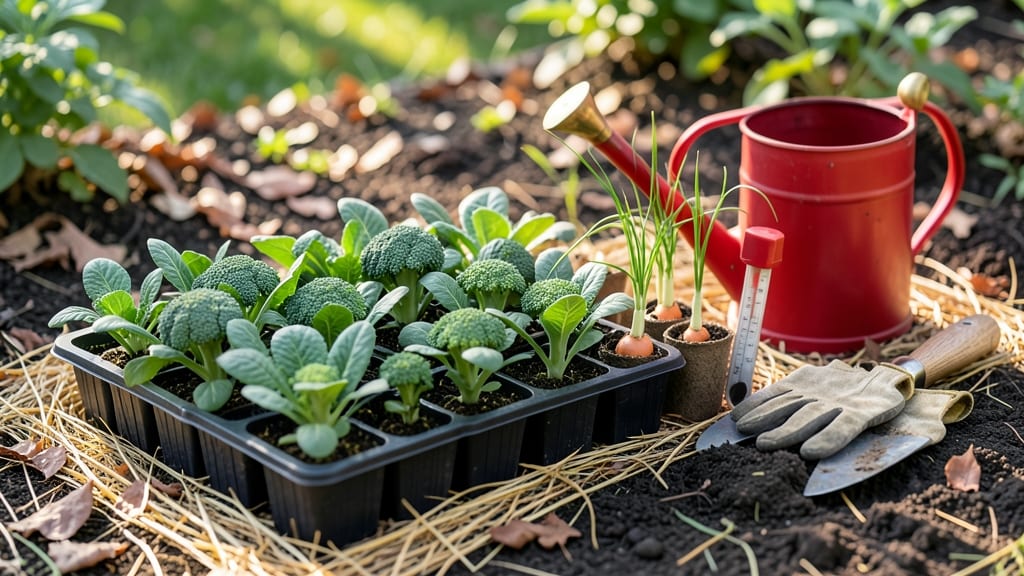
Planting a fall garden in Texas means timing your seeds and transplants to beat the heat and avoid early frosts—mid-August to early October is your sweet spot for most cool-season crops.
Texas gardeners know timing is everything—plant too early, and a sudden frost wipes out your hard work; too late, and your fall harvest shrinks. But with the right schedule, you can enjoy fresh greens, root vegetables, and cool-season crops all winter long—without the risk of frost.
In zones 8a-10b, the key is working backward from your first frost date—typically November 15 in North Texas and December 15 in South Texas. That means starting seeds indoors or buying transplants 6-8 weeks before those dates, so they’re ready to thrive when temperatures drop.
Below, I’ll break down the exact planting windows for your region, the top 5 fast-growing crops that handle Texas heat and cold, and how to stretch your harvest well into December with simple protection tricks.
Texas fall planting calendar: exact dates by hardiness Zone for zero-frost crops
Timing your fall garden in Texas means avoiding first frost while giving crops enough time to mature. Texas spans USDA zones 6-10, each with unique frost dates and soil conditions.
For example, North Texas (Zone 8a) typically sees its first frost around November 15, while South Texas (Zone 10a) rarely drops below freezing. Planting too early risks heat stress, while late planting cuts harvest windows short.
Start by checking your local frost dates—most Texas regions have 120-150 frost-free days in fall. For cool-season crops like lettuce and spinach, aim to plant 6-8 weeks before frost.
Soil temperatures should ideally stay between 50-75°F for optimal germination. Use a soil thermometer to monitor—if temps exceed 85°F, delay planting until evenings cool.
Below is your zone-specific planting calendar for zero-frost crops. Adjust dates 1-2 weeks earlier for high-elevation areas (e.g., Hill Country) and 1-2 weeks later for coastal regions (e.g., Houston, Corpus Christi). Always prioritize direct sowing for root crops like carrots and radishes—they transplant poorly.
For transplants (like broccoli or kale seedlings), start 4-6 weeks before your zone’s first frost date. Harden off seedlings by placing them outdoors for 2-3 hours daily in the week leading up to transplanting.
Avoid planting heat-loving crops like tomatoes or peppers—save those for spring. Instead, focus on cool-season varieties that thrive in 50-70°F temps.
Soil prep is critical in Texas’ clay-heavy soils. Amend beds with 2-3 inches of compost and mix in sand or perlite to improve drainage. Test soil pH—most cool-season crops prefer 6.0-7.0.
If your soil is alkaline (common in Texas), add sulfur or peat moss to lower pH. Mulch with straw or shredded leaves to retain moisture and suppress weeds.
Water deeply after transplanting to encourage root growth, then taper to 1 inch per week once established. Use drip irrigation or soaker hoses to avoid wetting foliage, which reduces fungal diseases like downy mildew.
In Zone 7-8, consider row covers for early frosts—these can extend harvests by 2-4 weeks.
Monitor your garden for pests like cabbage worms or aphids, which thrive in fall. Handpick larger pests or use neem oil for organic control. If a light frost (below 32°F) hits, cover tender crops with frost blankets or old sheets.
Most leafy greens survive 28°F, but broccoli and carrots may bolt if exposed to prolonged cold.
Plan for succession planting every 2-3 weeks after your initial sowing. This ensures a steady harvest—by the time your first spinach
Top 5 fast-growing fall crops for Texas gardens (and how to extend their season)
Texas's mild winters create the perfect opportunity for a thriving fall garden, but selecting the right fast-growing crops makes all the difference. These five varieties thrive in cooler temperatures, deliver quick harvests, and can be protected from early frosts with simple techniques.
Whether you're in zone 7 or zone 10, these crops will keep your table stocked through December.
My top picks focus on low-maintenance plants that mature in 45-60 days, giving you a harvest before winter sets in. Radishes, for example, are ready in just 25-30 days, making them ideal for impatient gardeners.
Pair these with cold-hardy greens like kale or spinach, and you'll have a continuous supply of fresh produce.
🌱Pro Tip: Always plant these crops 6-8 weeks before your first frost date—check your local Texas A&M AgriLife Extension for exact dates. For zones 7-8, aim for mid-September; in zones 9-10, you can extend planting until early October.
- 1 Radishes - Ready in 25-30 days. Plant August-September; use row covers to prevent bolting in heat.
- 2 Turnips - Harvest greens in 30 days, roots in 50 days. Ideal for cool frames in zones 7-8.
- 3 Spinach - Thrives in 50-60°F soil. Succession plant every 2 weeks for continuous harvests. Use straw mulch to insulate roots.
- 4 Kale - Frost-sweetened flavor! Plant late August-October. Protect with floating row covers during light frosts (28°F).
- 5 Carrots - Loose, sandy soil key for straight roots. Plant September-October; harvest before hard frost (25°F).
Extending the season in Texas requires a few simple but effective techniques. For light frosts (28-32°F), use floating row covers—they trap heat while allowing sunlight and water through. In zones 7-8, where frosts hit earlier, consider a cold frame or low tunnel to add 5-10°F protection.
Mulching with straw or leaves (3-4 inches thick) insulates soil and roots, preventing temperature swings. I’ve seen spinach and kale survive 20°F nights with this method alone.
For root crops like carrots and radishes, focus on keeping the soil loose and well-drained—compacted soil leads to forked roots and poor harvests.
🌿Remember: Even in Texas, overwatering in fall can lead to rot, especially with heavy clay soils. Water deeply but infrequently—aim for 1 inch per week—and always in the morning to reduce fungal risks.
With these crops and techniques, your fall garden can outlast winter and give you fresh produce until spring!