
Planting
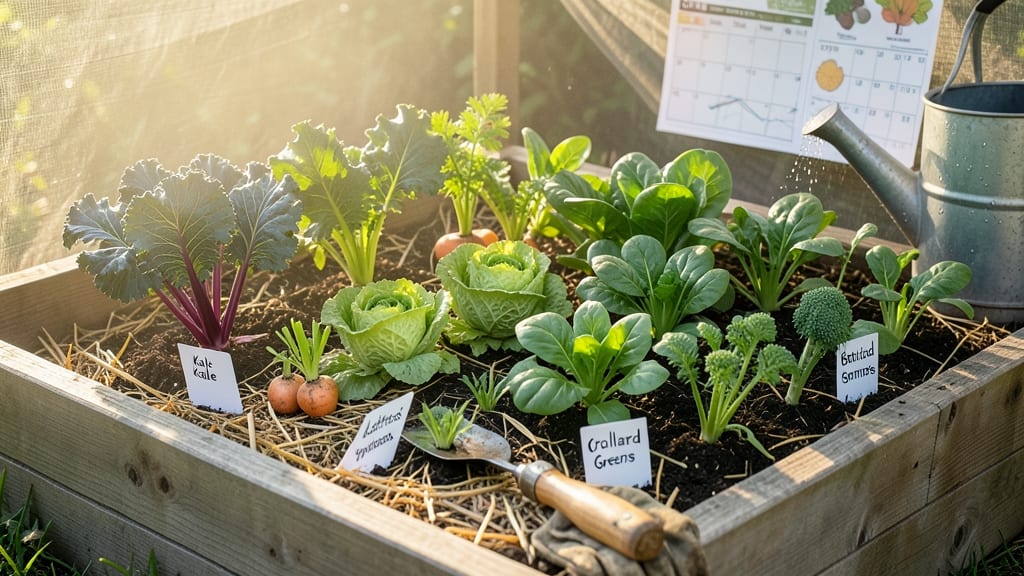
Planting a fall garden in Texas requires timing it just right to beat the heat and avoid early freezes—typically between mid-August and early October, depending on your zone.
Texas gardeners know the struggle—scorching summers and unpredictable freezes—but planting a fall garden can still yield bountiful harvests if timed just right. The key is choosing heat-tolerant crops like Malabar spinach or okra that thrive before the first frost, usually between November 15 and December 1 in most zones.
This guide breaks down the exact planting windows for your region, soil prep tips, and how to extend your harvest season without frost damage. You’ll learn which crops outperform tomatoes in Texas heat and how to adjust for microclimates.
Ready to grow? Discover the 7 fastest-growing fall crops for Texas, plus a frost-proof planting checklist to keep your garden productive until winter.
Texas fall planting calendar: exact weeks to start heat-tolerant crops
Timing your Texas fall garden correctly means the difference between a bountiful harvest and wasted effort. Unlike northern states, Texas' USDA zones 8-10 offer extended growing seasons—but only if you plant at the right moment. The key?
Starting heat-tolerant crops 6-8 weeks before your first frost date, which varies wildly from North Texas (Zone 8a) to South Texas (Zone 10b). Let’s break down the exact planting windows by crop and region.
First, know your frost dates: North Texas (e.g., Dallas) typically sees its first frost around December 1-15, while South Texas (e.g., Houston) holds off until November 15-December 1. Coastal areas like Corpus Christi may escape frost entirely!
Use these dates to work backward—most heat-tolerant crops need 45-60 days to mature, so start seeds or transplants in late August to early September for a fall harvest.
Here’s the critical rule: Cool-season crops (like lettuce or broccoli) need full sun and cooler temps, but heat-tolerant varieties (okra, sweet potatoes, malabar spinach) thrive in late-summer heat and keep producing until frost.
The trick? Succession planting—sow heat lovers early, then swap in cool-season crops as temps drop.
For example, in Zone 9a (Austin), plant okra and black-eyed peas by mid-August for harvests through October. Then, add kale and carrots in late September to stretch your harvest into December.
In Zone 8a (Lubbock), delay heat lovers until early September to avoid 100°F+ soil, which stunts germination.
| Crop | USDA Zones 8-10 Planting Window | Days to Maturity | Key Notes |
|---|---|---|---|
| Okra | Late July–Early Sept | 50–60 days | Thrive in heat; harvest pods at 3–4" |
| Sweet Potatoes | Early Aug–Mid Sept | 90–120 days | Plant slips; harvest before frost |
| Malabar Spinach | Mid-Aug–Late Sept | 45–55 days | Heat-loving; cut-and-come-again |
| Black-Eyed Peas | Late Aug–Early Oct | 60–70 days | Tolerates light frost; fix nitrogen |
| Kale (Cold-Hardy) | Late Sept–Early Oct | 50–60 days | Sweeter after frost; protect with row covers |
| Carrots | Mid-Sept–Late Oct | 60–75 days | Loose soil prevents forking; harvest before hard freeze |
Adjust your planting schedule based on your microclimate. Urban areas like Austin often run 2–3°F warmer than rural zones, delaying frost by 1–2 weeks. Use a frost prediction tool (like the National Weather Service) to fine-tune dates
Best fall crops for Texas heat: 7 fast-growing varieties that outperform tomatoes
Texas summers may be brutal, but fall gardens can still thrive with the right heat-tolerant crops. Unlike traditional cool-season veggies that wilt in late summer, these 7 fast-growing varieties handle Texas heat better than tomatoes—producing harvests long after other plants bolt.
The secret? Choosing drought-resistant plants with deep roots that stay productive even as temperatures dip.
Most gardeners reach for lettuce or kale in fall, but these classic cool-season crops often struggle in Texas’ lingering heat. Instead, focus on okra, black-eyed peas, and malabar spinach, which thrive when nights cool but days stay warm.
These varieties not only outlast tomatoes but also deliver higher yields in the same timeframe.
Comparison Table: Heat-Tolerant vs. Classic Fall Crops
Take okra, for example—a Texas fall garden staple that thrives when tomatoes give up. Plant seeds in late August (Zone 8-10), and you’ll harvest pods in 50-60 days, long after most cool-season crops bolt.
Its deep taproot accesses moisture, while its suckulent pods store water, making it ideal for drought-prone Texas soils.
For leafy greens, skip traditional spinach and try malabar spinach, a tropical relative that stays lush in 95°F heat. Unlike its cool-loving cousin, it doesn’t bolt and produces continuous harvests if you snip leaves every 2-3 weeks.
Pair it with black-eyed peas, which fix nitrogen in the soil while providing protein-rich pods in 75 days—a full month faster than peas in cooler climates.
To maximize yields, amend Texas clay soil with compost and sand for better drainage. These heat-loving crops need 6+ hours of sun but appreciate afternoon shade in Zone 1