
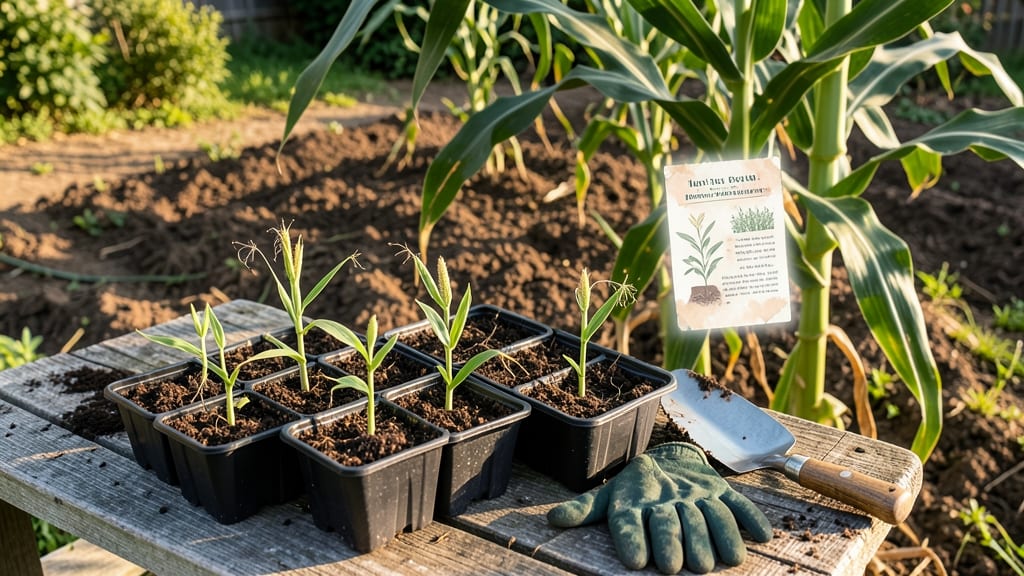
When to Plant Garden in Iowa: USDA Zone 5b Deadlines by Crop Type

Planting

When to Plant Garden in Iowa: USDA Zone 5b Deadlines by Crop Type

Planting a garden in Iowa at the right time is everything—miss the USDA Zone 5b windows, and you risk stunted growth or wasted seeds.

Iowa’s unpredictable spring weather can turn your gardening dreams into a guessing game, but timing your plantings by crop type ensures a thriving harvest.

Cool-season crops like peas and lettuce thrive when planted in early spring, while tomatoes and peppers need to wait until after the last frost—usually around mid-May in most of the state.

Here’s how to align your planting schedule with Iowa’s climate, from frost dates to soil prep tips that keep your garden on track for a bountiful summer harvest.

🌱 When to Plant Garden
Jan ❄️
Feb ❄️
Mar 🌱
Apr 🌱
May 🌱
Jun 🌱
Jul ☀️
Aug ☀️
Sep 🍂
Oct 🍂
Nov 🍂
Dec ❄️
Ideal Time
Also Good

Iowa’s USDA Zone 5b planting timeline: key deadlines by crop type

Iowa’s USDA Zone 5b offers a short but productive growing season, with average last frost dates around April 20–May 10 and first frost dates between October 10–20. Understanding these deadlines helps you align your cool-season and warm-season crops with Iowa’s climate.

Plant too early, and frost will damage tender seedlings; too late, and your harvest may suffer from shortened daylight or pests.

To succeed, focus on soil temperature (aim for 40°F for cool crops and 60°F+ for warm cropsmoon phases for optimal planting. For example, leafy greens like spinach thrive when planted 4–6 weeks before last frost, while tomatoes need soil warmth and 120+ frost-free days to mature.

Below is your Iowa planting timeline, broken down by crop type, with key deadlines and soil/weather conditions to watch. Use this as your guide to avoid common mistakes like overcrowding seedlings or planting warm crops too soon.

Month Cool-Season Crops Warm-Season Crops Soil Temp Requirement Key Deadlines
March Spinach, Kale, Peas, Lettuce — 35–45°F Start seeds indoors; direct sow after last frost risk passes.
April Broccoli, Cabbage, Carrots, Radishes Tomato/pepper starts indoors 40–50°F Direct sow cool crops 4–6 weeks before last frost; harden off seedlings.
May Late plantings: Spinach, Lettuce Transplant tomatoes, peppers, eggplants after May 15 50–60°F Last chance for cool crops; warm crops need soil >60°F.
June — Direct sow beans, cucumbers, squash 60–70°F Peak planting for warm crops; mulch to retain moisture.
July–August Succession plant: Radishes, Lettuce Late plantings: Bush beans, Zucchini 55–65°F Extend season with shade cloth; watch for blossom-end rot in tomatoes.
September Kale, Brussels Sprouts, Turnips — 45–55°F Plant cold-hardy crops 8–10 weeks before first frost for fall harvest

How to adjust planting dates for Iowa’s unpredictable weather patterns

Iowa’s spring weather can be a gardener’s biggest challenge—one day it’s 60°F, the next a 20°F surprise. When late frosts or snowstorms delay planting, don’t panic. With the right strategies, you can extend your growing season and still enjoy a bountiful harvest.

The key lies in flexible planting dates, protective tools, and smart crop choices that thrive in cooler conditions.

Start by preparing your soil 4-6 weeks before your target planting date. Even if you can’t plant yet, loosening soil and adding compost improves drainage and warmth. Use a soil thermometer to check when it reaches 50°F for cool-season crops or 60°F for warm-season varieties.

This simple step gives you a head start when conditions finally cooperate.

⚠️ callout-warning

Warning: Late Planting Pitfalls
  • Stunted growth from cool soil temperatures
  • Pest pressure increases with delayed planting
  • Reduced yields for warm-season crops
Solution: Use row covers or cold frames to protect tender plants and extend your planting window by 2-3 weeks.

For cool-season crops like spinach, kale, and peas, you can plant as early as 4 weeks before the last expected frost date (typically mid-April in Iowa). These hardy plants actually prefer cooler weather and can even handle light frosts.

If you miss the early window, opt for late-season varieties labeled "fall harvest" that mature quickly, like bush beans or radishes.

Warm-season crops such as tomatoes, peppers, and cucumbers are trickier. If a late frost threatens, use black plastic mulch or row covers to warm the soil faster. For extra protection, start these plants indoors 6-8 weeks before the last frost date, then transplant after the danger of frost has passed.

My go-to method is using biodegradable pots to avoid disturbing roots during transplanting.

Don’t overlook succession planting as your secret weapon. By staggering plantings every 2 weeks, you ensure a continuous harvest. For example, plant lettuce in early April, again in mid-May, and once more in late June.

This approach maximizes your garden’s potential, even when Mother Nature throws curveballs. Pair this with cold-hardy varieties like Swiss chard or carrots, which tolerate cooler soils better than other crops.

Finally, keep a gardening journal to track your local frost dates and planting adjustments. Note which strategies worked best, like when you used row covers or which varieties thrived in cooler conditions. Over time, you’ll build a personalized planting schedule that accounts for Iowa’s unpredictable weather patterns.

With these tools in your arsenal, you’ll turn weather delays into opportunities for a longer, more productive growing season. 🌱

★★★★★4.8(4 reviews)
Categories Planting