
Planting
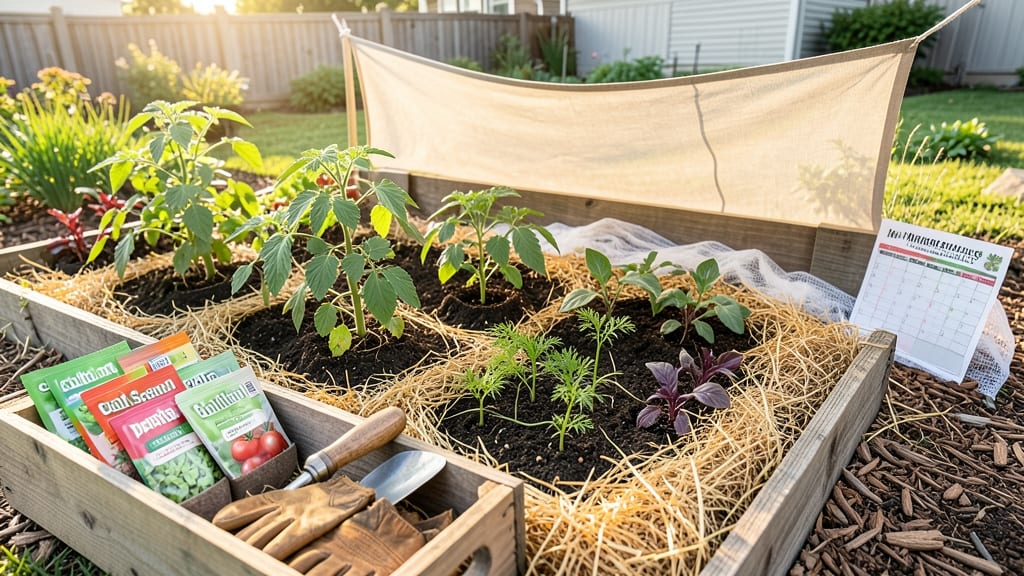
Planting your garden in Michigan at the right time ensures stronger roots and better yields—and missing the window can leave you with frost-nipped seedlings or stunted growth.
Michigan gardeners know timing is everything—plant too early and risk frost damage, too late and miss peak harvests. With USDA Zone 5B's unpredictable spring, knowing exactly when to plant your garden can mean the difference between a thriving plot and a disappointing season.
Most crops thrive when planted after the last frost date, which in Michigan typically falls around April 15. But soil temperature matters just as much as calendar dates—waiting for it to hit 50°F ensures roots establish properly before summer heat arrives.
Below, I break down the ideal planting windows for everything from leafy greens to tomatoes, plus how to adjust for Michigan’s variable climate—so you can grow more with less guesswork.
Michigan planting deadlines by USDA Zone 5B vegetable type
Michigan's USDA Zone 5B climate demands precision when planting vegetables. The average last frost date falls between April 15-30, but unpredictable swings can push it later. Warm-season crops like tomatoes and peppers need soil temperatures above 50°F, while cool-season spinach and peas can handle cooler soils.
Missing these windows means stunted growth or lost harvests.
To navigate Michigan's variability, I calculate planting deadlines based on historical frost data and soil temperature trends. For example, my tomato plants go in after May 1, but I always have row covers ready for late frosts.
Cool-season crops get a wider window—spinach can start as early as March under protection, while lettuce thrives until early July for fall harvests.
| Crop Type | Spring Planting Window | Fall Planting Window | Soil Temp Requirement | Key Notes |
|---|---|---|---|---|
| Cool-Season | March 15 - April 30 | August 1 - September 15 | 40-50°F | Spinach, peas, lettuce tolerate frost; succession plant every 2 weeks. |
| Warm-Season | May 1 - June 15 | N/A (too cold) | 55-65°F | Tomatoes, peppers, corn need warm soil; use black plastic mulch to warm beds. |
| Hardy Warm-Season | April 15 - May 10 | July 15 - August 10 | 50-55°F | Beans, cucumbers, zucchini handle cooler soils; plant early with row covers. |
| Root Vegetables | March 20 - May 1 | July 1 - August 15 | 45-50°F | Carrots, beets, radishes store well; sow every 3 weeks for continuous harvest. |
For cool-season crops, I start seeds indoors in late February to get a jump on the season. My peas and spinach often hit the garden by March 15, protected by frost cloth.
These plants can handle light frosts, but a hard freeze (28°F) will damage them. I monitor the National Weather Service for frost warnings and adjust my schedule accordingly.
Warm-season crops like tomatoes and peppers are trickier in Zone 5B. I wait until the soil reaches 55°F—usually late April or early May—and use a soil thermometer to confirm. If frost threatens after planting, I cover seedlings with row covers or move them to a greenhouse for 3-5 days.
Last year, my tomato plants survived a late frost because I had black plastic mulch warming the soil.
Michigan's fall planting window is just as critical. Cool-season crops planted in August often produce sweeter harvests in fall. For example, my kale and Swiss chard thrive when sown in early August—they actually taste better after a light frost!
I aim to finish planting by September 15 to ensure crops mature before the first hard frost in October.
Pro tip: Use succession planting for crops like lettuce and radishes. Sow seeds every 2 weeks from April through July to ensure a continuous harvest. This works especially well in Michigan's short growing season. I also keep a planting journal to track what worked—and what didn’t—each year.
Don’t forget about soil preparation. Amend your beds with compost
How to adjust planting dates for Michigan's unpredictable spring
Michigan's spring weather can be as fickle as a March wind—one day warm enough to tempt you into planting, the next bringing a surprise frost that wipes out tender seedlings.
The key to success lies in adjusting planting dates based on soil temperature, not just air temperature, and using smart tools to extend your growing season. I’ve learned that even a week’s delay can mean the difference between a bumper crop and a sad, wilted disappointment.
Most gardeners rely on last frost dates, but in Michigan’s Zone 5B, those dates are more like guidelines than rules. Instead, I focus on soil thermometers and season extenders to push boundaries safely.
For example, cool-season crops like spinach and peas can often handle light frosts, while warm-season plants like tomatoes need soil temperatures above 55°F (13°C) to thrive. Here’s how I fine-tune my planting schedule for Michigan’s quirks.
⚠️ callout warning
Michigan’s soil warms slower than air—planting based on air temperature can lead to failed seedlings. Always check soil temperature at 2-inch depth:
- Cool crops (spinach, peas): 40–50°F (4–10°C)
- Warm crops (tomatoes, peppers): 60–70°F (15–21°C)
- Root crops (carrots, beets): 50–60°F (10–16°C)
One of my go-to strategies is using row covers or cold frames to plant 2–3 weeks earlier than the traditional deadline. For instance, I often start my lettuce and radishes in early April under a lightweight row cover.
These tools trap heat and protect young plants from late frosts, giving me an earlier harvest. Just remember to remove covers once plants bolt or flower, as they need pollinators!
For warm-season crops, I’ve found that transplanting instead of direct sowing gives me flexibility. Start seedlings indoors under grow lights 6–8 weeks before the last frost, then move them outside once soil temperatures stabilize.
This method lets me plant tomatoes and peppers in early May, even if the air is still chilly. I also use black plastic mulch to warm the soil faster—it can raise temperatures by 5–10°F compared to bare earth.
If spring drags on (looking at you, May snow flurries), don’t despair—Michigan’s short growing season means fall planting is your secret weapon. Many crops, like kale, Swiss chard, and radishes, handle cooler temps and can be sown as late as mid-August for a fall harvest.
I’ve even had success with bush beans planted in early June, which mature just in time for summer eating before the heat sets in.
My final tip? Keep a gardening journal to track your adjustments. Note which years you planted early or late, what worked, and what didn’t. Over time, you’ll spot patterns in your microclimate—maybe your south-facing bed warms up faster than the north side, or your raised beds stay frost-free longer.
These insights let you fine-tune your schedule year after year, turning Michigan’s unpredictability into an advantage. Happy planting!