
Planting
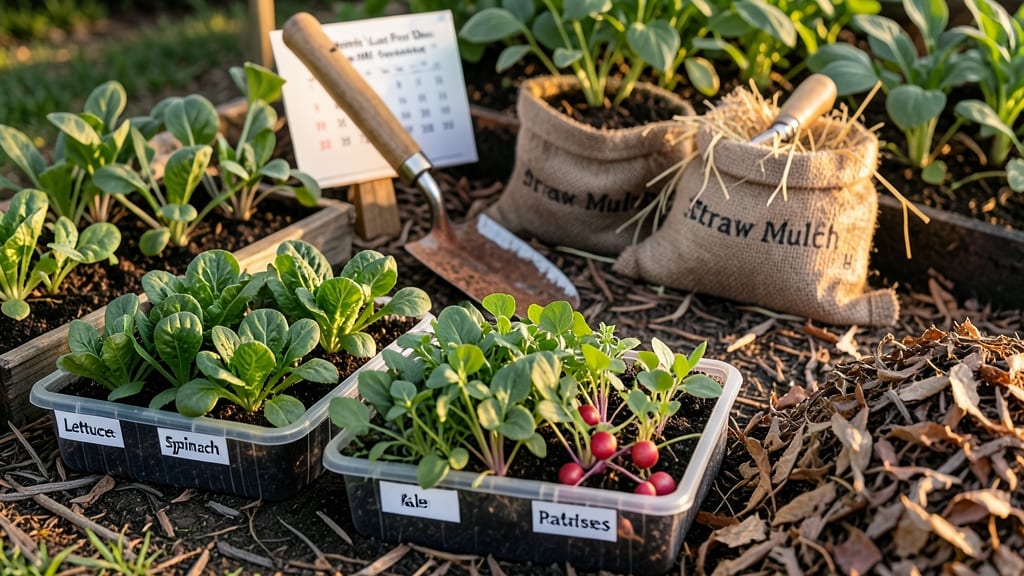
Plant your garden in Michigan between late April and mid-June for spring crops, and again in August for fall harvests — timing this right avoids frost damage and maximizes yields.
Michigan gardeners know timing is everything — plant too early and face frost damage, too late and miss peak harvests. Understanding your zone’s frost dates unlocks the secret to a thriving 🌱 General Michigan Garden, from crisp tomatoes to sweet corn.
With frost dates ranging from mid-April in southern Michigan to late May in the Upper Peninsula, Zone 5b-6b gardeners must adjust planting windows by region. Cool-season crops like spinach can handle early soil, while tomatoes need to wait until after the last frost.
Below, I break down frost-free periods, soil temperature tips, and how to stretch your season with row covers. You’ll learn exactly when to plant each crop — and how to avoid common mistakes that waste your hard work.
Michigan frost dates by hardiness zone: when to plant cool vs warm season crops
Michigan’s five USDA hardiness zones (4a-6b) create dramatic differences in frost timing—from the Upper Peninsula’s harsh Zone 4a to the southern Lower Peninsula’s Zone 6b. Knowing your zone’s last spring frost and first fall frost determines whether your tomatoes thrive or spinach bolts prematurely.
Let’s break down the critical dates by zone and which crops belong in each planting window.
For precise planning, use the USDA Interactive Plant Hardiness Map to verify your exact zone. Most Michigan gardeners fall into Zone 5b (northern Lower Peninsula) or Zone 6a (southern regions), but even small shifts of 10 miles can change frost dates by 1-2 weeks.
Always check local weather records—your neighbor’s garden might have a completely different schedule!
Cool-season crops like kale and peas tolerate light frosts, while warm-season crops such as peppers and cucumbers need soil temperatures above 60°F (15°C). Planting at the wrong time risks stunted growth or complete crop failure. Here’s your zone-by-zone planting calendar:
| Zone | Last Spring Frost | First Fall Frost | Cool-Season Planting | Warm-Season Planting |
|---|---|---|---|---|
| 4a (UP) | May 15–20 | Sep 20–25 | Apr 1–15 (cold-hardy) | Jun 1–15 (after soil warms) |
| 5a (North) | May 1–10 | Sep 25–Oct 1 | Apr 10–25 | May 15–30 |
| 5b (Central) | Apr 25–May 5 | Oct 1–10 | Apr 1–May 1 | May 1–15 |
| 6a (South) | Apr 15–20 | Oct 10–15 | Mar 15–Apr 15 | Apr 15–May 1 |
| 6b (Southeast) | Apr 10–15 | Oct 15–20 | Mar 1–Apr 10 | Apr 1–15 |
☀️ Warm-Season Crops: Tomatoes, Peppers, Cucumbers, Corn, Basil, Eggplant
In Zone 4a (Upper Peninsula), gardeners often rely on row covers to extend the season—planting cool-season crops as early as April 1 and warm-season crops only after June 1. Meanwhile, Zone 6b gardeners can start spinach in March and enjoy tomatoes until October.
The key is matching your planting window to your zone’s frost-free period, which ranges from 120 days in Zone 4a to 180 days in Zone 6b.
For warm-season crops, always wait until
How to extend your Michigan growing season: 5 proven techniques to start earlier and harvest later
Michigan’s short growing season can feel like a race against time, but with the right strategies, you can add 2-6 extra weeks to your harvest. Whether you’re growing tomatoes that need warmth or spinach that thrives in cool weather, these techniques help beat frost and maximize yields.
I’ve tested these methods in my own garden—some add just a little warmth, while others create full microclimates where plants grow like they’re in a warmer zone.
From simple row covers to more involved greenhouse setups, each technique offers unique benefits. The key is matching the method to your crops and climate zone.
For example, cold frames work wonders for early lettuce and radishes, while succession planting ensures a steady supply of bush beans all summer. Let’s dive into the five most effective ways to stretch your season like a pro.
5 Proven Techniques to Extend Your Michigan Growing Season
- Cold Frames: Add 2-4 weeks to spring/fall harvests. Use clear plastic or glass to trap heat. Ideal for greens and herbs.
- Row Covers: Extend season by 3-5 weeks. Lightweight fabric blocks frost while allowing sunlight. Perfect for broccoli and carrots.
- Succession Planting: Stagger plantings every 2 weeks for continuous harvests. Works for lettuce, radishes, and bush beans.
- Greenhouse Microclimates: Add 4-6 weeks to growing season. Create a controlled environment for tomatoes and peppers year-round.
- Soil Warming: Use black plastic or mulch to raise soil temps by 5-10°F. Speeds up germination for warm-season crops like squash.
Let’s start with cold frames, my go-to for early spring. These simple structures—just a box with a clear lid—can raise soil temperatures by 10-15°F. I’ve used them to plant spinach in early April, often 3 weeks before the last frost date.
The trick is to leave a small vent open during warm days to prevent overheating. For best results, place cold frames on south-facing slopes to maximize sunlight absorption.
If you’re growing heat-loving crops like peppers or eggplants, consider row covers. These lightweight fabrics (like Reemay) create a protective bubble that blocks frost while allowing sunlight and water to pass through.
I’ve seen broccoli thrive under row covers even when nighttime temps dip to 25°F. The best part? They’re reusable and affordable—perfect for gardeners on a budget.
For a no-fail strategy, try succession planting. Instead of planting all your lettuce at once, sow a new row every 2 weeks. This ensures you’ll have fresh greens from early summer through fall.
I’ve even used this method for radishes, which mature in just 30 days. It’s a game-changer for avoiding glut and waste, and it keeps your garden productive all season long.
Ready to take it to the next level? A greenhouse or even a small hoop house can add 4-6 weeks to your growing season. You don’t need a fancy setup—DIY options using PVC pipes and plastic sheeting work great.
Inside, I’ve grown tomatoes and cucumbers well into November. The key is proper ventilation to prevent humidity buildup, which can lead to fungal issues.
Finally, don’t underestimate the power of soil warming. Simply covering your soil with black plastic mulch or straw can raise temperatures by 5-10°F. This is especially helpful for warm-season crops like squash and beans, which need soil temps above 60°F to germinate.
I’ve seen germination rates double when using this method in my cooler Michigan zone.