
Planting
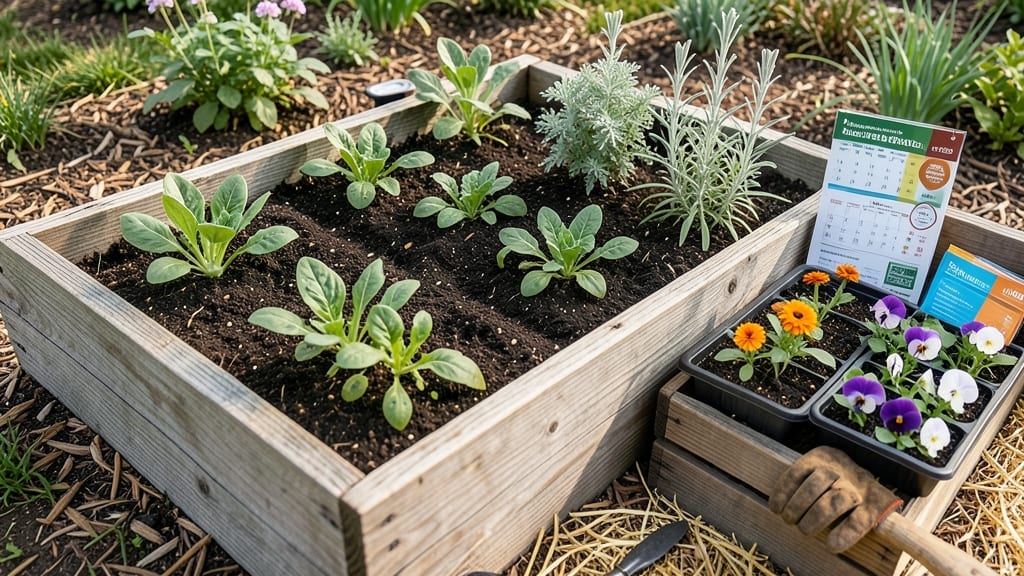
Planting your garden in Minnesota at the right time means the difference between a thriving harvest and a sad pile of frost-killed seedlings 🌱.
Minnesota’s unpredictable frost dates can turn a gardener’s excitement into frustration—plant too early, and your seedlings freeze; too late, and pests or weeds take over. But with the right timing, you can maximize your harvest.
From the Northland’s shorter season to the Metro’s longer growing window, knowing when to plant your General Minnesota Garden depends on your county’s last frost date. Spring planting typically starts around April 15, but fall crops can go in as late as September 15.
Below, I break down the best planting windows by region, how to adjust for microclimates, and the key crops that thrive in Minnesota’s USDA Zones 3b-5a—so you can finally get it right.
Minnesota frost dates by county: your planting timeline
Minnesota’s frost dates vary dramatically from the Northland to the Southland, making it critical to know your county’s averages. The last spring frost in Cook County (north) might be June 5, while Winona (south) sees its last frost by May 15.
These differences mean tomatoes can thrive in southern counties but need row covers in northern ones. Let’s break down planting windows by Minnesota’s three key climate zones.
For cool-season crops like spinach and peas, timing is about avoiding early spring frosts. In Anoka County (Metro), you can plant these by April 1, but in St. Louis County (Northland), wait until May 15.
Warm-season crops like peppers and cucumbers need to wait until after the last frost, which in Mower County (Southland) is May 1, but in Beltrami County (Northland), it’s June 1.
Below is a county-by-zone breakdown of average last spring frost and first fall frost dates, along with ideal planting windows for key crops. Use this as your guide to avoid frost damage and maximize your harvest potential.
🌱
| Climate Zone | County Examples | Last Spring Frost | First Fall Frost | Cool-Season Planting | Warm-Season Planting |
|---|---|---|---|---|---|
| Northland (USDA 3b-4a) | Cook, St. Louis, Lake | June 5 - June 15 | September 1 - September 10 | May 15 - June 1 | June 15 - July 1 (with row covers) |
| Metro (USDA 4b-5a) | Anoka, Hennepin, Ramsey | May 15 - May 25 | September 15 - October 1 | April 1 - April 15 | May 15 - June 1 |
| Southland (USDA 4a-5a) | Winona, Olmsted, Wabasha | May 1 - May 10 | October 1 - October 15 | March 15 - April 1 | April 20 - May 10 |
In the Northland, where counties like Cook and St. Louis experience late frosts, focus on cold-hardy varieties like kale and cabbage. These can handle early spring planting, while tomatoes and peppers need to wait until mid-June or use season extenders.
For example, in Cook County, you might start spinach indoors by April 1 and transplant after May 15.
The Metro area, including Anoka and Hennepin Counties, offers a longer growing season with last frosts around May 20.
This zone is ideal for direct-sowing warm crops like beans and squash by May 15. Transplanting tomatoes can begin as early as May 1 if you use black plastic mulch to warm the soil.
Southern Minnesota’s Southland, including Winona and Olmsted Counties, enjoys the earliest last frost dates (May 5). Here, you can plant warm-season crops like peppers and eggplants by April 20, giving them ample time to mature before the first fall frost around October 10.
This zone is perfect for succession planting of
How to adjust planting dates for Minnesota’s unpredictable weather
Minnesota’s USDA Zones 3-5 mean our growing season is short but packed with potential. The key to success? Flexibility. While average last frost dates range from April 15 in southern counties to May 15 in the north, Mother Nature rarely follows the script.
I’ve learned to use row covers, cold-hardy varieties, and soil warming tricks to stretch seasons—here’s how.
Urban gardens in Minneapolis-St. Paul often experience microclimates that are 2-3 weeks warmer than rural areas nearby. Concrete absorbs heat during the day and releases it at night, giving city gardens a slight edge.
Rural areas, however, benefit from natural windbreaks like fences or hedgerows that protect tender plants. Always check your local Almanac frost dates but be ready to adjust.
- 🌱 Start indoors 6-8 weeks before last frost for warm-season crops like tomatoes and peppers. Use grow lights if natural light is limited.
- 🌡️ Use black plastic mulch to warm soil 5-10°F faster than bare ground. Lay it down 2-3 weeks before planting warm-season crops.
- 🛡️ Deploy row covers (floating fabric) to extend spring planting by 3-4 weeks. Remove during pollination for veggies like cucumbers and squash.
- ⏰ Plant cold-hardy crops like kale, spinach, and radishes as soon as soil is workable (40°F). They tolerate light frosts!
- 🌿 Choose early-maturing varieties (look for "Early Girl" or "Quick Pick" labels). In Zone 4, aim for 60-day harvests or faster.
- 📅 Mark your calendar for August 1—this is when I start fall planting of cool-season crops. Use straw mulch to insulate soil.
- 🌡️ Monitor soil temperature with a soil thermometer. Most seeds need 50°F+ to germinate; warm-season crops need 60°F+.
For urban gardeners, container gardening is a game-changer. Pots warm up faster than ground soil, letting you plant warm-season crops 1-2 weeks earlier.
I’ve had success with peppers and eggplants in containers on my balcony—just move them to the ground once soil warms. Rural gardeners, on the other hand, can leverage larger plots for succession planting, staggering crops like lettuce every 2 weeks for continuous harvests.
Don’t overlook perennial flowers and asparagus as season extenders. Their deep roots access moisture and nutrients early in the season, giving your garden a head start. I plant daylilies and coneflowers in early spring—they thrive in Zone 3 and bloom for months, providing both beauty and pollinator support.
Before planting, prepare your soil and seeds with this quick checklist: amend soil with compost, test pH (aim for 6.0-7.0 for most veggies), and harden off seedlings for 7-10 days before transplanting.
In my experience, well-prepped soil makes up for late starts—plants establish faster and withstand unexpected frosts better.
Remember: Minnesota’s first frost can arrive as early as September 15 in the north or linger until October 15 in the south. Use fall row covers to protect broccoli, carrots, and kale until mid-October.
And always keep a planting journal—note what works (and what doesn’t) so you can refine your strategy next year. 🌱